
The first thing that happened to you after you were born was not a breath, or a cry, or the first time someone held you. It was a colonisation. Within minutes of birth, microbes from your mother and from the room around you began to settle in — the first colonists of your gut microbiome, an ecosystem that would stay with you for the rest of your life. You did not notice. Nobody in the room noticed. Yet that quiet arrival was the start of one of the most consequential relationships in human biology.
The gut microbiome is the name for that ecosystem: the trillions of bacteria, archaea, fungi and viruses that live in your intestines, mostly in the colon. They are not passengers. They digest food you cannot digest, make vitamins you cannot make, train the immune system that protects you, and send chemical signals up the longest nerve in your body toward your brain. In return, you feed them, warm them, and carry them everywhere you go. It is a partnership so old that no human has ever lived without it.
I first grasped how personal this partnership is the week I tried to count the different plant foods I ate. The advice sounded simple — eat a wide variety of plants — until I actually kept a list. Monday was fine: oats, a banana, spinach, lentils, an apple, walnuts. By Thursday the list was stalling. The same onion kept appearing. The same rice. The same two vegetables, rotated with a guilty conscience. Counting forced me to see something I had never noticed: my diet was far narrower than I believed, and the microbes depending on it were eating a much smaller menu than they were built for.
That small experiment is a useful way into this subject, because the gut microbiome rewards curiosity and punishes certainty in equal measure. It is one of the most exciting fields in medicine, and also one of the most overhyped. Headlines promise that your gut bacteria control your weight, your mood, your immune system and your lifespan. Some of those claims rest on solid evidence. Others rest on mouse studies, small trials, and wishful thinking. This article separates the two. It explains what the gut microbiome is, how it is built, what its microbes actually do, how food and antibiotics reshape it, what the gut-brain axis really means, and where the evidence for probiotics and transplants genuinely stands — with the numbers checked against the latest research, and the limits stated plainly wherever they exist.
1. What Is the Gut Microbiome?
1.1 A definition that actually helps
The gut microbiome is the community of microorganisms living in the human gastrointestinal tract, together with their genes and the chemicals they produce. The word itself is worth unpacking, because two similar terms get mixed up constantly. The microbiota is the collection of organisms — the microbes themselves. The microbiome is the whole package: the organisms, their genes, and the environment they create together. In practice, most writers use "gut microbiome" for both, and this article follows that habit while keeping the distinction in mind.
The community is dominated by bacteria, but bacteria are not the only residents. Archaea — single-celled organisms that look like bacteria but belong to a separate branch of life — live there too. So do fungi, mostly yeasts, and a vast population of viruses, most of which infect bacteria rather than human cells. The gut microbiome contains more than a thousand species of bacteria, fungi, viruses and other microbes, and that number is a useful floor rather than a ceiling: the count keeps rising as sequencing improves. The wider world of bacteria, viruses and the other microbes that share our lives is covered in Sciory's Microbiology Explained: Bacteria, Viruses, and How Microbes Shape Life.
The microbiologist Joshua Lederberg, who helped popularise the modern use of the word, defined the microbiome in a way that still captures it best:
The ecological community of commensal, symbiotic, and pathogenic microorganisms that literally share our body space and have been all but ignored as determinants of health and disease. — Joshua Lederberg and Alexa T. McCray, "Ome Sweet 'Omics: A Genealogical Treasury of Words", The Scientist, 2001
Three words in that sentence do most of the work. Commensal microbes live alongside us without obviously helping or harming. Symbiotic ones help us and are helped in return. Pathogenic ones can cause disease — and yet they live in healthy people too, held in check by their neighbours. A healthy gut microbiome is not a garden of only friendly species. It is a crowded, competitive city where the balance matters more than any single resident.
1.2 An ecosystem, not an organ
The most useful way to think about the gut microbiome is as an ecosystem — a rainforest inside you. That analogy is not poetic decoration; it captures how the system behaves. A rainforest has producers, consumers, scavengers and recyclers, all feeding on each other's waste. So does your colon. One group of bacteria breaks down a fibre molecule into fragments; a second group ferments those fragments into acids; a third group consumes the acids and releases gases; and the cells lining your gut absorb the useful products of the whole chain. Remove one group and the chain stutters. Add a new food and some populations bloom while others shrink.
The ecosystem framing also explains why the gut microbiome is so hard to study. An ecologist cannot understand a rainforest by counting trees alone; the relationships matter more than the census. The same is true here. Two people can carry quite different collections of species and still have microbiomes that do the same jobs, because different microbes can perform the same functions. The Human Microbiome Project, the large NIH survey of healthy volunteers, found exactly this: the species varied wildly from person to person, while the functional toolkit — the genes for breaking down fibre, making vitamins, and building cell walls — stayed remarkably similar. Function, not membership, is what the body cares about.
There is a second reason the ecosystem picture helps. Ecosystems have resilience, and they have tipping points. A forest can absorb a storm and regrow. A forest that is logged every year becomes something else. Your gut microbiome behaves the same way: it bends under a short illness or a course of antibiotics, and usually bends back. Repeated blows can push it into a different state that is harder to reverse. The question is never simply "is my microbiome good or bad?" It is "how diverse, how stable, and how well does it do its jobs?"
1.3 The "second genome" idea
Your human genome carries roughly 22,000 protein-coding genes. Your gut microbiome carries something like 8 million — around 360 times as many. That is the origin of the phrase "second genome", and it is worth taking seriously, but not literally. Those microbial genes are not yours. They belong to organisms with their own interests, and they can be gained, lost and swapped between species in ways your own genes cannot. What the phrase captures is a real division of labour: your genome never learned to digest most plant fibre, to make certain vitamins, or to break down many of the complex carbohydrates in food. The microbes did, and you outsourced those jobs to them long before humans existed.
The outsourcing runs deep. Without gut bacteria, a human could not extract energy from the fibre in vegetables, grains and beans. The bacteria ferment that fibre and release short-chain fatty acids, which your colon cells then burn as fuel. They also synthesise vitamin K and several B vitamins, modify bile acids that help you absorb fats, and break down plant compounds your own enzymes cannot touch. In return, you provide a warm, dark, constantly fed habitat. It is a trade that has been running for millions of years, and it is one of the reasons the gut microbiome deserves to be treated as part of human biology rather than as an invader to be managed.
None of this makes the gut microbiome a second brain, a second immune system, or a secret controller of your personality — all phrases that appear regularly in headlines. It is a community of microbes doing chemistry. The chemistry matters enormously, and this article will follow it carefully, but the microbes are not pulling strings. They are making molecules, and your body is listening.
2. The Gut Microbiome by the Numbers
2.1 How many microbes? The fall of the 10-to-1 myth
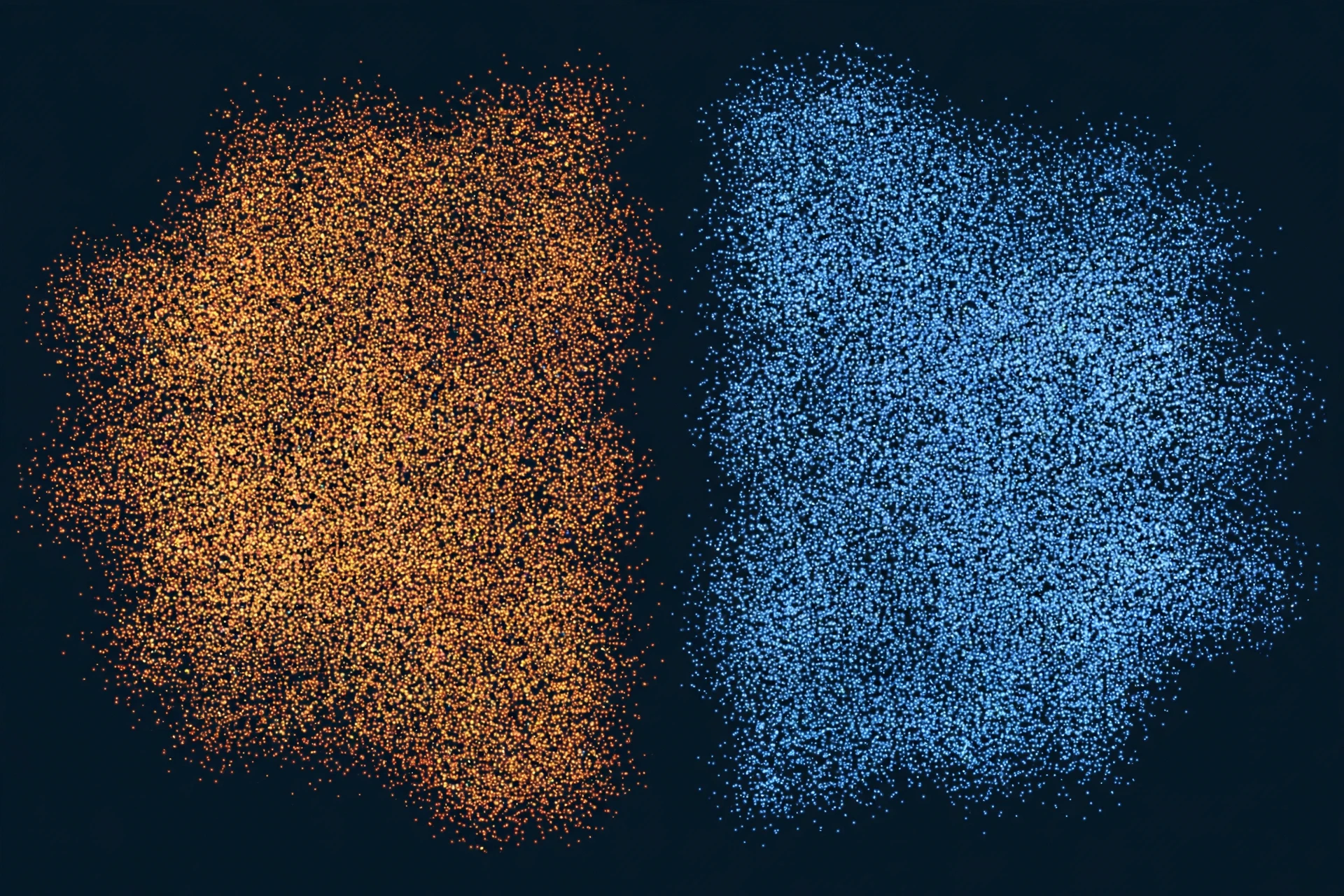
For decades, the standard claim was that bacteria outnumbered human cells in the body by ten to one. It appeared in textbooks, lectures and popular articles, and it was wrong. The correction came in 2016, when Ron Sender, Shai Fuchs and Ron Milo published a careful recount in the journal PLoS Biology. Their estimate for a 70-kilogram reference man: about 38 trillion bacteria against about 30 trillion human cells — a ratio of roughly 1.3 to 1, effectively one to one, with an uncertainty of about 25 percent either way. The total mass of those bacteria came to only about 0.2 kilograms.
I remember reading that paper and feeling the ground shift under a fact I had repeated without thinking. The 10-to-1 figure had felt like one of those settled numbers, the kind you quote without checking. Sender and his colleagues showed it rested on a rough guess made in the 1970s, repeated so often that repetition had become evidence. The correction matters for more than accuracy. A ratio of one to one tells a different story than ten to one: the microbes are not an overwhelming invading army. They are a population roughly the size of your own cells, concentrated in one place.
That concentration is the key detail. Almost all of those 38 trillion bacteria live in the colon, the last stretch of the gut, where food residue lingers longest and oxygen is nearly absent. So when this article says the gut holds trillions of microbes, it means the body holds about 38 trillion bacteria in total, and the overwhelming majority of them are in the gut. The small intestine, by comparison, is sparsely populated — a few thousand to a few million microbes per millilitre in its upper reaches, rising toward a hundred million per millilitre in the ileum, against the colon's tens of billions per gram. The stomach, with its acid, holds fewer still. The gut microbiome is, above all, a colonic community.
2.2 How many species?
Counting cells is one thing; counting species is another, and the answer depends on how you count. The colon hosts somewhere between 300 and 1,000 bacterial species in a typical person, with most estimates settling near 500. That sounds like a lot until you learn the distribution: about 99 percent of the bacteria belong to only 30 to 40 species. The rest are a long tail of rare species, each present in small numbers, many of them different from one person to the next.
One species deserves a name, because it appears in almost every healthy adult gut and it does a job that matters. Faecalibacterium prausnitzii is usually the single most common bacterium in a healthy colon, and it is one of the main producers of butyrate, the short-chain fatty acid that feeds the cells lining the gut. Its abundance falls in several gut diseases, which is why it shows up so often in research papers — not because it is a magic species, but because it is a reliable marker of a fibre-fed, butyrate-producing community. When Faecalibacterium is plentiful, the fermentation chain is usually working well.
Across all of humanity, the species count is far larger. The Human Microbiome Project identified more than 10,000 microbial species living on and in the human body. Each person carries a subset — their own particular mix, shaped by birth, diet, illness, medicines and age. That is why the gut microbiome is often described as being as unique as a fingerprint. The comparison is imperfect — fingerprints never change, while microbiomes shift with every meal — but the point stands: there is no single "normal" gut microbiome, only a range of healthy ones.
2.3 The big phyla and a renaming you should know about
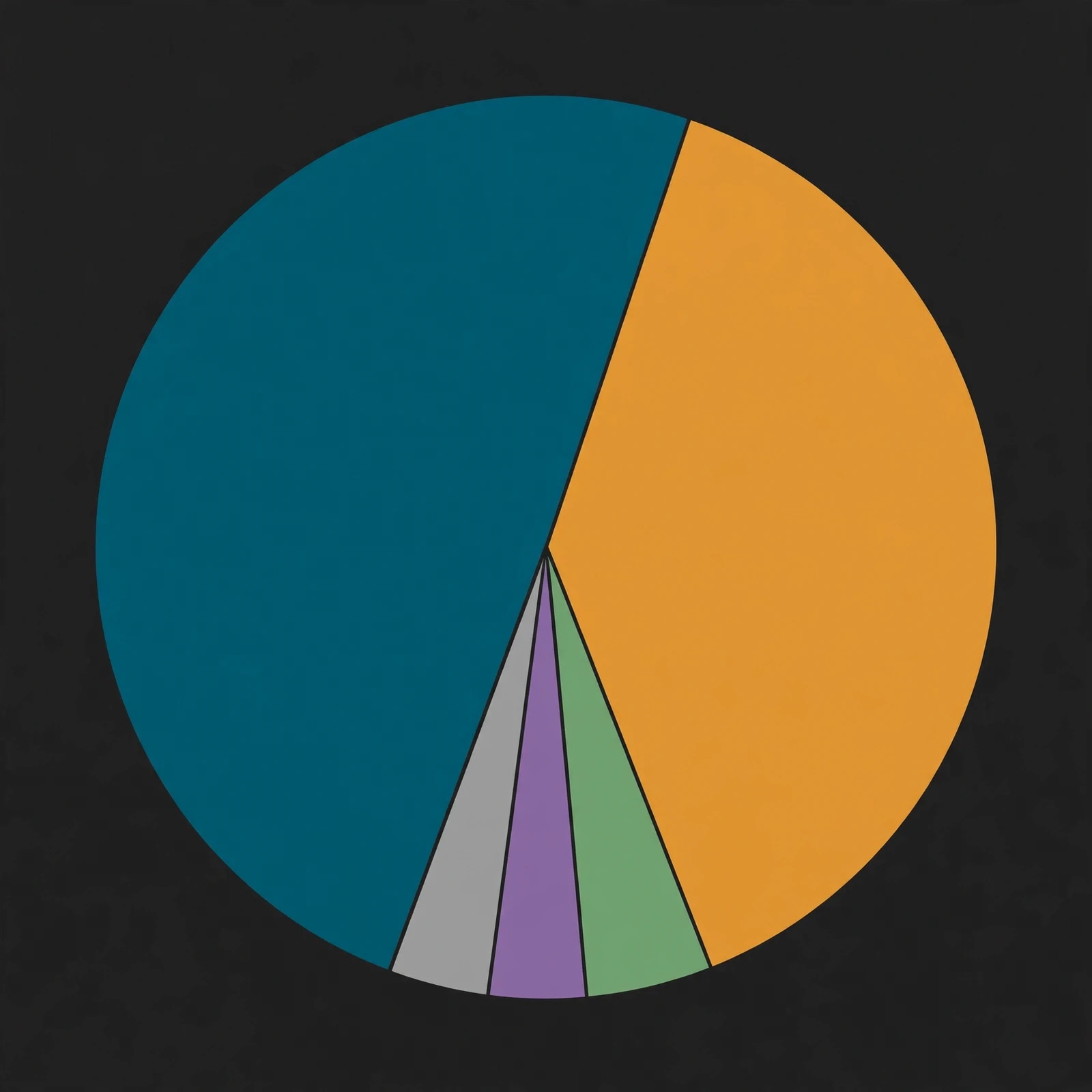
Zoom out from species to phyla, the broadest groupings, and the picture simplifies. Two phyla dominate the human gut, together making up about 90 percent of its bacteria. The first is the group long called Firmicutes; the second is the group long called Bacteroidetes. If you have read anything about the microbiome before, those two names will look familiar. Here is the complication: both names changed.
In 2021, the international body that governs the naming of prokaryotes formally accepted phylum names into its code, and a paper by Oren and Garrity validly published 42 new phylum names. Firmicutes became Bacillota. Bacteroidetes became Bacteroidota. Proteobacteria became Pseudomonadota, and Actinobacteria became Actinomycetota. The old names, the nomenclature guide points out, were never validly published in the first place.
The catch is that almost nobody has switched. The renaming remains controversial among microbiologists, and most researchers and most of the literature still use the old names. This article will do what most current writing does: give both forms on first use — Bacillota (formerly Firmicutes) and Bacteroidota (formerly Bacteroidetes) — and then use the familiar names, since that is what a reader will meet everywhere else. What matters is not the label but the balance. A gut dominated by these two phyla, with smaller numbers of Proteobacteria, Actinobacteria and others, is the usual pattern in a healthy adult. When Proteobacteria expand sharply, it is often a sign that something has disturbed the community, because many members of that phylum thrive in inflamed or disrupted guts.
2.4 Why no two microbiomes are alike
The Human Microbiome Project, launched by the US National Institutes of Health and published in 2012, set out to map the normal microbes of the human body. It recruited 242 healthy American volunteers, sampled 15 body sites in men and 18 in women, collected more than 5,000 samples and sequenced 3.5 terabases of DNA. The results, published in Nature and the PLoS journals, rewrote the textbook picture of what "normal" means.
The headline finding was variety. One person's gut could be dominated by Bacteroides while another's had barely any. The species list differed dramatically from volunteer to volunteer, yet the functional profile — the genes for digesting fibre, making vitamins, building bacterial cell walls — was strikingly similar. Different microbes, same jobs. The project also found that nearly everyone routinely carries organisms capable of causing disease, quietly, without symptoms. A healthy microbiome is not a sterile one; it is a negotiated peace.
That variety is the single most important fact for anyone reading microbiome advice. There is no universal "ideal" microbiome to aim for, no single profile that marks a person as healthy. A microbiome test that compares your species list to a reference population can tell you how unusual your mix is. It cannot tell you whether your mix is working well for you, because the reference range itself is enormous. The rest of this article is built around that insight: the questions that matter are about function, diversity and stability — not about matching a stranger's species list.
3. How Your Gut Microbiome Is Built
3.1 The first colonists: birth
Before birth, the gut is nearly empty of microbes. Within minutes of delivery, the colonisation begins, and the circumstances of that first day leave a mark that can still be measured months later. A baby born vaginally is first seeded with microbes from the mother's birth canal and gut — early colonisers dominated by Bifidobacterium and Bacteroides. A baby born by caesarean section meets a different first crowd: microbes from the mother's skin and the hospital environment, with lower diversity, a near-absence of Bacteroides, and lower levels of Bifidobacterium. The community develops more slowly in the first months.
Those differences are real, and they are also easy to overstate. The gap is strongest in the first months of life and largely fades once solid foods are introduced, as diet takes over as the main force shaping the community. Longer breastfeeding — six months or more — helps close it further: breast milk contains human milk oligosaccharides, complex sugars that a baby cannot digest but Bifidobacterium can, along with secretory IgA antibodies that help steer which microbes settle. In caesarean-born infants, longer breastfeeding partly restores beneficial groups such as Bacteroides fragilis and Lactobacillus.
There is a temptation to turn this into a verdict on how a baby was born, and it should be resisted. A caesarean section is often medically necessary, and the gut microbiome differences it produces are a starting point, not a destiny. The community is at its most plastic in early life, and the forces that shape it afterward — milk, first foods, illness, antibiotics, diet — matter far more over a lifetime than the first day. The science here is a story about beginnings, not blame.
3.2 Breast milk, first foods, and the toddler years
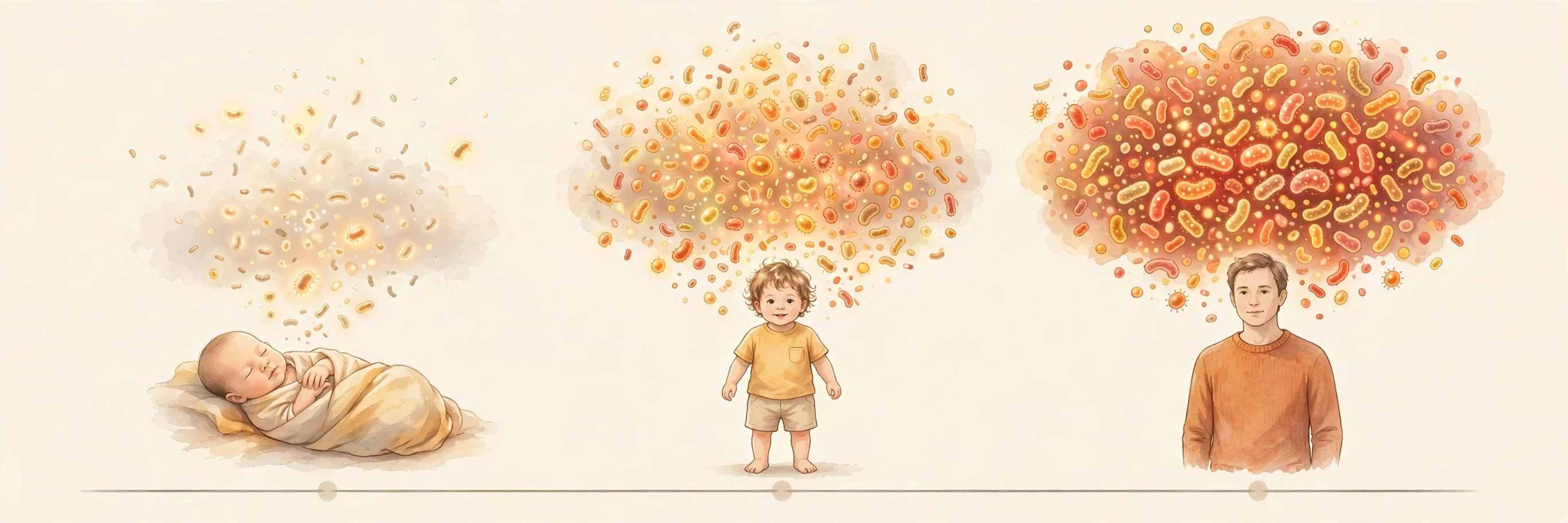
The first two to three years of life are the great construction project of the gut microbiome. Breast milk is the first food, and it is also a selective fertiliser: its oligosaccharides feed Bifidobacterium species that are specially equipped to digest them, and those bacteria in turn produce acids that make the gut less welcoming to many pathogens. Formula-fed infants develop a different early community, usually with lower Bifidobacterium and higher diversity earlier — a pattern that is neither simply better nor simply worse, but different, and one of the reasons researchers study infant feeding so carefully.
Then comes the great disruption: solid food. When a baby starts eating vegetables, grains and fruit, the gut microbiome changes fast. Fibre arrives in quantity for the first time, and the fibre-fermenting bacteria bloom. Diversity climbs steeply. By around age two to three, the community has settled into something recognisably adult in structure, though it keeps maturing through childhood. This is why the first thousand days attract so much research attention: the community is being assembled, and the assembly shapes the immune system at the same time. The gut bacteria of early childhood are not just digesting food; they are teaching immune cells which things to tolerate and which to attack, a lesson that echoes for decades.
That teaching happens through constant contact. Immune cells sample the contents of the gut continuously, and in early life they learn to treat the resident microbes as part of the self. Get the lesson wrong — too little microbial exposure, or exposure at the wrong time — and the immune system can emerge trigger-happy, a pattern that some researchers link to the rise of allergies and autoimmune conditions in industrialised countries. The evidence for that link is suggestive rather than settled, and it is discussed honestly in section 7. What is settled is the timing: the window in which the immune system and the gut microbiome calibrate each other is widest in the first years of life.
3.3 Settling into adulthood — and shifting with age
By adulthood, the gut microbiome has become relatively stable. "Relatively" is doing real work in that sentence. The community of a healthy adult is recognisably the same from month to month — the same dominant species, the same overall structure — but it is not frozen. A new diet shifts it within a day. A course of antibiotics can knock it sideways for months. Travel, illness, a stressful period, a change in sleep: all leave traces. Stability here means a tendency to return to a familiar state after a disturbance, not an immunity to change. Researchers describe it with the image of a rubber band: stretch it, and it usually snaps back. Stretch it repeatedly, or far enough, and it may settle into a new shape.
Age brings its own slow shift. In later life, diversity often declines, Bifidobacterium levels fall, and the community becomes more variable from person to person. Some of that change is driven by diet — older adults often eat a narrower range of foods — and some by medicines, reduced mobility, and the slow remodelling of the immune system. The most interesting recent finding on ageing and the gut microbiome comes from mice, and it belongs to the gut-brain story in section 5: in 2026, researchers at Stanford and their colleagues showed that the aged mouse microbiome can impair the vagus nerve's signalling to the brain, and that restoring that signalling restores memory. It is animal work, and the leap to humans is unproven, but it is a vivid reminder that the gut microbiome keeps changing across the whole lifespan, and that those changes are not just background noise.
4. What Gut Bacteria Actually Do
4.1 Digestion you cannot do alone
The human genome carries no instructions for breaking down most plant fibre. We make enzymes for starch, sugar and protein, but the long, tangled carbohydrate chains in vegetables, beans and whole grains pass through the stomach and small intestine largely untouched. They arrive in the colon intact — and that is where the microbes earn their keep. Colon bacteria carry thousands of enzymes for cutting those chains apart, enzymes no human cell makes. Without them, fibre would be inert bulk. With them, it becomes food.
This division of labour is so thorough that it is worth stating plainly: a large part of what you eat is not food for you at all. It is food for your microbes, and you live off the leftovers of their digestion. Roughly 10 percent of your daily energy comes from this arrangement — not from food you digested, but from molecules your bacteria made from food you could not use. The journey food takes before it reaches the colon — chewing, stomach acid, and the work of the small intestine — is covered in Sciory's How the Digestive System Works Explained. It is a strange way to run a body, and it is the way every human body runs.
The process is called fermentation, and it is the central chemical event of the gut microbiome. Bacteria break fibre down without oxygen, in a chain of hand-offs: one species cuts a fibre molecule into fragments, another ferments the fragments, and a third consumes the by-products. The useful outputs of that chain are the short-chain fatty acids — acetate, propionate and butyrate — and the gases hydrogen, carbon dioxide and methane. The gases are mostly an inconvenience. The acids are the point.
4.2 Short-chain fatty acids: butyrate, propionate, acetate
Three acids dominate the fermentation products of the colon: acetate, propionate and butyrate. Together they make up at least 95 percent of the short-chain fatty acids in the colon, in a rough molar ratio of about 60 parts acetate to 20 parts propionate to 20 parts butyrate. About 95 percent of them are absorbed through the colon wall; only about 5 percent leave in stool. Their total production runs to roughly 400 to 600 millimoles a day.
Each acid has its own job. Butyrate is the most important locally: it is the preferred fuel of the colonocytes, the cells lining the colon, which draw 60 to 70 percent of their energy from burning short-chain fatty acids. A colon starved of butyrate is a colon whose lining cannot maintain itself properly, which is one reason a low-fibre diet is hard on the gut wall. Propionate travels to the liver, where it helps regulate glucose production and fat metabolism. Acetate is the most abundant and the most widely used — it circulates through the body, feeds other tissues, and is also used by other bacteria as a raw material for making butyrate.
The table below summarises the three acids and their main roles. The point to carry away is not the chemistry but the logic: your colon cells are fed by your bacteria. The lining of your gut, the barrier between you and a trillion microbes, runs on fuel that only microbes can make.
Short-chain fatty acid | Share of colonic SCFAs | Main producers | Main roles |
|---|---|---|---|
Acetate | ~60% | Many gut bacteria, including Bifidobacterium and Bacteroides | Circulates through the body as an energy source; raw material for butyrate production by other bacteria |
Propionate | ~20% | Bacteroidetes and some Firmicutes | Travels to the liver; helps regulate glucose production and fat metabolism |
Butyrate | ~20% | Faecalibacterium prausnitzii and other fibre-fermenting Firmicutes | Preferred fuel of colon cells (60–70% of their energy); helps maintain the gut barrier and calms inflammation |
I first understood how central butyrate is not from a paper but from a clinical observation that kept appearing in the literature: when the colon is starved of fermentable fibre, the lining thins and the barrier weakens, and when fibre returns, the barrier recovers. The mechanism is mundane — cells need fuel, and butyrate is their fuel — but the implication is not. The strength of the wall between you and your microbes depends on what you feed the microbes on the other side of it.
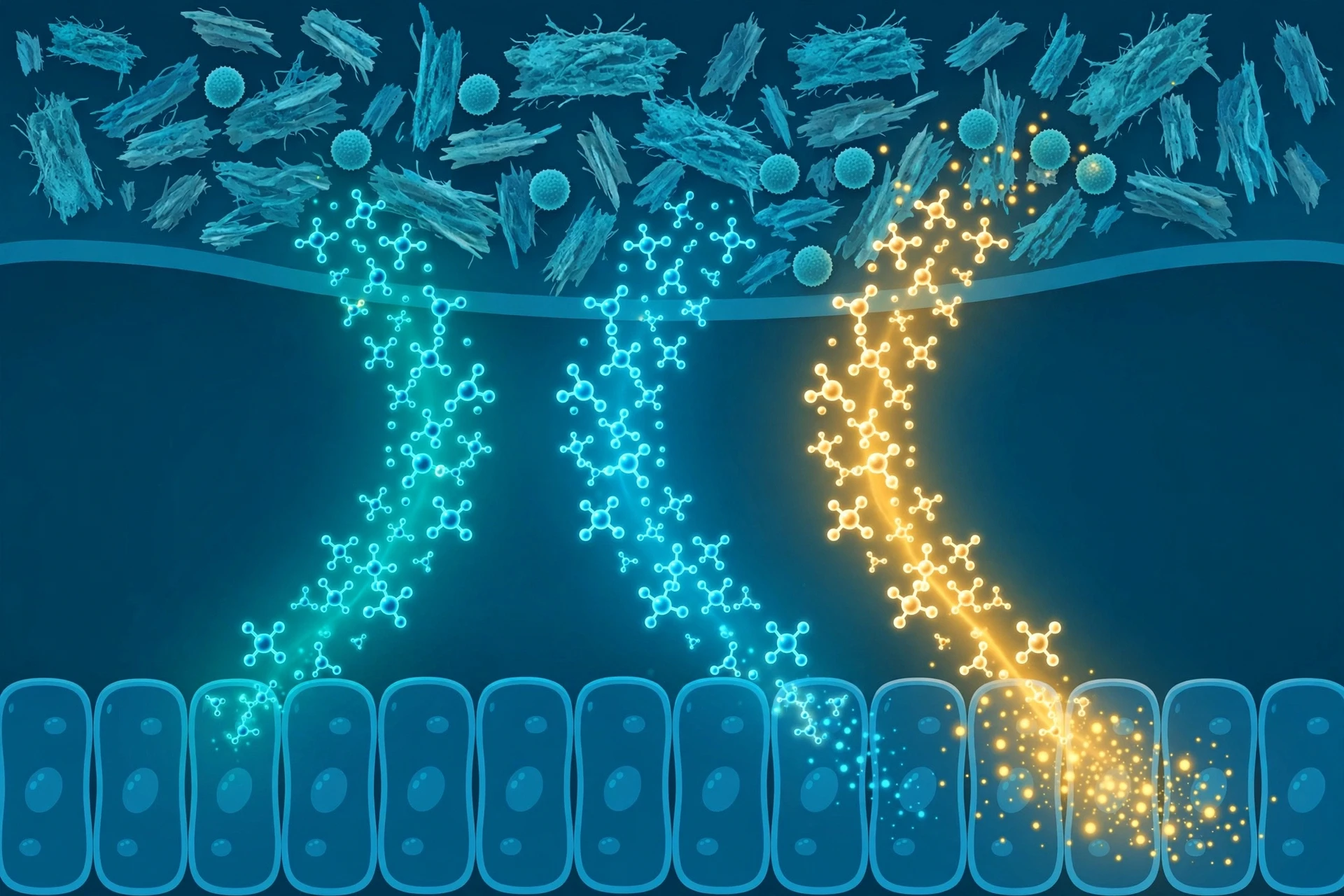
4.3 Vitamins, bile acids, and chemical manufacturing
Fermentation is the headline, but the gut microbiome is also a small chemical factory. Its bacteria synthesise vitamin K, needed for blood clotting, and several B vitamins, including folate and biotin. The amounts are modest compared with what food provides, and the contribution to your vitamin status is debated — the bacteria make these vitamins in the colon, where absorption is less efficient than in the small intestine — but the production is real, and in people whose diets are poor it may matter more than in people whose diets are rich.
The microbes also rework your bile acids. The liver makes bile acids to help digest fats, and releases them into the small intestine. Most are reabsorbed, but a fraction reaches the colon, where bacteria transform them into secondary bile acids. Those transformed molecules are not just digestive leftovers; they act as signals, binding to receptors throughout the body that influence metabolism, inflammation and even the behaviour of the gut itself. It is a neat example of the gut microbiome's general style: take a human molecule, modify it slightly, and turn it into a message.
The same style appears with plant compounds. Many of the polyphenols in tea, berries, cocoa and vegetables are too large or too complex for human enzymes to handle. Gut bacteria break them into smaller molecules that can be absorbed — and some of those smaller molecules are more active in the body than the originals. When a study reports that a plant food has a health effect, the microbes are often doing part of the work invisibly, converting what you ate into what your body actually meets.
4.4 Training the immune system
The gut holds the largest collection of immune cells in the body — by some estimates, up to 80 percent of the body's immune cells live in or around the intestines. That makes sense once you think about the geography. The gut wall is the largest surface where the inside of the body meets the outside world, and it is covered in microbes. The immune system has to make a decision, thousands of times a day, about each one: tolerate or attack. The gut microbiome is the curriculum it learns from.
The training starts at birth and continues for life. In the first years, exposure to a diverse microbial community teaches immune cells to distinguish friend from foe. Germ-free mice — animals raised without any microbes — show how much depends on that lesson: their immune systems develop abnormally, with underdeveloped lymphoid tissue and muted responses, and they remain unusually vulnerable to infection. When microbes are introduced, much of the immune system develops normally, though the timing matters: some features can only be set right if colonisation happens early.
In adults, the gut microbiome keeps the immune system calibrated. Short-chain fatty acids, especially butyrate, encourage the development of regulatory T cells — the immune cells whose job is to stand down, to prevent the system from attacking harmless things. Other microbial signals strengthen the gut barrier and keep the immune cells stationed there in a state of alert readiness rather than active inflammation. The system is a negotiation, not a war: the microbes that do well are usually the ones that keep their host's immune system calm, and a calm immune system is one that does not evict them. The same learning process — exposure, recognition, memory — is what vaccines exploit, as explained in Sciory's How Vaccines Work: Training Your Immune System Without the Disease.
4.5 Guarding the gut wall
The gut wall is a single layer of cells, one cell thick, standing between you and trillions of microbes. That sounds fragile, and in a sense it is — but it is also one of the most actively defended barriers in the body, and the gut microbiome is part of its defence. The cells of the wall are sealed to each other by tight junctions, protein complexes that control what passes between them. They are coated in a layer of mucus, secreted by goblet cells, that keeps most bacteria at a distance from the wall itself. And they are fed, as section 4.2 described, by butyrate from the bacteria on the other side.
The microbes help maintain all three layers. Fermentation products strengthen the tight junctions. Certain bacteria stimulate mucus production — the mucus layer is thicker and healthier when the gut microbiome is diverse and well fed. And the bacteria themselves provide a form of defence called colonisation resistance: a crowded, well-established community leaves little room or food for an invader. A pathogen arriving in a healthy gut finds every niche occupied and every nutrient contested. That is why a disrupted microbiome is so vulnerable to Clostridioides difficile, the bacterium behind severe antibiotic-associated diarrhoea: when antibiotics clear the residents, the invader finds empty rooms.
The phrase "leaky gut" appears constantly in popular writing about this barrier, usually as an explanation for everything from fatigue to skin problems. The science is narrower. Increased intestinal permeability is real and measurable, and it is associated with several gut diseases. What is not established is the popular claim that a leaky gut causes a long list of unrelated conditions, or that it can be diagnosed and fixed with a supplement. The barrier matters, and the gut microbiome helps maintain it — but the barrier is not a master switch for all of health.
5. The Gut-Brain Axis: Microbes and the Mind
5.1 The vagus nerve and the two-way conversation
The gut and the brain are connected by the vagus nerve, the longest cranial nerve in the body, running from the brainstem down to the abdomen. Most of its fibres carry signals upward, from gut to brain — about 80 to 90 percent of the vagus nerve's fibres as a whole, by the usual estimates. The gut is also home to the enteric nervous system, a network of roughly 100 million neurons (some estimates run higher) embedded in the gut wall, sometimes called the "second brain" because it can run many digestive functions on its own. Together, the vagus nerve, the enteric nervous system, hormones, immune signals and microbial chemicals form what researchers call the gut-brain axis: a two-way conversation between the intestines and the central nervous system.
The conversation is not metaphorical. In 2025, researchers published direct, activity-based evidence that gut microbes regulate vagal signalling. In germ-free mice — animals raised without any microbes — the vagus nerve carried a significantly weaker signal than in colonised mice. When the germ-free mice were colonised with a normal microbiome, vagal tone recovered. The microbial chemicals doing the signalling included short-chain fatty acids, bile acids, and a molecule called 3-indoxyl sulfate, acting through receptors with names like FFAR2, TGR5 and TRPA1 on the nerve endings. It is a precise, mechanistic finding, and it is worth remembering its limits: it is in mice, and the step from a mouse vagus nerve to a human mood is a long one.
That caution applies to the whole axis. The gut-brain axis is real anatomy and real chemistry. What it does to human feelings, thoughts and behaviour is a separate question, and the honest answer is that we know much less than the headlines suggest. The rest of this section follows the evidence where it leads, and stops where it runs out.
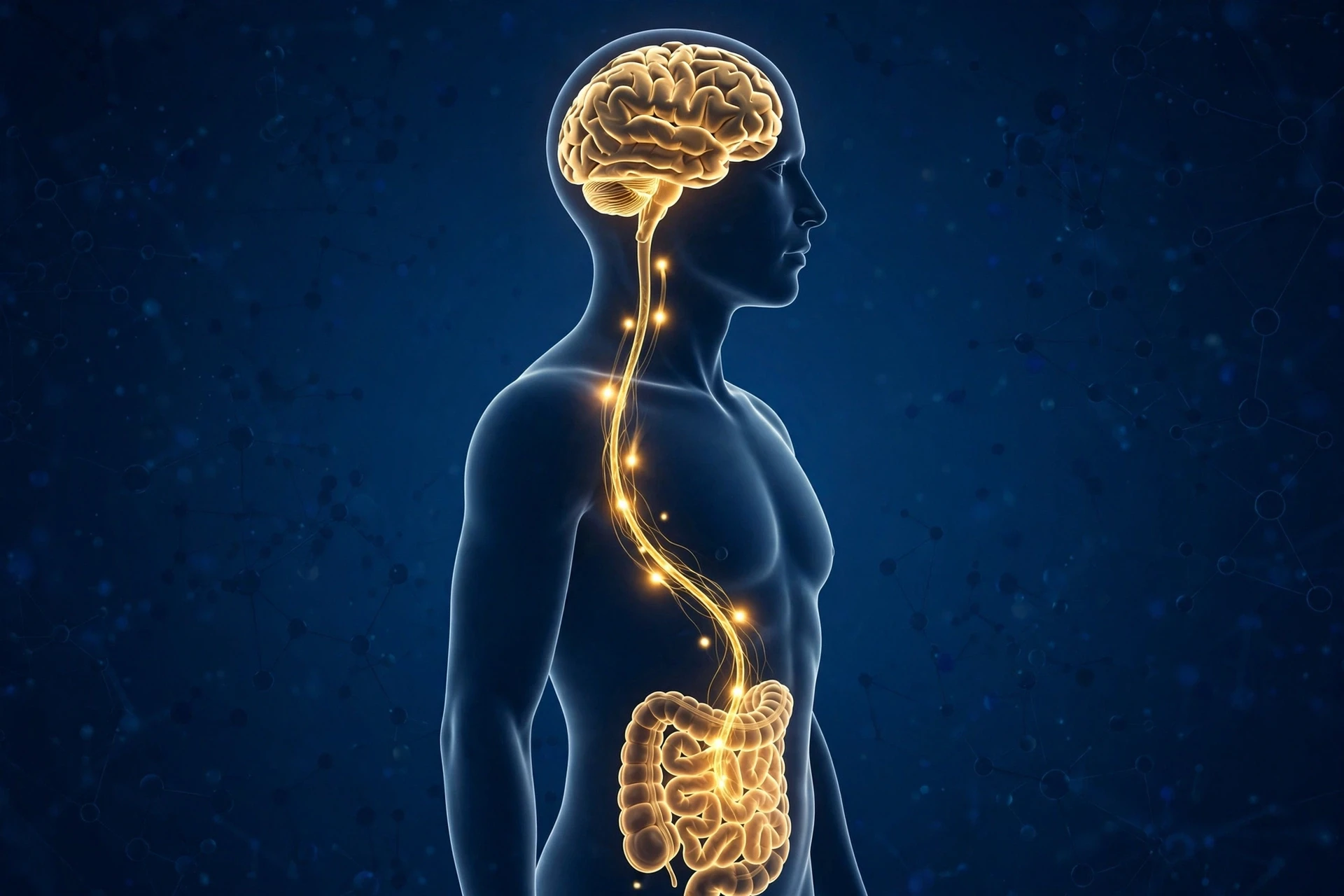
5.2 Serotonin: the 90–95% figure
No number in microbiome writing is quoted more often than this one: about 90 to 95 percent of the body's serotonin is made in the gut. It is true, and it is almost always explained wrongly. The serotonin is made by enterochromaffin cells, specialised cells scattered through the lining of the intestines, which produce the vast majority of the body's supply. A 2021 paper in Gastroenterology puts it plainly:
Enterochromaffin (EC) cells are specialized enteroendocrine cells in the gastrointestinal (GI) tract that produce the vast majority (90% to 95%) of serotonin (5-hydroxytryptamine, 5-HT) in the body. — Wei et al., Gastroenterology, 2021
Here is what that number does not mean. Gut-made serotonin does not cross the blood-brain barrier, the tight seal that protects the brain from most molecules in the blood. The serotonin in your gut stays in your gut and your bloodstream, where its jobs are to control the movement of the intestines, regulate secretions, and help platelets function. The serotonin in your brain is made in your brain, by a different set of cells, in much smaller amounts. When a headline says "95 percent of your happy chemical is made in your gut, so your gut controls your mood", it has taken a true number and attached it to a false mechanism. The gut's serotonin matters enormously for digestion. Its direct effect on mood is, at most, indirect — through the vagus nerve, the immune system, and the general state of the gut, not through serotonin flooding the brain.
The same correction applies to the "second brain" nickname. The enteric nervous system is a remarkable piece of wiring, and it does control digestion with a degree of independence. But it does not think, remember, or feel. It coordinates muscle contractions and secretions. Calling it a second brain makes a good headline and a bad model.
5.3 What germ-free mice taught us
Much of what we know about the gut-brain axis comes from germ-free mice, and their story is genuinely striking. Mice raised without microbes behave differently from normal mice: in the landmark study they showed reduced anxiety-like behaviour in standard tests, they show altered stress responses, and their brains develop differently — with changes in the growth of neurons and in the expression of genes involved in learning and memory. When those mice are colonised with microbes early in life, many of those differences shrink. Colonise them as adults, and some differences persist, which suggests the timing of colonisation matters for brain development.
The most vivid recent example arrived in March 2026, in a paper in Nature from researchers at Stanford and their collaborators. In ageing mice, the gut microbiome shifts in a way that enriches a species called Parabacteroides goldsteinii. That species produces medium-chain fatty acids that activate a receptor called GPR84 on immune cells, driving inflammation that impairs the vagus nerve's signalling to the hippocampus, the brain's memory centre. The result is worse memory in old mice. And the researchers could reverse it: a phage targeting a related Parabacteroides species (P. distasonis), which indirectly lowered the fatty acids driving the inflammation, blocking the GPR84 receptor, or restoring vagal signalling with capsaicin and a GLP-1 drug — all restored memory. It is an elegant chain of cause and effect — microbiome to immune cell to nerve to memory — and it is entirely in mice. The memory centre at the end of that chain, the hippocampus, is also where Alzheimer's disease strikes first — see Sciory's Alzheimer's Disease Explained: Plaques, Tangles, and Memory Loss.
That last clause is not a footnote; it is the point. Mouse brains are not human brains, mouse microbiomes are not human microbiomes, and a chain that works in a laboratory mouse may not work in a person. The Nature paper is a proof of principle: it shows that a microbiome-to-brain pathway can exist and can be strong enough to change behaviour. It does not show that it works this way in people, or that any product targeting it would help anyone. The honest summary of the gut-brain axis in 2026 is this: the wiring is real, the chemistry is real, the mouse evidence is striking, and the human evidence is still thin.
5.4 What this does and does not mean for mood
So what should a reader take from the gut-brain axis? Three things that are solid, and one that is not. First, the gut and the brain genuinely communicate, through nerves, hormones, immune signals and microbial chemicals — that is established anatomy and physiology. Second, gut disorders and mood disorders travel together: people with irritable bowel syndrome are more likely to experience anxiety and depression, and the relationship runs in both directions. Third, the state of the gut can influence the state of the brain through inflammation and stress hormones, even if the exact pathways are still being mapped.
What is not solid is the claim that your gut microbiome determines your mood, or that changing it will treat anxiety or depression. Human studies of probiotics for mood have been small, short, and mixed. Studies that transfer the gut microbiome from a depressed person into a mouse and observe changes in the mouse's behaviour are intriguing, but they are also a long way from a human treatment. The gut-brain axis is a frontier, not a clinic. Anyone selling a product that promises to fix your mood by fixing your gut is selling the frontier as if it were the clinic.
That does not make the subject unimportant. It makes it important in the right way. The gut-brain axis is one of the most promising research programmes in modern medicine, precisely because it is still open. The researchers who will turn it into treatments are the ones who insist on the distinction between a mouse result and a human result, and who test their ideas in careful trials rather than in advertisements. For more on how the gut talks to the brain in everyday life, Sciory's Gut-Brain Connection: How It Relates to Mood explores the same axis from the mood side, and Anxiety and Depression Explained: What the Science Says covers what is known about mood disorders themselves.
6. What Shapes Your Gut Microbiome
6.1 Diet and fibre — the strongest lever
Of everything that shapes the gut microbiome, diet is the strongest lever an individual can pull, and fibre is the handle. The reason is simple: fibre is the main food of the fibre-fermenting bacteria, and the bacteria that thrive are the ones that get fed. Change what you eat and the community changes with it — fast. In a 2014 study published in Nature, researchers put volunteers on an entirely animal-based diet for five days and watched their microbiomes shift within about a day: bile-tolerant bacteria rose, fibre-fermenting bacteria fell, and the whole community reorganised. When the volunteers returned to their normal diet, the changes reversed within about two days. The gut microbiome is not a fixed organ. It is a community that re-sorts itself around every meal.
The most widely quoted finding on diet and diversity comes from the American Gut Project, a citizen-science study published in 2018. People who ate 30 or more different plant foods in a week had significantly more diverse gut microbiomes than people who ate 10 or fewer. "Plant foods" in that study meant vegetables, fruit, whole grains, legumes, nuts, seeds, herbs and spices — anything from a plant, counted separately. The effect held across diet types: varied omnivores had more diverse microbiomes than narrow vegetarians. Variety, not virtue, was what mattered.
Two caveats belong next to that finding, because both are routinely dropped when it is quoted. First, the study was observational: it shows an association between plant variety and diversity, not proof that one causes the other. People who eat 30 plants a week also tend to exercise more, sleep better and eat less processed food, and any of those could contribute. Second, 30 is a statistical grouping threshold — the line the researchers drew between their comparison groups — not a proven biological requirement. There is no evidence that 29 plants leaves you deficient and 30 makes you healthy. The honest message is simpler and less quotable: eat a wide variety of plant foods, and your gut microbiome will probably be more diverse. That is a good reason to vary your meals. It is not a prescription.
My own week of counting, described in the introduction, taught me the same lesson from the other side. The barrier to variety was not knowledge or willpower; it was habit. The same five vegetables, the same grain, the same cooking oil. Breaking the pattern took a list and a little deliberate shopping — a bag of lentils I had never cooked, a bunch of herbs I usually skipped, a different whole grain. It was not a transformation. It was a reminder that the gut microbiome's diet is the diet you actually eat, not the diet you intend to eat.
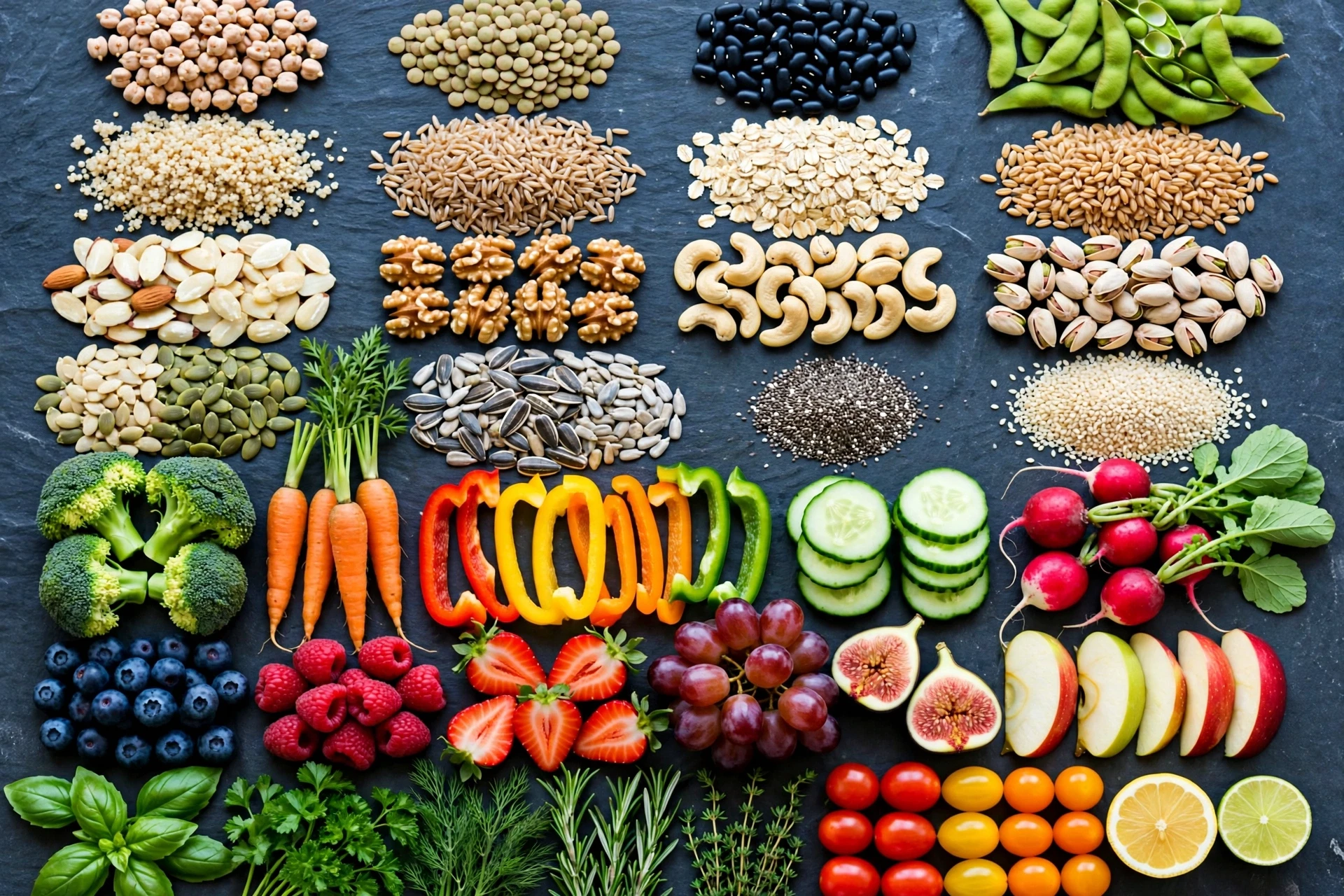
Fermented foods deserve a paragraph of their own, because the best trial on them produced a genuinely interesting result. In a 2021 Stanford study published in Cell, 36 adults were assigned for ten weeks to either a high-fibre diet or a diet rich in fermented foods — yoghurt, kefir, kimchi, sauerkraut, kombucha and similar. The fermented-food group steadily gained microbiome diversity and showed drops in 19 inflammatory markers. The high-fibre group changed the function of their microbes without gaining diversity, a result the authors linked to the fact that the fibre increase was not large enough, or the trial not long enough, for new species to establish. The fermented-food result is encouraging, but it is one small trial, and fermented foods are not the same as probiotic supplements — a distinction section 8 returns to.
6.2 Antibiotics: a reset button with a cost
Antibiotics save lives, and they also do something no other common medicine does: they clear out a large part of the ecosystem they were not aimed at. The gut microbiome collapses within days of starting a course. In a 2008 study, about a third of the bacterial taxa in volunteers' guts were affected by a single course of ciprofloxacin. A follow-up study in 2011 found that recovery was incomplete, and that a second course left a deeper mark than the first. The effect is highly individual — some people bounce back quickly, others slowly — but the pattern is consistent: antibiotics are a disturbance, and the community remembers it.
The clearest picture of recovery comes from a 2018 study in Nature Microbiology. Twelve healthy men took a four-day cocktail of three antibiotics, and researchers followed their microbiomes for six months. Species richness — the count of different species — recovered in about a month and a half. But nine common species were still undetectable at six months. The honest summary, drawn from the primary studies, is that most of the gut microbiome returns over weeks to about six months, but recovery is often incomplete and varies by person, and repeated courses leave a deeper mark.
There is a twist that surprises most people. In a 2018 study in Cell, volunteers who took an 11-strain probiotic after antibiotics recovered their native microbiomes more slowly than volunteers who let their microbiomes recover on their own — the probiotic strains colonised the gut and delayed the return of the original residents for months. The finding does not mean probiotics are harmful in general. It means the gut after antibiotics is an open landscape, and whatever arrives first — probiotic strains or your own returning residents — shapes what grows back. The best-studied use of probiotics after antibiotics is a specific one, preventing antibiotic-associated diarrhoea, and it is discussed in section 8.
None of this is an argument against antibiotics. An infection that needs antibiotics needs antibiotics, and the gut microbiome recovers. It is an argument for using them carefully — the right drug, the right dose, only when needed — and for the stewardship campaigns that doctors and public health agencies have been running for years. Sciory's Antibiotic Resistance Explained: How Bacteria Fight Back covers the other side of that story: what happens when bacteria evolve to survive the drugs.
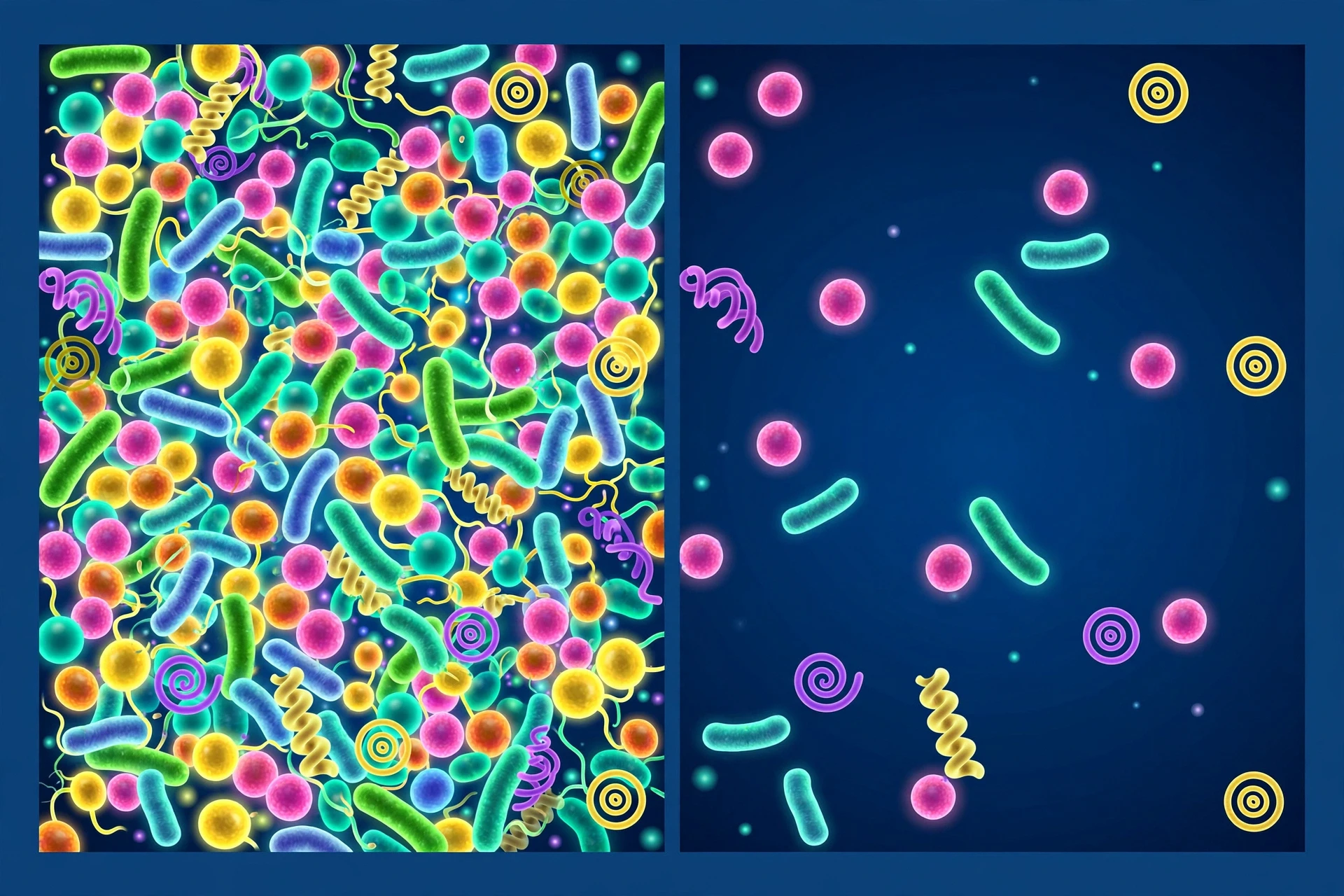
6.3 The rest of life: sleep, stress, exercise, environment, ageing
Diet and antibiotics are the big levers. The rest of life pulls smaller ones, and the evidence for each is at a different stage. Exercise is associated with a more diverse microbiome, though exercise changes diet, sleep and stress at the same time, so whether exercise itself is the cause is hard to isolate. Sleep disruption shifts the gut microbiome in animal studies, and some studies report different microbial patterns in shift workers than in day workers, though the direction of cause and effect is unclear. Stress hormones alter gut motility and secretion, which changes the environment the microbes live in; whether that produces lasting changes in the community is still being studied.
Ageing was covered in section 3.3, and it deserves one more note here: the gut microbiome of an older adult is shaped by the accumulation of a lifetime of diets, illnesses, medicines and living arrangements. People in long-term care, who eat institutional food and take many medicines, tend to have less diverse microbiomes than older adults living independently and eating varied diets. The difference is not age itself. It is the life that comes with it. That is a hopeful finding, in a way: the factors that narrow the gut microbiome in later life are the same factors that can be widened — food variety, movement, time outdoors, social contact.
Environment matters too, in the broadest sense. Children growing up with dogs tend to have more diverse microbiomes; in adults the evidence is for a changed composition, not higher diversity. People who spend time in nature, garden, or work with soil meet more microbes, though how much of that contact reshapes the gut community is not yet established. None of this is a prescription — nobody should adopt a dog for their microbiome — but it fits the ecosystem picture. The gut microbiome is not sealed off from the world. It is a sample of it, filtered through what you eat, where you live, and how you spend your days.
7. When the Ecosystem Tips: Dysbiosis and Disease
7.1 What dysbiosis means (and what it does not prove)
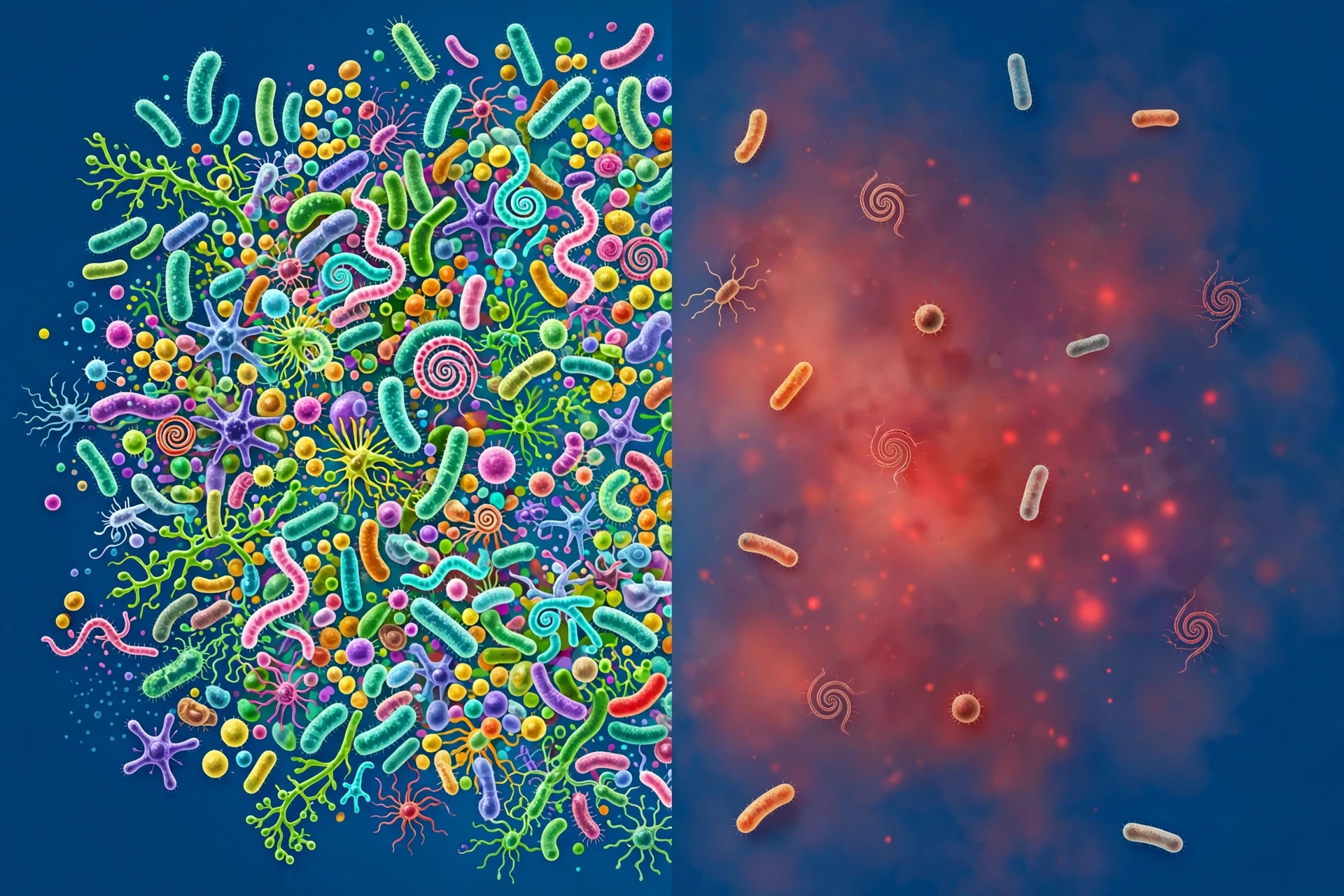
Dysbiosis is the word researchers use for a gut microbiome that has shifted away from its usual, healthy pattern — typically lower diversity, fewer beneficial species, and more of the groups associated with inflammation or disease. The Cleveland Clinic defines it plainly as an imbalance in the gut microbiome, and that plainness is worth holding on to, because the word gets used for far more than it can carry. Dysbiosis is a description, not a diagnosis. It says the community looks different. It does not say why, and it does not say what will happen next.
That distinction matters because dysbiosis appears in almost every disease that researchers study. Lower diversity shows up in inflammatory bowel disease, obesity, type 2 diabetes, colorectal cancer, liver disease, allergies, and a long list of others. A newcomer to the field could be forgiven for concluding that the gut microbiome causes all of them. The more careful conclusion, and the one the evidence supports, is that a disturbed gut microbiome is a common companion of disease — sometimes a cause, sometimes a consequence, often both, feeding back on each other. The disease changes the gut's environment, the microbes respond to the new environment, and the changed microbes make the disease worse. Untangling that loop is the central challenge of the field.
7.2 Inflammatory bowel disease
The clearest disease link is inflammatory bowel disease — Crohn's disease and ulcerative colitis, the chronic inflammatory conditions of the gut. A 2025 systematic review of 83 observational studies found a consistent pattern: reduced diversity, depleted Faecalibacterium prausnitzii and other butyrate-producing Firmicutes, and an expansion of Proteobacteria, including adherent-invasive Escherichia coli, a strain that can stick to the gut wall and provoke inflammation. The pattern is more pronounced in Crohn's disease than in ulcerative colitis.
But the review's authors are careful about what that pattern means, and this article will be too. As they put it, the exact mechanism — whether it is a multi-step process, a causative agent, or an interplay between the immune system of the gut lining and the dysbiosis — is yet to be elucidated. Whether the disturbed microbiome causes the inflammation or results from it remains unresolved. What is known is that the relationship is real, consistent, and strong enough that the gut microbiome is a serious therapeutic target: faecal microbiota transplantation is being tested for ulcerative colitis, with mixed results so far, and the search for the specific microbial drivers of the disease continues.
There is a practical point here for readers with inflammatory bowel disease. The gut microbiome findings have not yet produced a diet or a supplement that reliably changes the course of the disease, and no microbiome test can diagnose it. The research is promising, and the day may come when a gut microbiome-based treatment is standard. It has not arrived yet.
7.3 Obesity and metabolic disease
The link between the gut microbiome and obesity is the most famous in the field, and the most overstated. It began with a striking mouse experiment: transfer the gut microbiome from an obese mouse into a germ-free mouse, and the recipient gains more weight than a mouse given the gut microbiome of a lean mouse, even on the same diet. The result launched a thousand headlines about gut bacteria causing obesity, and a whole industry of products promising to reprogramme the gut microbiome for weight loss.
The human evidence has not kept up. Microbial profile differences between people with and without obesity are observed, but with little consistency between studies — different studies find different patterns, and no single "obese microbiome" has emerged. A careful review of the field concluded that there is no substantial evidence that the gut microbiome causes obesity or type 2 diabetes, and asked the question that frames the whole debate: are these microscopic changes driving the disease, or is the disease driving these changes? A 2025 Mendelian randomisation study — a method that uses genetic variants as a natural experiment to test causality — suggested some causal links, with modest odds ratios in the range of 0.94 to 1.12. That is supportive, not settled. The honest position in 2026 is that the gut microbiome is associated with obesity and metabolic disease, that the association is probably partly causal and partly a consequence, and that nobody yet knows the proportions.
That uncertainty has not stopped the marketing. Products that claim to reshape the gut microbiome for weight loss rest on a chain of reasoning that the evidence does not support: that a particular microbial profile causes weight gain, that a supplement can change that profile in the desired direction, and that the change will cause weight loss. Each link in that chain is unproven in humans. Diet and activity remain the interventions with evidence behind them — not because the gut microbiome is irrelevant, but because they are the things that actually change it. For the science of weight regulation itself, Sciory's Type 2 Diabetes Explained: Symptoms, Causes, and Prevention covers the metabolic side in depth.
7.4 The correlation trap: why microbiome headlines overreach
The pattern behind sections 7.2 and 7.3 is worth naming, because it explains most of the overclaiming in this field. It is the correlation trap: a study finds that people with a condition have a different microbiome, and the headline reports that the gut microbiome causes the condition. The study never showed that. It showed that the two travel together, which could mean the gut microbiome causes the condition, the condition changes the gut microbiome, or a third factor — diet, medicines, lifestyle — changes both.
There are three questions to ask of any microbiome headline. First, was it in mice or in people? Mouse results are real science, but they are not human results. Second, was it an association or an intervention? A study that changes the gut microbiome and watches what happens is far stronger than a study that measures the gut microbiome and a disease at the same time. Third, how big was the effect, and has anyone repeated it? A single small study with a striking result is the beginning of a conversation, not the end of one.
The largest study of the field's recent history illustrates the right way to read this evidence. Published in Nature in December 2025, it ranked 661 gut species by their association with favourable or unfavourable health markers in 34,694 people from the ZOE PREDICT cohorts in the United States and the United Kingdom. The species most strongly linked with good health were fibre-fermenting, butyrate-producing lineages — the same groups this article has been describing since section 4. And many of them were unknown, uncultured species that no probiotic contains. The authors were explicit: association only, causality cannot be inferred. That is the standard to hold every claim in this field against.
8. Probiotics, Prebiotics, and Fermented Foods
8.1 What probiotics are — and what the evidence supports
A probiotic, by the World Health Organization's definition, is a live microorganism that, when given in adequate amounts, confers a health benefit on the host. The definition is precise, and the precision matters, because most products sold under the name do not meet it. A product is only a probiotic if the specific strain it contains has been shown, in a proper trial, to provide a specific benefit. The effects are strain-specific: evidence for one strain does not transfer to another, even within the same species. A capsule labelled with a genus and a species, but no strain, is selling a name, not an evidence base.
The best-supported use of probiotics is a narrow one: preventing antibiotic-associated diarrhoea. A Cochrane review found that probiotics roughly halve the risk, with moderate-certainty evidence, and the best-studied strains for that purpose are Lacticaseibacillus rhamnosus GG and Saccharomyces boulardii. That is a real, useful benefit — and it is a long way from the claims on most bottles.
For irritable bowel syndrome, the picture is weaker. Some probiotics may modestly improve symptoms, but the benefits have not been conclusively demonstrated, and the American College of Gastroenterology in 2021 recommended against probiotics for global IBS symptoms, citing very low-level evidence. The American Gastroenterological Association's 2020 guidance makes conditional recommendations only for two specific situations: preventing necrotising enterocolitis in preterm infants, and preventing Clostridioides difficile-associated diarrhoea in patients on antibiotics. For general "gut health" in healthy people, there is no good evidence that probiotic supplements help. The National Institutes of Health's Office of Dietary Supplements says so plainly: there are no official recommendations for probiotic use in healthy people.
A friend once asked me, holding up a bottle of expensive probiotics, whether it would "fix" her gut. I told her what the evidence says, which is that the bottle contained strains she would have to look up one by one, that the benefits demonstrated for those strains were probably for something else entirely, and that the most reliable way to support her microbiome was the unglamorous one: more plant variety, more fermented foods, less processed food. She was disappointed, and then she was relieved — disappointed that there was no shortcut, relieved that the answer was food she already liked rather than a monthly subscription.
Probiotics are generally safe in healthy people, with mild gas and bloating the most common complaints. The risk is higher in people who are seriously ill or immunocompromised, where rare cases of infection from probiotic strains have been reported. That risk profile is one more reason the decision belongs in a conversation with a clinician, not in a shopping basket.
Use | What the evidence says | Strength |
|---|---|---|
Preventing antibiotic-associated diarrhoea | Risk roughly halved; best-studied strains Lacticaseibacillus rhamnosus GG and Saccharomyces boulardii | Moderate certainty (Cochrane) |
Preventing C. difficile diarrhoea during antibiotics | Conditional recommendation from the AGA (2020) | Conditional |
Irritable bowel syndrome | Some strains may modestly help some symptoms; ACG (2021) recommends against probiotics for global IBS symptoms | Very low |
General "gut health" in healthy people | No good evidence of benefit; no official recommendations (NIH Office of Dietary Supplements) | No evidence |
Necrotising enterocolitis in preterm infants | Conditional recommendation from the AGA (2020), hospital setting only | Conditional |
8.2 Prebiotics: feeding the microbes you already have
If probiotics are about adding new microbes, prebiotics are about feeding the ones you already have. A prebiotic is a food ingredient — usually a type of fibre, such as inulin, fructooligosaccharides or galactooligosaccharides — that selectively feeds beneficial gut bacteria. Onions, garlic, leeks, asparagus, bananas, oats and legumes are all rich in prebiotic fibres, which is one reason a varied plant diet does double duty: it feeds you, and it feeds the bacteria that feed you.
The evidence for prebiotics is better grounded than the evidence for probiotic supplements, mostly because it is the same evidence as the evidence for fibre. The bacteria that ferment prebiotic fibres produce short-chain fatty acids, and the benefits described in section 4 follow from that. Prebiotic supplements exist, and they can increase Bifidobacterium levels in trials, but the same fibres are available in ordinary food, in larger amounts and with more variety. A bowl of lentils does what a sachet of inulin does, and it does it alongside a dozen other things the sachet cannot provide.
There is a practical point here that applies to the whole supplement market. The gut microbiome is fed by food, not by pills, and the food that feeds it best is the food humans have eaten for millennia: plants, in variety, with fermentation where tradition provides it. The supplement industry has built a large business on the idea that the gut microbiome needs topping up. The evidence says it needs feeding.
8.3 Fermented foods: what studies actually show
Fermented foods — yoghurt, kefir, kimchi, sauerkraut, kombucha, miso, tempeh — are not the same as probiotics, and the distinction matters. A fermented food contains live microbes, but those microbes are not standardised, not dosed, and not tested for a specific benefit the way a probiotic strain is. What fermented foods do offer is variety: a rotating cast of microbes, plus the acids and other compounds produced during fermentation.
The Stanford trial described in section 6.1 is the best evidence available: ten weeks of fermented foods steadily increased microbiome diversity and lowered 19 inflammatory markers in 36 adults. It is one small trial, and it needs repeating at a larger scale, but it is the kind of result that fits the rest of the evidence. Fermented foods add microbial variety to the diet and the gut, and variety is what a diverse microbiome is made of. They are also, unlike most supplements, foods with a long history of safe human use.
None of this means fermented foods are a treatment. It means they are a reasonable part of a diet that supports the gut microbiome — along with fibre, plant variety, and the ordinary habits of eating well. The same is true of the high-fibre diet in the Stanford trial: it changed what the microbes did, even though it did not add new species in ten weeks. The lesson of both arms of that trial is the same: food changes the gut microbiome, and the changes take time.
9. Faecal Microbiota Transplantation: Resetting the Ecosystem
9.1 The C. difficile story
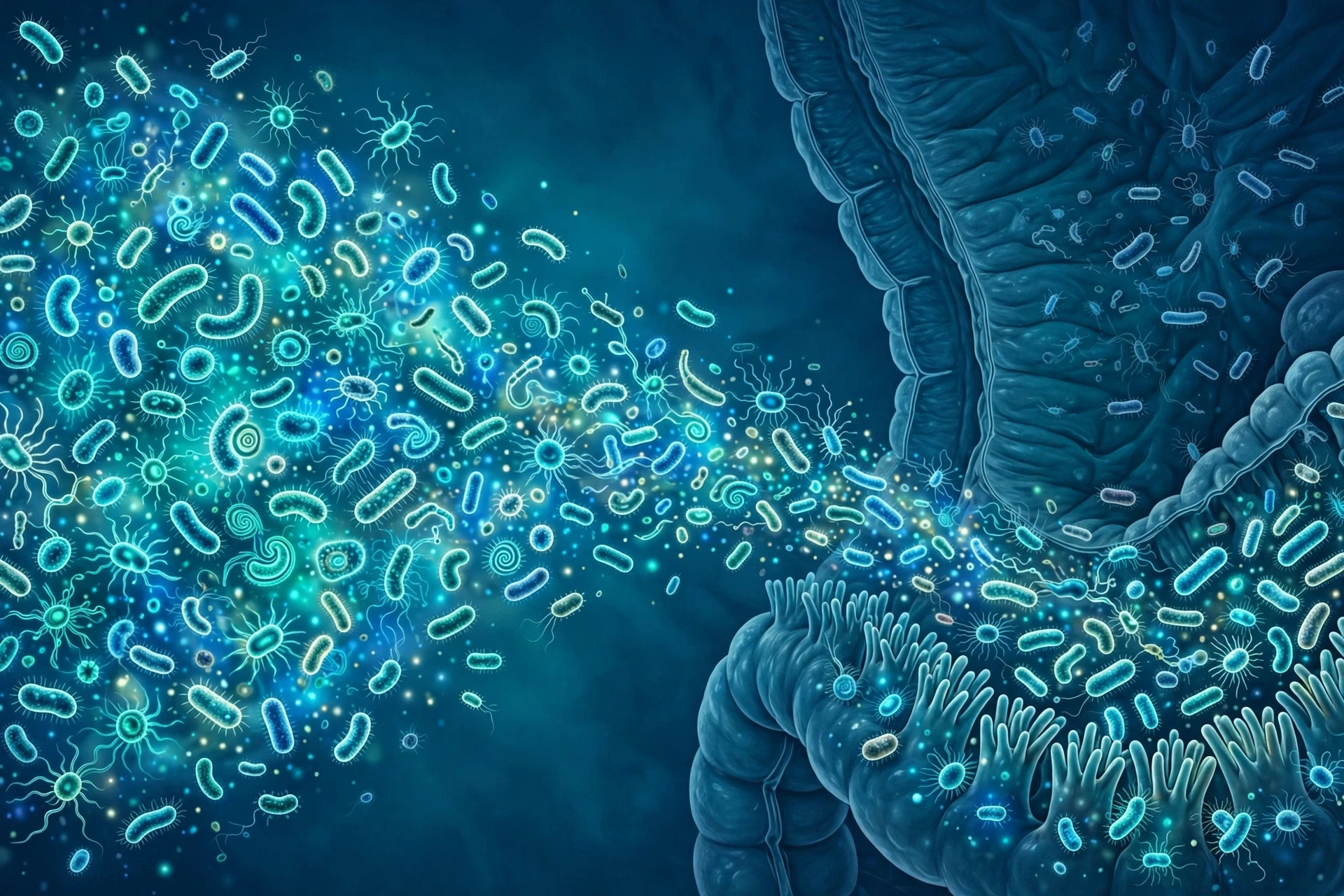
Faecal microbiota transplantation — FMT — is the most dramatic microbiome treatment in medicine, and also the simplest to describe: stool from a healthy donor is transferred into the gut of a patient, usually by colonoscopy, enema, or a capsule, to restore a disrupted microbial community. It sounds crude. It works better than almost any drug for the condition it treats.
That condition is recurrent Clostridioides difficile infection, a severe diarrhoeal illness that follows antibiotic treatment. Antibiotics clear the gut's residents, C. difficile spores survive, and the bacterium blooms in the empty gut, releasing toxins that damage the colon. Further antibiotics often fail, because each course clears the residents again and leaves the spores behind. FMT breaks the cycle by restoring the community that keeps C. difficile in check — through competition for nutrients, through bile acid chemistry that prevents the spores from germinating, and through colonisation resistance of the kind described in section 4.5.
The numbers need stating carefully, because the figure most often quoted — about 90 percent — is the repeat-treatment figure, not the single-dose figure. The evidence-based summary is that a single FMT cures roughly 65 to 80 percent of recurrent cases, and repeated treatments raise that to 90 to 95 percent, against 25 to 27 percent for antibiotics alone. Real-world results are lower than trial results: a large 2025 cohort of 1,170 patients in routine practice found only 60 percent cured after the first FMT and 81 percent after repeated treatments. The honest way to say it is that FMT cures roughly eight to nine in ten cases of recurrent C. difficile when repeat treatments are included, and around six to eight in ten with a single treatment. That is still an extraordinary result for a condition that once had few options.
The treatment has now been standardised. The US Food and Drug Administration approved the first standardised products in 2022 and 2023: Rebyota, given rectally, and Vowst, the first oral capsule product. Standardisation matters because it replaces screened donor stool prepared in individual hospitals with a tested, manufactured product — safer, more consistent, and easier to deliver. Donor screening itself is rigorous, and it has to be: the same procedure that transfers a healthy community can transfer a pathogen, and the history of FMT includes serious infections traced to inadequately screened donors.
9.2 Beyond C. difficile: what is experimental
The success of FMT for C. difficile has raised an obvious question: what else can it treat? The honest answer is that, so far, not much — at least not with the same reliability. Trials for ulcerative colitis have produced mixed results: some patients improve, many do not, and the effect depends heavily on the donor, the preparation, and the patient's own microbiome. Trials for irritable bowel syndrome, obesity, metabolic disease and autism have been small, and the results have been inconsistent or negative. The pattern is consistent with what section 7 described: in C. difficile, a single missing function — the community that suppresses one bacterium — explains the disease, and replacing the community fixes it. In most other conditions, the gut microbiome is one thread in a much larger knot, and replacing the community does not untie it.
That is why the frontier of this field is moving away from whole-stool transplants and toward defined microbial products: capsules containing a known set of strains, or a single strain grown in a laboratory, targeting a specific function. The idea is to keep the benefit of FMT and remove its risks and its variability. It is early work, and no such product has yet matched FMT's success in C. difficile. The field is also moving toward "precision" approaches — matching a donor or a product to a recipient's microbiome, rather than treating every gut the same. Those ideas are promising. They are also, for now, research.
10. Seven Misconceptions About the Gut Microbiome
10.1 "You have ten times more bacteria than human cells"
No. The 10-to-1 figure was a rough guess from the 1970s, repeated until it felt like fact. The 2016 recount put the ratio at about one to one — 38 trillion bacteria against 30 trillion human cells. The correction does not make the gut microbiome less impressive. It makes the claim accurate.
10.2 "Your gut makes your mood because it makes most of your serotonin"
The gut does make 90 to 95 percent of the body's serotonin. But gut serotonin does not cross the blood-brain barrier, and its jobs are in the gut: movement, secretion, platelet function. The brain makes its own serotonin. The gut-brain axis is real, but this number is not the mechanism.
10.3 "There is one ideal microbiome to aim for"
There is not. Healthy microbiomes vary enormously from person to person, and the Human Microbiome Project found that the species list could differ dramatically while the functions stayed the same. A test that tells you how unusual your species list is cannot tell you whether your gut microbiome is working well. Diversity, stability and function matter more than matching a reference profile.
10.4 "Probiotics reset your gut"
Probiotics do not reset anything. Their effects are strain-specific, their best-supported use is narrow — preventing antibiotic-associated diarrhoea — and there is no good evidence they improve general gut health in healthy people. After antibiotics, one study even found that a multi-strain probiotic delayed the recovery of the native microbiome. Food, not capsules, is what feeds the community.
10.5 "A microbiome test can diagnose your problems"
Direct-to-consumer microbiome tests can describe your microbial community in detail. What they cannot do, reliably, is tell you what is wrong with you or what to do about it. The reference ranges are wide, the link between a species list and a health outcome is weak, and the recommendations that follow are usually generic diet advice dressed up as personalisation. The tests are interesting. They are not medical diagnostics.
10.6 "Dysbiosis causes whatever disease you have"
Dysbiosis is associated with many diseases, and it causes some of them — C. difficile infection is the clearest case. But in most conditions, the disturbed microbiome is as likely to be a consequence of the disease as a cause of it, and often both at once. Association is not causation, and a gut microbiome difference is not an explanation until someone shows the mechanism.
10.7 "You can starve the bad bacteria and feed only the good ones"
The gut does not sort neatly into good and bad. The same species can be helpful in one context and harmful in another — Escherichia coli is a normal resident that can also cause disease, and even the butyrate producers that support the gut wall can behave differently when the environment changes. Health is a property of the community and its balance, not of individual heroes and villains. A diet that feeds the whole community, in variety, does more than any attempt to target single species.
11. The Future of Microbiome Science
11.1 Personalised nutrition and microbiome testing
The most heavily marketed promise in this field is personalisation: a test of your gut microbiome, followed by a diet designed for your microbes. The idea is appealing, and there is real science behind parts of it. The 2026 Human Diets and Microbiome Initiative, which studied 1,976 people in the United States, the United Kingdom, Spain, Mexico and Japan, found that diet-microbiome associations are largely specific to each population, with limited generalisation across countries — a finding that supports the idea that one diet does not fit all microbiomes. And the large Nature study of 34,694 people in 2025 showed that particular species track with favourable health markers, even if the species differ between populations.
But the gap between that science and a useful personal diet plan is still wide. The associations are statistical, not prescriptive. Nobody can yet look at a person's microbiome and say which foods will improve their health, or by how much. The tests that promise to do so are ahead of the evidence, and the advice they give — eat more fibre, more variety, more fermented foods — is the same advice that applies to everyone. Personalised microbiome nutrition may arrive. It has not arrived yet, and the most honest version of it, when it comes, will be built on trials that test whether personalised advice beats general advice — not on the assumption that it must.
11.2 Next-generation probiotics and engineered microbes
The second frontier is the microbes themselves. Researchers are working on "next-generation probiotics": strains chosen not from yoghurt cultures but from the species that the large population studies link with good health — the fibre-fermenting, butyrate-producing lineages that dominate the favourable end of the Nature study's ranking. Many of those species are unknown or uncultured, which is both the opportunity and the difficulty: the most promising microbes are the ones nobody has yet learned to grow.
Further out, there are engineered microbes — bacteria modified to produce a specific molecule, sense a disease signal, or deliver a drug to a precise location in the gut. Early versions were tested in trials for phenylketonuria — a Phase 2 study in 2023 of an engineered bacterium designed to break down the amino acid that patients cannot process — but the lead programme was discontinued in 2024 after its pivotal trial failed. The same approach is being explored for inflammatory bowel disease and metabolic conditions. It is the most ambitious version of the gut microbiome idea: not just understanding the community, but redesigning parts of it.
The field is also becoming more careful about its own claims. The 2026 review in the journal Genes describes the gut microbiome as a "living metabolic organ" and a "second genome", and then spends its pages on the hard work of moving from description to mechanism — multi-omics, precision medicine, and the need to test interventions in proper trials. That is the right direction. The gut microbiome has spent a decade as a story. The next decade will decide whether it becomes a medicine.
12. Frequently Asked Questions
What is the gut microbiome?
The gut microbiome is the community of trillions of microorganisms — mostly bacteria, plus archaea, fungi and viruses — that live in your intestines, chiefly in the colon, together with their genes and the chemicals they produce. It digests fibre you cannot digest, makes vitamins, trains your immune system, and communicates with your brain through the vagus nerve and other routes. There is no single "normal" version: healthy microbiomes vary enormously from person to person.
How does the gut microbiome affect your health?
It affects health through the chemistry it performs. Its bacteria ferment fibre into short-chain fatty acids that feed the cells of your colon wall, synthesise vitamins, modify bile acids, train immune cells, and help maintain the gut barrier. When the community is disturbed — by antibiotics, a narrow diet, or illness — those functions weaken, and the risk of gut infections and inflammation rises. For most other diseases, the gut microbiome is associated with the condition rather than proven to cause it.
What do gut bacteria do?
Gut bacteria digest plant fibre and release short-chain fatty acids (acetate, propionate and butyrate); make vitamin K and B vitamins; transform bile acids into signalling molecules; break down plant compounds your own enzymes cannot handle; train the immune system to tolerate harmless microbes; and defend the gut through colonisation resistance, crowding out invaders. Butyrate, their main product, provides 60 to 70 percent of the energy used by the cells lining the colon.
How does diet change the microbiome?
Diet changes the microbiome within about a day, because the bacteria that get fed are the bacteria that thrive. Fibre feeds the fibre-fermenting bacteria, and a varied plant diet supports a more diverse community: in the American Gut Project, the most diverse microbiomes belonged to people eating at least 30 different plant foods weekly, while the least diverse belonged to those eating 10 or fewer. Fermented foods can also increase diversity. The changes reverse quickly when the diet returns to normal, which is why lasting change needs a lasting change in what you eat.
Do probiotics actually work?
For one specific purpose, yes: preventing antibiotic-associated diarrhoea, where probiotics roughly halve the risk, with the best evidence for the strains Lacticaseibacillus rhamnosus GG and Saccharomyces boulardii. For irritable bowel syndrome the evidence is weak, and the American College of Gastroenterology recommends against probiotics for global IBS symptoms. For general "gut health" in healthy people, probiotic supplements have no good evidence behind them. Effects are strain-specific, so a benefit shown for one strain does not apply to a different product.
Can antibiotics permanently damage your gut microbiome?
Antibiotics thin the gut microbiome within days, and recovery usually takes weeks to about six months. In one study of 12 healthy men, species richness recovered in about six weeks, but nine common species were still undetectable at six months, and a second course left a deeper mark than the first. Recovery is usually substantial but often incomplete, and it varies a great deal from person to person. The damage is rarely permanent in the sense of never recovering, but repeated courses can push the community into a different, less diverse state.
What is the gut-brain axis?
The gut-brain axis is the two-way communication system between the intestines and the brain, carried by the vagus nerve, hormones, immune signals and microbial chemicals. In mice, gut microbes have been shown to regulate vagal signalling, and in 2026 researchers showed that the aged mouse microbiome can impair vagal signalling to the memory centre of the brain — and that restoring the signal restores memory. In people, the wiring is real but the effects on mood and thinking are still being established, and no microbiome treatment for mood has been proven.
Sources
NIH Common Fund. Human Microbiome Project — Health Relevance
Mayo Clinic News Network. Get to know your microbiome (12 Dec 2025)
Colorado State University Extension. The Gut Microbiome and Health
National Geographic. What is the gut microbiome — and how can it affect your health?
Frontiers in Microbiology. Delivery mode and early gut colonisation (2022 cohort study)
Frontiers in Microbiology. Breastfeeding and the infant gut microbiome (2021 cohort study)
NIH Office of Dietary Supplements. Probiotics — Consumer fact sheet
NIH Office of Dietary Supplements. Probiotics — Health Professional fact sheet
Harvard T.H. Chan School of Public Health. Probiotics for Gut Health (Nutrition Source)
Human Diets and Microbiome Initiative. Nature Communications. 2026. DOI: 10.1038/s41467-026-77928-9
Mendelian randomisation study of gut microbiota and metabolic disease (2025)
Faecal microbiota transplantation: evidence summary (University of Missouri repository)
Oren A, Garrity GM, et al. Nomenclature of prokaryotic phyla (2024 guide)