

Educational information only — not medical advice. This article explains the science of type 2 diabetes for general learning. It is not a diagnosis, and it does not replace advice from your own doctor or another qualified health professional. If you have symptoms described here, or questions about your own blood sugar, please speak to a clinician.
1. The Phone Call That Changed How I Think About Blood Sugar
The first time type 2 diabetes stopped being an abstract diagram for me, it was not in a laboratory. It was a phone call from a friend I had known since university. He was forty-one, he played football on Sundays, and he had just come home from a routine check-up with a word he had never expected to hear attached to his own name. His blood sugar was high. Not a little high. High enough that the doctor used the word diabetes, and then sat with him for twenty minutes explaining what that meant.
"I don't feel ill," he told me. "That's the part I can't get my head around. I feel fine. How can something be wrong if I feel fine?"
That question has stayed with me for years, because it captures the central strangeness of type 2 diabetes. It is a condition that can grow quietly for years while a person feels almost normal. The thirst creeps in slowly. The trips to the bathroom at night become a habit you stop noticing. The tiredness gets blamed on work, on age, on a bad mattress. By the time the symptoms are loud enough to force a visit to the doctor, the underlying process has often been running for a long time.
I have spent years reading the research on metabolism and talking with clinicians who manage this condition every day. What I have learned is that type 2 diabetes is not a single event or a single failure. It is a slow conversation between the food we eat, the fat our bodies store, the cells that stop listening, and a pancreas that works harder and harder until it cannot keep up. Once you understand that conversation, the symptoms make sense, the causes stop looking mysterious, and the prevention advice stops sounding like generic nagging.
This article walks through that whole story: what type 2 diabetes is, how insulin is supposed to work, the early signs most people miss, the real causes and risk factors, how doctors test for it, what happens when blood sugar stays high for years, and what genuinely helps prevent it.
2. What Type 2 Diabetes Actually Is
2.1 A problem with sugar, not with sweetness
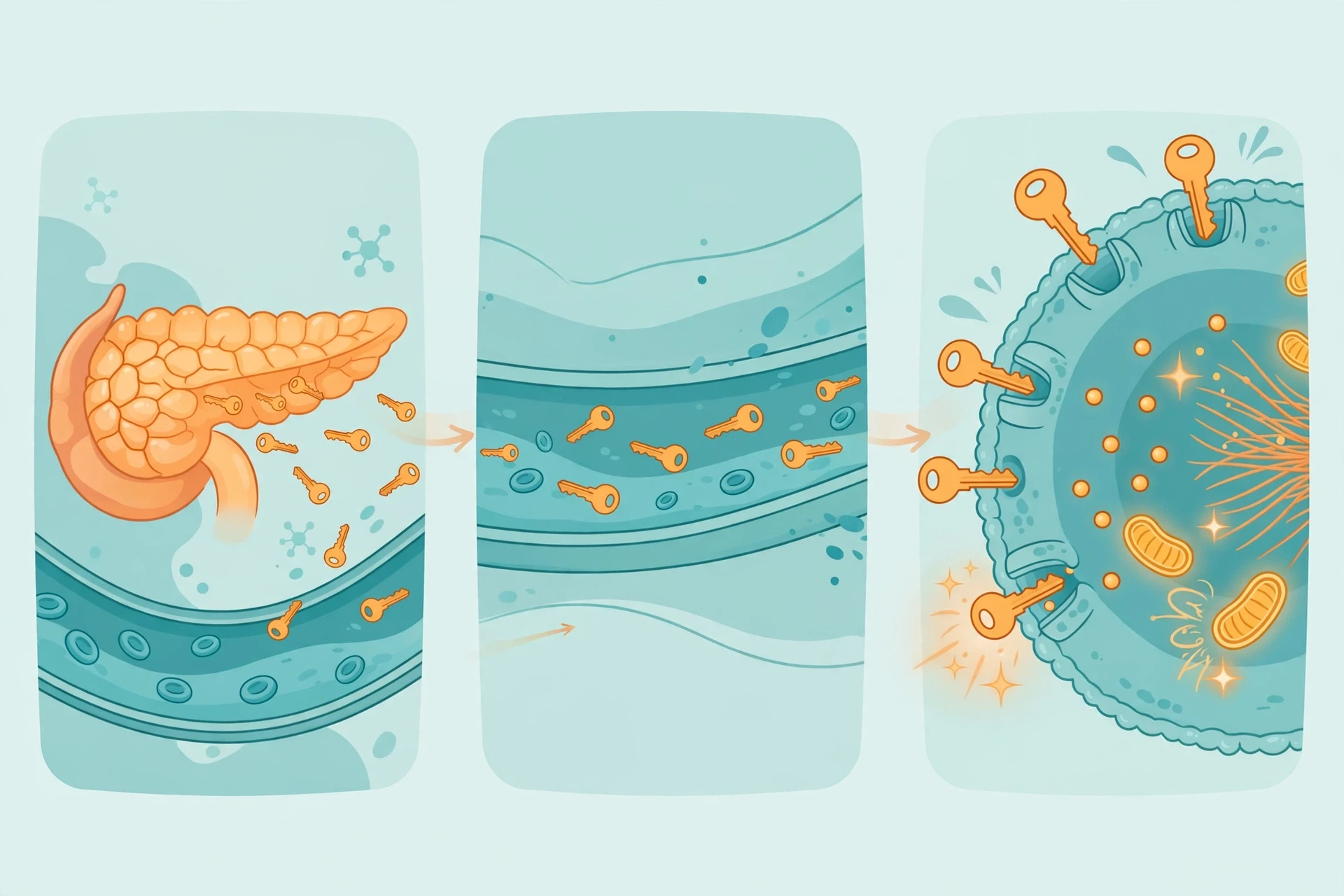
Type 2 diabetes is a long-term condition in which blood sugar — glucose — stays too high because the body cannot use insulin properly. Glucose is the main fuel for our cells. Every time we eat, food is broken down and glucose enters the bloodstream. Insulin, a hormone made by the pancreas, acts as the signal that lets glucose move from the blood into cells, where it is burned for energy or stored for later.
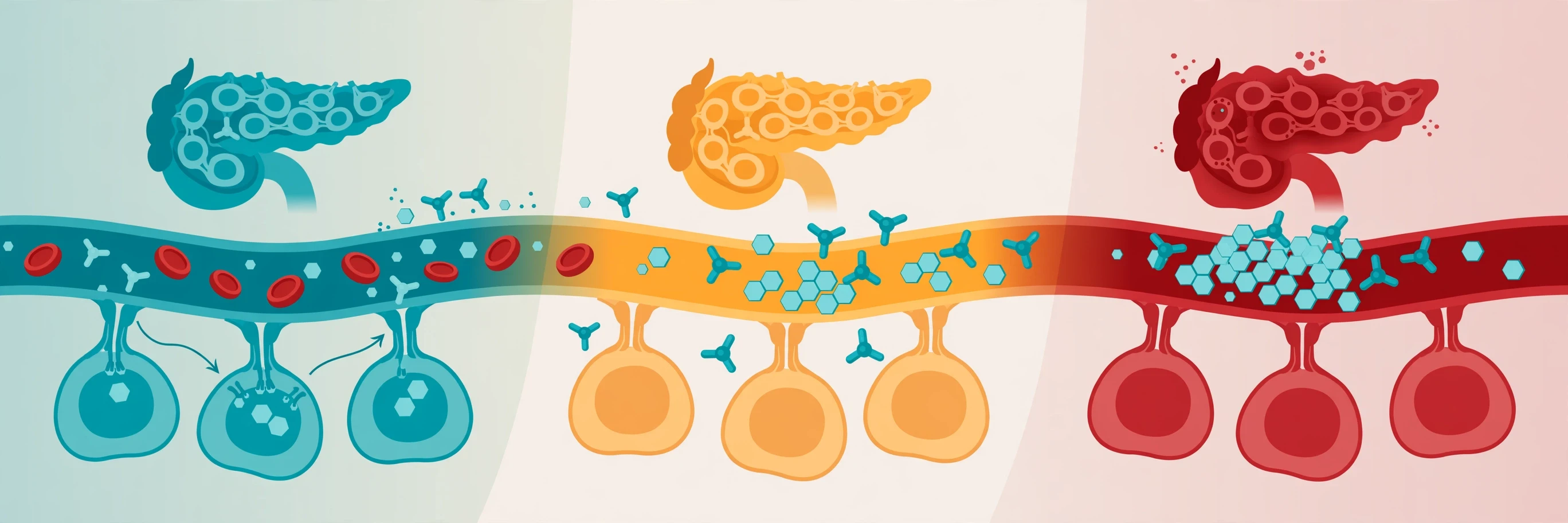
In type 2 diabetes, that handover breaks down in two ways. First, the body's cells stop responding properly to insulin. Scientists call this insulin resistance. The signal is sent, but the cells barely hear it, so glucose stays in the blood instead of entering the cells. Second, the pancreas cannot make enough insulin to overcome that resistance. Early on it compensates by making more and more insulin. Over years, the insulin-producing cells in the pancreas tire, and insulin output falls. Blood sugar climbs, first a little, then a lot.
The Mayo Clinic puts it plainly: type 2 diabetes happens when the body cannot use insulin correctly and sugar builds up in the blood, and there is no cure — though losing weight, eating well and exercising can help manage the condition, and medicines or insulin therapy can help when lifestyle steps are not enough.
2.2 A lock-and-key system that stops working
I like to picture insulin as a key and each cell as a house with a locked door. When insulin arrives, it turns the key, the door opens, and glucose walks in. In a healthy body, this happens thousands of times a day without any thought. In insulin resistance, the locks get rusty. The key still fits, but turning it takes more effort, and fewer doors open. The pancreas responds the way any of us would if the doors stopped opening: it makes more keys. For a while that works. Then the key factory itself starts to wear out.
That analogy is imperfect — real biology is messier, involving fat tissue that sends out chemical signals, a liver that releases glucose at the wrong times, and muscle cells that take up less sugar when we sit all day — but the shape of the story is right. It is a system under strain, not a single broken part.
2.3 Why "type 2" matters
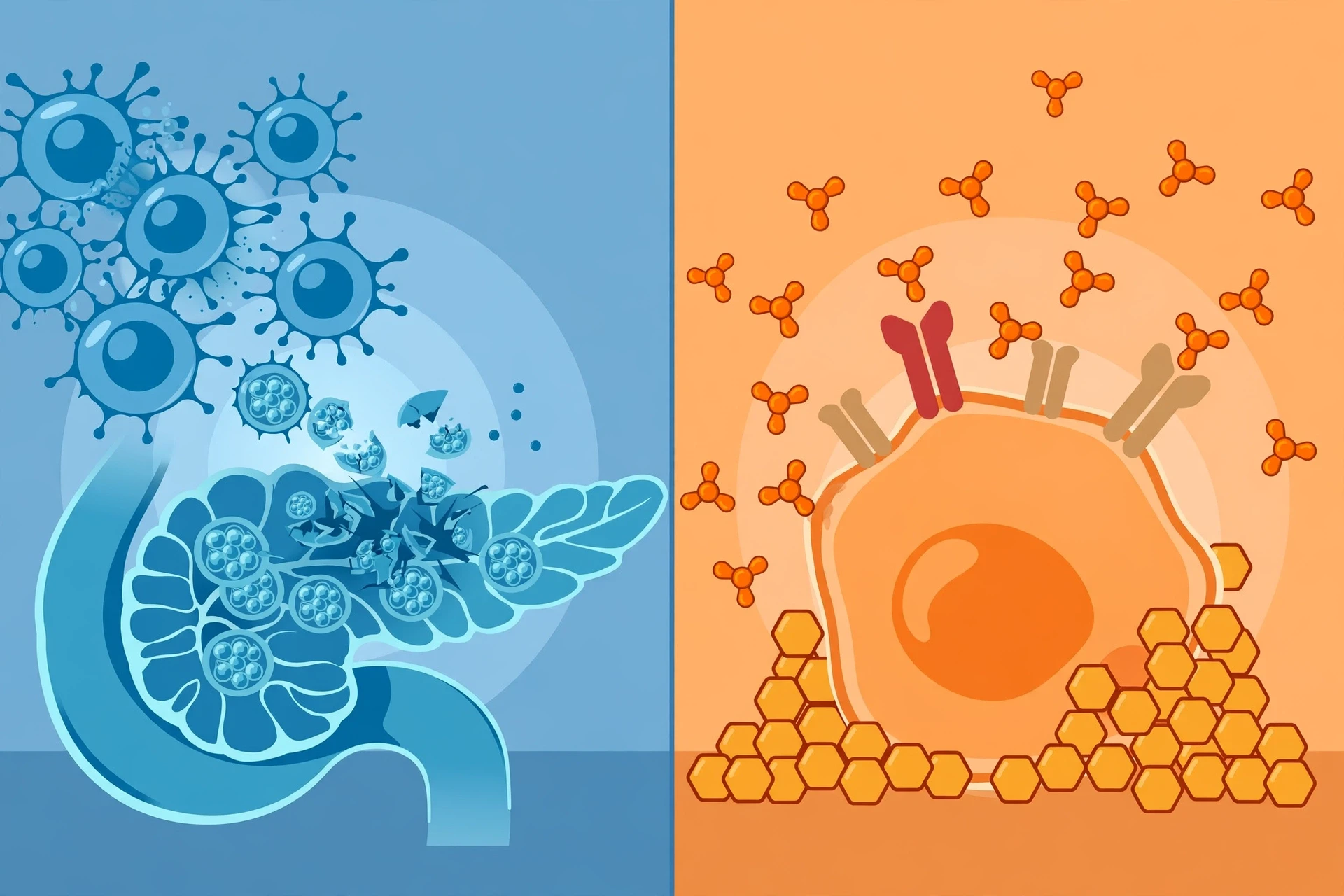
Diabetes is not one disease. Type 1 diabetes is an autoimmune condition in which the immune system destroys the insulin-producing cells of the pancreas, so the body makes little or no insulin. It usually appears in childhood or young adulthood and always needs insulin treatment. Type 2 diabetes, by contrast, is a condition of resistance and gradual failure: insulin is made, but it does not work well enough, and over time the pancreas cannot keep up.
That distinction matters because the two types have different causes, different prevention stories, and different treatments. You cannot prevent type 1 diabetes with diet or exercise. Type 2 diabetes, on the other hand, is strongly shaped by lifestyle — which means a large share of cases can be delayed or prevented.
3. How Insulin Resistance Builds, Slowly and Silently
3.1 The quiet years before diagnosis
One of the most surprising things I learned from the research is how long the road to type 2 diabetes can be. Insulin resistance does not appear overnight. It builds over months and years, often while blood sugar readings still look normal — because the pancreas is compensating by pumping out extra insulin. Doctors call the middle stage of this road prediabetes: blood sugar is higher than normal, but not yet high enough to be called diabetes. If you want to understand your own risk, the prediabetes stage is the moment that matters most, and our guide to prediabetes and blood sugar prevention explains how that window works and what can still be changed there.
I remember a researcher describing prediabetes to a room full of students as "the last exit before the motorway." I have never forgotten the image. Once blood sugar crosses into the diabetes range, the road does not end — plenty of people live long, healthy lives with well-managed diabetes — but turning back becomes much harder. The earlier someone notices the warning signs, the more exits remain open.
3.2 What makes cells stop listening?
No single cause explains insulin resistance. Researchers describe it as a web, and the strands reinforce one another:
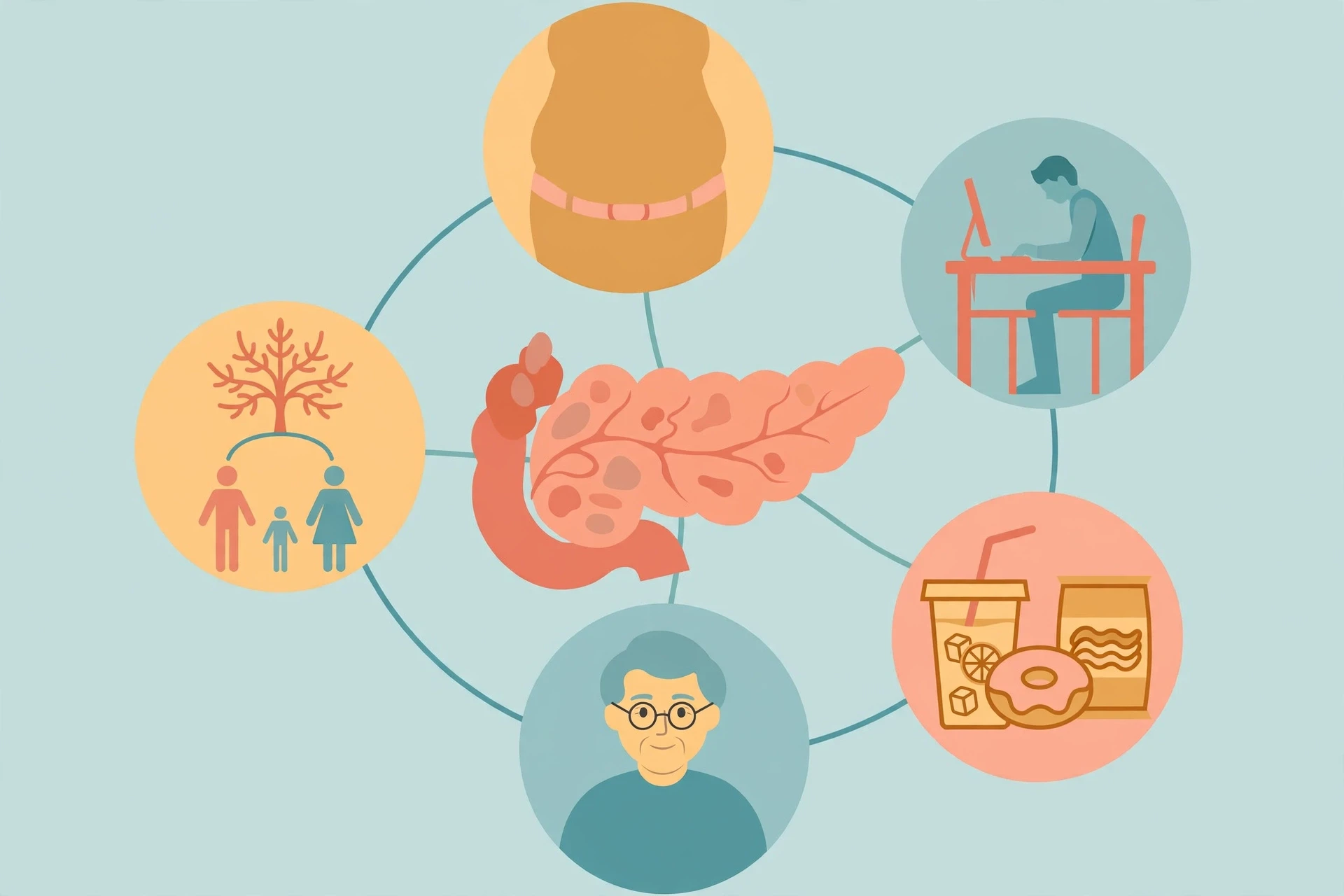
Excess body fat, especially around the belly. Fat tissue is active, releasing fatty acids and signalling molecules that interfere with how insulin works. Fat stored deep around the organs is particularly linked to resistance — our comparison of visceral fat and subcutaneous fat explains why where fat sits matters as much as how much there is.
Too little movement. Muscle is the body's biggest consumer of glucose. When muscles contract during activity, they take up glucose even without much insulin. Sitting all day removes that helper pathway, so the pancreas has to do all the work alone.
A diet heavy in refined carbohydrates and sugary drinks. Frequent spikes of glucose demand frequent bursts of insulin, and over time the system adapts by becoming less sensitive.
Genes and family history. Some people inherit a pancreas that is less able to compensate, or cells that become resistant more easily. Genes load the gun, as the saying goes, but lifestyle often pulls the trigger.
Age. Risk rises with age, especially after 45, partly because muscle mass falls and fat tends to accumulate around the middle.
Sleep and stress. Short sleep and chronic stress raise hormones that push blood sugar up and make cells less responsive to insulin. These are not minor footnotes; in the clinic, they show up again and again.
3.3 The liver joins in
Most people picture diabetes as a pancreas problem, but the liver plays a large and underappreciated role. The liver stores glucose and releases it between meals to keep blood sugar steady. In insulin resistance, the liver stops listening too. It keeps releasing glucose even when blood sugar is already high — like a tap left running while the sink is overflowing. This is one reason fasting blood sugar is often the first number to rise. It is also why fatty liver and type 2 diabetes travel together so often; the same metabolic strain that fills the liver with fat also blunts its response to insulin. Our article on fatty liver, diet and lifestyle looks at that connection in detail.
4. The Symptoms: What to Watch For
4.1 Why the early signs are so easy to miss
The symptoms of type 2 diabetes often come on slowly, and many people live with the condition for years without knowing it. That is not because the symptoms are subtle in an absolute sense — thirst that wakes you at night is not subtle — but because each one, taken alone, has a dozen innocent explanations.
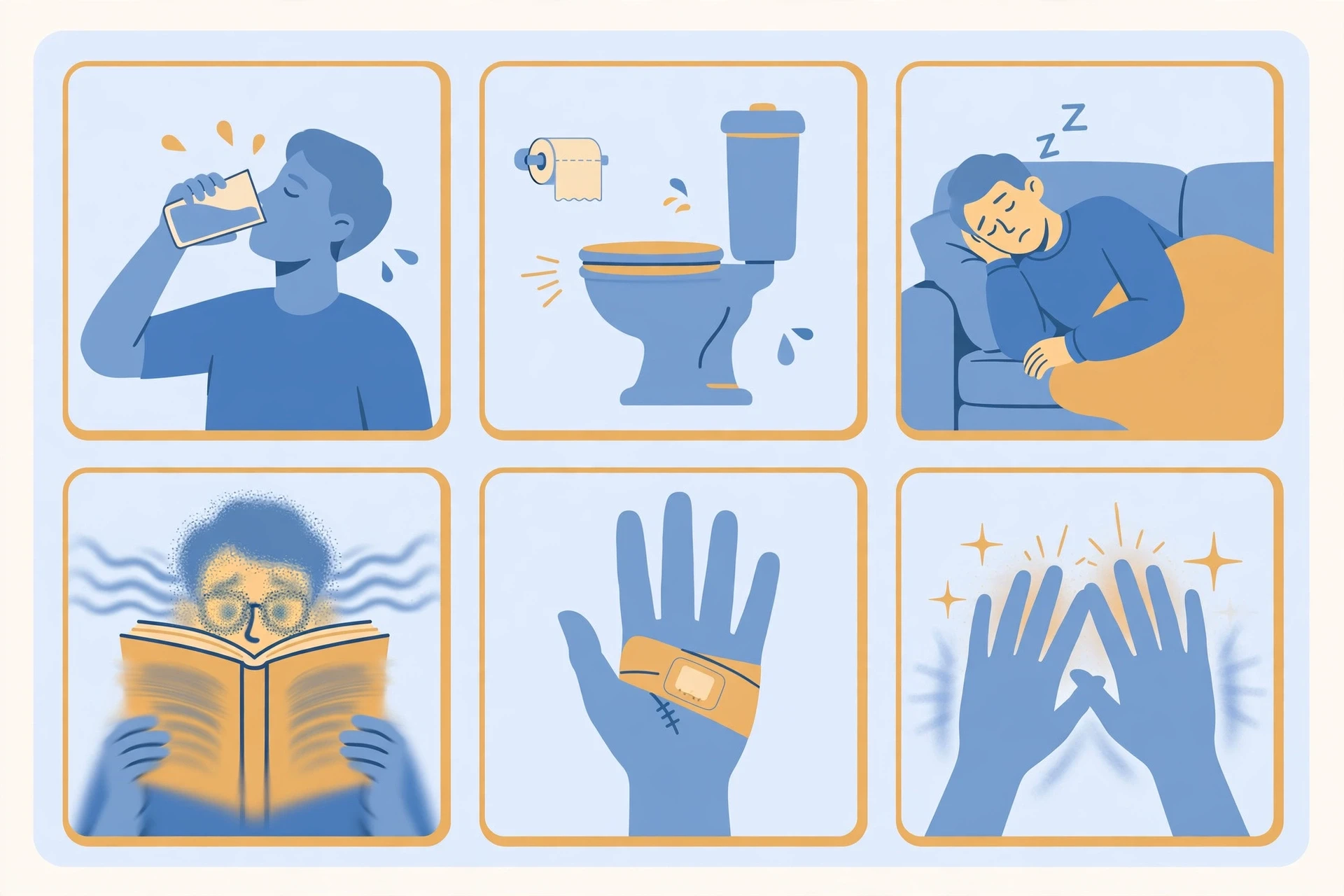
According to the Mayo Clinic, the symptoms to watch for include more thirst, more urination, more hunger, weight loss, tiredness, blurred vision, slow-healing sores, frequent infections, numbness or tingling in the hands or feet, and areas of darkened skin, most often in the armpits and neck. The National Institute of Diabetes and Digestive and Kidney Diseases (NIDDK) describes the same pattern: type 2 diabetes develops slowly, and many people have no symptoms at first.
Here is how those symptoms actually feel, one by one:
Unusual thirst and frequent urination. When blood sugar is high, the kidneys work overtime to flush the extra glucose out in urine, pulling water with it. You drink more, you urinate more, and the cycle repeats — including waking up two or three times a night.
Hunger that does not quit. Cells starved of glucose send hunger signals even after a meal. People describe eating a full dinner and feeling hungry again an hour later.
Tiredness. If glucose cannot get into cells efficiently, the body's fuel supply is unreliable. The result is a heavy, flat fatigue that sleep does not fix.
Blurred vision. High blood sugar can pull fluid into the lens of the eye, changing its shape and blurring vision. It often comes and goes, which makes it easy to blame on tired eyes or a new screen.
Slow-healing cuts and frequent infections. High blood sugar impairs circulation and the immune response, so small wounds linger and infections — skin, urinary, gum — recur.
Numbness or tingling in hands and feet. Over time, high blood sugar damages nerves, often starting at the toes and fingers. Early on it may feel like pins and needles that come and go.
Darkened patches of skin. Velvety dark patches, usually on the neck or armpits, can be a visible sign of insulin resistance. Doctors call this acanthosis nigricans, and it is worth showing to a clinician rather than covering up.
Unexplained weight loss. When cells cannot use glucose, the body starts breaking down fat and muscle for energy. Losing weight without trying sounds like good news to many people; in this context it is a warning sign.
4.2 A story about the symptom everyone dismisses
A clinician I spoke with while researching this article told me about a patient — a taxi driver in his fifties — who came in because his vision had gone blurry on night shifts. He assumed he needed glasses. His blood sugar was far above the diabetes threshold, and looking back, he could suddenly name a year of clues: the water bottle he kept in the cab, the night-time bathroom trips, the cut on his foot that took a month to close.
That is the practical lesson of this section. One symptom is usually nothing. Several together, persisting for weeks, deserve a blood test. A simple blood test is cheap, quick, and definitive in a way that worry is not.
4.3 When to see a doctor
See a healthcare professional if you notice several of the symptoms above, especially if they persist for more than a few weeks. Seek care promptly if you have very high thirst with frequent urination, unexplained weight loss, or wounds that will not heal. And if you have risk factors — a parent or sibling with type 2 diabetes, excess weight, high blood pressure, or a history of gestational diabetes — ask about screening even if you feel fine. Finding diabetes early, or catching prediabetes, changes everything about what can be done next.
5. Causes and Risk Factors
5.1 The two core problems
The Mayo Clinic summarises the cause of type 2 diabetes as two linked problems: cells in muscle, fat and the liver do not respond to insulin as they should, and the pancreas cannot make enough insulin to keep blood sugar in a healthy range. Being overweight and not moving enough are key factors. That short summary is worth holding in mind, because every risk factor below feeds into one or both of those problems.
5.2 Risk factors you cannot change
Some risk factors are fixed, and knowing them is useful — not as a sentence, but as a reason to be screened earlier and more often:
Family history. Having a parent or sibling with type 2 diabetes raises your risk.
Age. Risk rises with age, mainly after 35 to 45.
Ethnicity. For reasons researchers still do not fully understand, people of Black, Hispanic, Native American, Asian and Pacific Islander backgrounds develop type 2 diabetes more often than white people at the same body weight.
History of gestational diabetes. Diabetes during pregnancy, or giving birth to a baby weighing more than about 4 kilograms (9 pounds), raises later risk.
Polycystic ovary syndrome (PCOS). This condition, which involves irregular periods, excess hair growth and weight gain, is linked to insulin resistance.
None of these is destiny. I have met people with a strong family history who never developed diabetes, and people with no family history at all who did. Genes set the starting line, not the finish.
5.3 Risk factors you can change
This is where the story turns hopeful, because the strongest risk factors are also the most changeable:
Excess weight, especially around the waist. The Mayo Clinic notes that risk is higher when waist size exceeds about 40 inches (102 cm) for men and 35 inches (89 cm) for women. Belly fat is metabolically active in ways that hip and thigh fat is not.
Physical inactivity. The less active a person is, the higher the risk. Activity helps muscles use glucose and improves insulin sensitivity directly, even before any weight is lost.
Diet pattern. Diets high in refined grains, sugary drinks, processed meats and low in fibre are linked to higher risk. The details matter less than the pattern: whole foods, fibre, and steady energy rather than spikes.
Blood lipid levels. Low HDL ("good") cholesterol and high triglycerides travel with insulin resistance, and both are shaped by diet, activity and weight.
High blood pressure. Blood pressure and blood sugar share many of the same drivers, and each makes the other harder to manage. Our guide to high blood pressure management covers the overlap in practical terms.
Smoking. Smoking worsens insulin resistance and sharply raises the risk of the blood-vessel complications of diabetes.
5.4 The misconception I hear most often
Most people assume type 2 diabetes is caused by eating too much sugar. What the research actually shows is more layered. Sugar alone does not cause diabetes in a lean, active person with no family history. What sugar does — especially in sugary drinks, which deliver a fast glucose load with no fibre to slow it down — is push weight up, push blood sugar up repeatedly, and strain the insulin system over years. The cause is the pattern, not a single food. That matters because it means the fix is also a pattern, not a single banned ingredient. People who frame it as "I just need to quit sugar" often miss the bigger levers: overall weight, daily movement, sleep, and the quality of the whole diet. Understanding macronutrients — how carbohydrate, protein and fat each affect blood sugar — helps here more than any single rule about sugar.
6. Type 1 vs Type 2: How They Differ
The confusion between the two main types of diabetes causes real problems — people with type 2 are told they "brought it on themselves," and people with type 1 are told to "just eat better," which cannot help an autoimmune condition. The table below sets out the differences clearly.
Feature | Type 1 diabetes | Type 2 diabetes |
|---|---|---|
What goes wrong | Immune system destroys insulin-making cells in the pancreas | Cells resist insulin; pancreas gradually cannot make enough |
Insulin production | Little or none | Often high at first, then falls over years |
Typical age of onset | Childhood or young adulthood, but can appear at any age | Usually after 35, but increasingly seen in younger adults and teenagers |
Main risk factors | Genetics and immune triggers; cause not fully understood | Excess weight, inactivity, diet pattern, family history, age |
Can it be prevented? | No known prevention | Often delayed or prevented with lifestyle changes |
Treatment | Insulin always required | Lifestyle first; medicines and sometimes insulin as needed |
Share of all diabetes cases | A small minority | The large majority of cases |
7. How Doctors Test for It — and the Prediabetes Window
7.1 The tests, in plain language
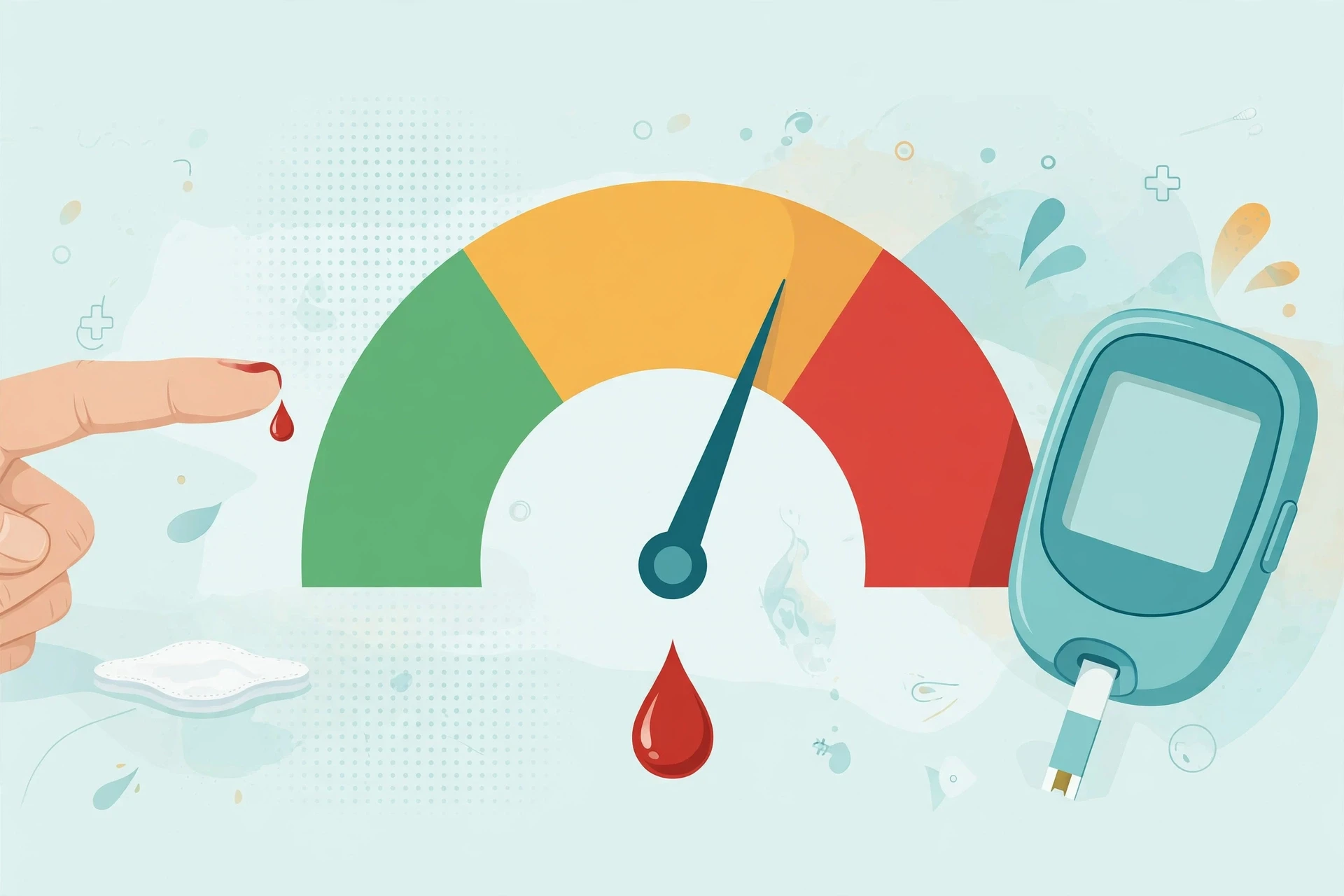
Diagnosis rests on blood tests, not on symptoms alone. The three tests clinicians use most are:
Fasting blood glucose. Blood sugar measured after not eating overnight. A high fasting value points to the liver releasing too much glucose.
HbA1c. A blood test that reflects average blood sugar over the previous two to three months, because it measures how much glucose has attached to red blood cells. It is the test most often used for diagnosis and for tracking control over time.
Oral glucose tolerance test. Blood sugar measured before and after drinking a sugary solution, showing how well the body handles a glucose load.
MedlinePlus, the US National Library of Medicine's patient resource, explains these tests and the steps of diagnosis in clear language, and it is a good page to read before an appointment so you know what to expect.
7.2 Prediabetes: the warning light
Prediabetes means blood sugar is above normal but below the diabetes threshold. It usually causes no symptoms at all, which is why it is found by testing rather than by feeling unwell. The important fact is that prediabetes is not a mild curiosity — left alone, it often progresses to type 2 diabetes. But it is also the stage where lifestyle change has the biggest effect. Large prevention trials have consistently found that structured lifestyle programmes — modest weight loss, more activity, healthier eating — cut the rate at which prediabetes becomes diabetes. I find that genuinely encouraging: the same biology that makes the condition develop slowly also gives us a long runway to turn it around.
"Prediabetes is the last exit before the motorway." A researcher said that to a room of students years ago, and I have never forgotten it — because the earlier the warning is caught, the more exits remain open.
8. What Happens When Blood Sugar Stays High
8.1 Damage that accumulates quietly
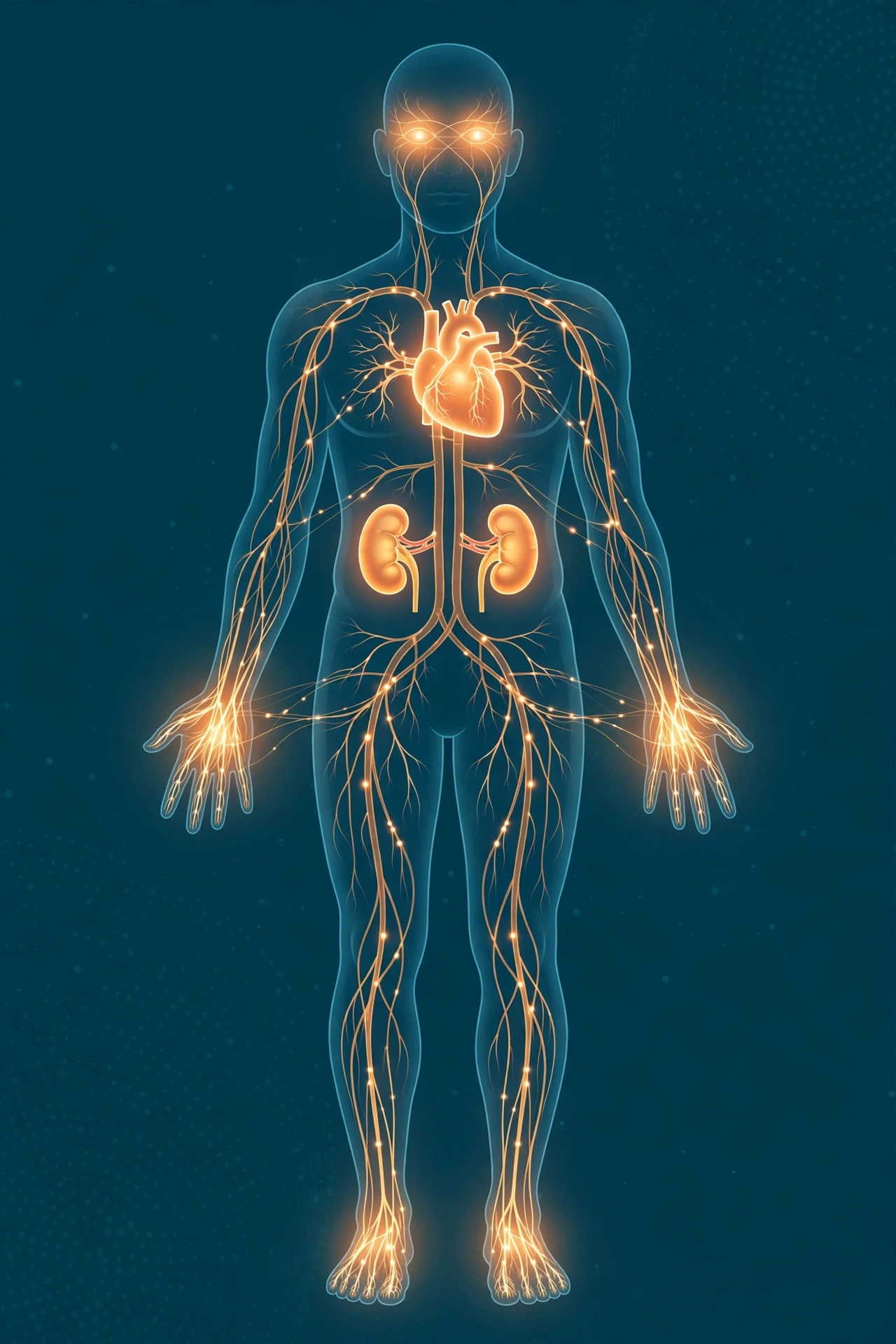
High blood sugar does not hurt the way a broken bone hurts. It damages slowly, through blood vessels and nerves, over years. The CDC and the Mayo Clinic describe the same set of complications, and they are worth knowing plainly, because they explain why early control matters so much:
Heart and blood vessels. Diabetes raises the risk of heart disease, stroke, high blood pressure and narrowed arteries. Heart disease is the most common serious complication, and it is why blood pressure and cholesterol matter as much as blood sugar in diabetes care. Readers worried about stroke risk may also want our article on the warning signs of stroke.
Nerves. Nerve damage, called neuropathy, often starts with tingling or numbness in the toes and feet and can spread upward. It can also affect digestion, heart rhythm and other organs.
Kidneys. The kidneys filter blood through tiny vessels that high blood sugar damages over time. Kidney disease can progress silently for years, which is why kidney function is checked regularly in diabetes care.
Eyes. Diabetes can damage the blood vessels of the retina, the light-sensing layer at the back of the eye — diabetic retinopathy — which can lead to blindness, and it is one of the reasons regular eye checks are part of diabetes care.
Feet. Poor circulation plus loss of feeling means small foot injuries can go unnoticed and heal slowly, sometimes becoming serious infections.
Skin and healing. Bacterial and fungal infections are more common, and wounds heal more slowly.
Hearing and thinking. Hearing problems are more common in people with diabetes, and poorly managed blood sugar is linked with faster loss of memory and thinking skills.
8.2 The honest balance
Listing complications can sound frightening, and I do not want to leave that impression without the other half of the picture. These complications develop over years of high blood sugar, and the risk falls sharply when blood sugar, blood pressure and cholesterol are kept in their target ranges, when smoking is avoided, and when checks are done regularly. Modern diabetes care is built around exactly that: catching problems early, when they are still treatable. The damage is real, but so is the ability to slow it.
9. Prevention: What Actually Works
9.1 The evidence in one sentence
Healthy lifestyle choices can help prevent type 2 diabetes, and for people with prediabetes, lifestyle changes can slow the condition or keep it from becoming diabetes. That is the Mayo Clinic's summary, and it matches what the CDC, the NIDDK and the World Health Organization all say. The details below are the practical version of that sentence.
9.2 Eat for steady blood sugar
The first time I tried to redesign my own eating around blood sugar, I made the classic mistake: I focused on what to remove. No bread, no rice, no fruit — a miserable week that taught me nothing except that willpower is a poor diet plan. What actually worked, and what the research supports, was rebuilding the plate rather than banning foods.
A useful pattern looks like this:
Half the plate vegetables and salad. Fibre slows digestion, blunts glucose spikes, and fills you up for very few calories.
A quarter lean protein. Fish, beans, lentils, eggs, poultry, tofu — protein steadies blood sugar and keeps hunger away longer.
A quarter whole grains or starchy vegetables. Whole grains, brown rice, oats, sweet potato — foods whose fibre slows the release of glucose.
Water instead of sugary drinks. Sugary drinks are the single easiest source of fast glucose to remove, and the evidence linking them to weight gain and diabetes risk is strong.
Healthy fats in place of saturated fat. Olive oil, nuts, seeds and oily fish, rather than large amounts of butter, fatty meat and fried food. Our article on foods that lower cholesterol covers many of the same foods, because the heart and the pancreas benefit from the same plate.
None of this requires a named diet. Mediterranean-style eating, the DASH pattern, and other whole-food patterns all perform well in studies. The shared features are what matter: fibre, whole foods, modest portions, and fewer ultra-processed products. Understanding how carbohydrate, protein and fat each affect blood sugar and fullness helps here more than any single rule about sugar.

9.3 Move every day — and sit less
The Mayo Clinic recommends 150 minutes or more a week of moderate to vigorous aerobic activity, such as brisk walking, cycling, running or swimming. That number is a target, not a starting line. What the research shows, and what I have seen in my own habits, is that the benefit starts far below 150 minutes, and that the type of movement matters less than the regularity.
Two kinds of movement help in different ways:
Aerobic activity — walking, cycling, swimming, dancing — burns glucose directly and improves insulin sensitivity for hours afterwards.
Strength work — bodyweight exercises, resistance bands, weights — builds muscle, and muscle is the body's largest glucose store. More muscle means more places for glucose to go.
And then there is the quiet villain: sitting. Sitting for long periods raises the risk of type 2 diabetes, and the Mayo Clinic advises getting up every 30 minutes and moving for a few minutes. I set a timer when I write. It feels absurd for about a week, and then it becomes automatic — a walk to the kitchen, a few stairs, a stretch. Small, repeated movement is the most underrated prevention tool we have.

9.4 Weight: modest loss, real effect
If you are overweight, losing some weight and keeping it off can slow prediabetes from becoming type 2 diabetes. For people with prediabetes, losing 7% to 10% of body weight is associated with a lower risk — for a person weighing 90 kilograms, that is roughly 6 to 9 kilograms. That is a far more reachable goal than the dramatic transformations shown in magazines, and it is worth saying so plainly, because unreachable goals help nobody.
What helps weight loss stick is rarely a crash diet. It is the boring, repeatable stuff: smaller portions, fewer sugary drinks, more fibre, regular meals instead of grazing, and activity built into the day. Some people also find structured approaches helpful, and research on meal timing and metabolic health is a genuinely interesting frontier worth following with a critical eye. Fasting is not a treatment for diabetes and should never be started without medical advice, especially for anyone already taking glucose-lowering medicines.
9.5 Sleep, stress, and the forgotten levers
Sleep and stress rarely make the headlines on diabetes prevention, but they belong in this article because they act directly on blood sugar. Short sleep — regularly under seven hours — raises stress hormones, increases appetite for high-energy food, and worsens insulin sensitivity the next day. Chronic stress does similar work through cortisol, a hormone that raises blood sugar. Practical steps are unglamorous: a regular sleep schedule, a dark cool bedroom, less screen light late at night, and some daily way of unwinding that is not food or alcohol. None of these is a cure. All of them make the main levers — food and movement — easier to pull.
9.6 Medicines and screening
For some people with prediabetes, doctors may prescribe metformin, a diabetes medicine, to lower the risk of type 2 diabetes — most often for older adults who are overweight and cannot lower blood sugar with lifestyle changes alone. That is a medical decision, not a lifestyle choice, and it belongs in a conversation with a clinician. Screening is the companion step: a blood test every few years after 35, or earlier if risk factors are present, is the cheapest way to catch prediabetes while it is still reversible.
10. Living Well With Type 2 Diabetes
A diagnosis is not the end of the story. Many people with type 2 diabetes live full, active lives, and modern care is designed around that fact. The daily work of management has four parts:
Monitoring. Checking blood sugar as advised, and having HbA1c measured regularly, so that you and your clinician can see patterns rather than guessing.
Food and movement. The same habits that prevent diabetes also manage it — steady meals, fibre, activity, and less sitting.
Medicines when needed. Metformin is often the first medicine, and other medicines or insulin are added if blood sugar stays above target. Needing medicine is not a personal failure; it is a recognition that the pancreas needs help.
Regular checks. Blood pressure, cholesterol, kidney function, eyes and feet are checked on a schedule, because catching problems early is when treatment works best.
I once asked a diabetes nurse what separated the patients who did well over ten years from those who struggled. She did not mention willpower. She said: "The ones who do well are the ones who check in — with us, with their numbers, with their feet. It is attention, not heroics." I think about that often. Diabetes rewards steady attention far more than dramatic gestures.
11. Common Mistakes and Misconceptions
"Only overweight people get type 2 diabetes." Weight is the strongest single risk factor, but a meaningful share of people with type 2 diabetes are not overweight — especially people of Asian background, who can develop insulin resistance at lower body weights, and people with a strong family history.
"Eating sugar causes diabetes." As discussed in Section 5.4, sugar alone is not the cause. The pattern of diet, weight and inactivity is.
"If I feel fine, my blood sugar must be fine." The condition is famously silent for years. Feeling fine proves nothing, and a blood test is the only way to know.
"Diabetes means I can never eat carbohydrates again." Carbohydrate is not poison; the type, the amount and the company it keeps — fibre, protein, fat — decide how blood sugar responds.
"Insulin means I have failed." Insulin is a tool, not a verdict. Some people with type 2 diabetes need it, some do not, and needing it says nothing about effort.
"Type 2 diabetes is mild diabetes." There is no mild version. Untreated, it damages the same organs as type 1. The good news is that it is also highly manageable.
12. Latest Research: Where the Science Is Heading
Research on type 2 diabetes is moving quickly, and three directions are worth watching. First, remission research: structured weight-loss programmes have shown that a substantial share of people with recently diagnosed type 2 diabetes can bring blood sugar back into the non-diabetes range without medicines, especially when weight loss is large and early — though blood sugar can rise again if weight returns. Second, new medicines: drugs originally developed for blood sugar control, including GLP-1–based medicines, have shown benefits for weight, heart and kidney outcomes. Third, continuous glucose monitoring: small sensors that read blood sugar through the day are moving from type 1 care into type 2 care, giving people and their clinicians a far clearer picture of how food, activity and sleep move blood sugar in real life.
Researchers still disagree on important questions: how much of insulin resistance is driven by fat in the liver versus fat in muscle, which diet pattern works best for which person, and how early treatment should be intensified. That uncertainty is normal science, not a reason for doubt about the core facts. The core is settled: insulin resistance plus a pancreas that cannot compensate, shaped by weight, activity, diet, genes and age — and prevention works.
13. What I Want You to Take Away
My friend from the phone call is doing well now. He walks every evening, he knows his numbers, and he tells anyone who will listen that the hardest part was not the diet or the walking — it was accepting that something could be seriously wrong while he felt fine. He checks his blood sugar, he keeps his appointments, and he has stopped treating the whole thing as a verdict on his character.
That is the message I would leave you with. Type 2 diabetes is common, it is serious, and it is also one of the most preventable chronic diseases we know. Its symptoms are quiet, its causes are understandable, and its prevention is built from ordinary things: food that steadies blood sugar, movement every day, sleep, a healthy weight, and a blood test before you feel ill. If you recognise yourself in the symptoms or the risk factors in this article, the next step is simple and cheap: ask your doctor for a blood sugar test. Knowing is the beginning of doing something about it.
Frequently Asked Questions
What are the first signs of type 2 diabetes?
The most common early signs are increased thirst, frequent urination (including at night), unusual tiredness, increased hunger, and blurred vision. Many people have no symptoms at all in the early stages, which is why blood tests matter more than waiting to feel unwell.
What causes type 2 diabetes?
Type 2 diabetes is caused by insulin resistance — the body's cells stop responding properly to insulin — combined with a pancreas that cannot make enough insulin to overcome that resistance. Excess weight (especially around the belly), physical inactivity, diet patterns high in refined carbohydrates and sugary drinks, family history, age and certain conditions such as PCOS all raise the risk.
Can type 2 diabetes be prevented?
Yes, often. Healthy lifestyle choices — eating well, being active for 150 minutes or more a week, losing modest amounts of weight if overweight, and not sitting for long periods — can help prevent type 2 diabetes, and can slow or prevent progression from prediabetes. There is no guarantee for any one person, but the evidence for prevention is strong.
What is the difference between type 1 and type 2 diabetes?
In type 1 diabetes, the immune system destroys the insulin-producing cells of the pancreas, so the body makes little or no insulin; it always requires insulin treatment and cannot be prevented. In type 2 diabetes, the body makes insulin but cells resist it, and the pancreas gradually cannot keep up; it is strongly shaped by lifestyle and can often be delayed or prevented.
Is type 2 diabetes curable?
There is no cure for type 2 diabetes. However, some people — especially those diagnosed recently — can bring their blood sugar back into the normal range without medicines through substantial weight loss and lifestyle change, a state doctors call remission. Blood sugar can rise again if weight returns, so ongoing attention is still needed.
What foods should I eat to lower my diabetes risk?
Focus on vegetables and salad, whole grains, lean protein such as fish, beans and lentils, healthy fats such as olive oil and nuts, and water instead of sugary drinks. Limit refined grains, sugary drinks, processed meats and large amounts of saturated fat. The overall pattern matters more than any single food.
Sources
Mayo Clinic. "Type 2 diabetes — Symptoms and causes." https://www.mayoclinic.org/diseases-conditions/type-2-diabetes/symptoms-causes/syc-20351193
National Institute of Diabetes and Digestive and Kidney Diseases (NIDDK). "Diabetes Overview." https://www.niddk.nih.gov/health-information/diabetes/overview/all-content
Centers for Disease Control and Prevention (CDC). "About Diabetes." https://www.cdc.gov/diabetes/about/index.html
MedlinePlus (US National Library of Medicine). "Type 2 Diabetes." https://medlineplus.gov/diabetestype2.html
World Health Organization (WHO). "Diabetes." https://www.who.int/news-room/fact-sheets/detail/diabetes