

Introduction: Three Hours That Felt Like Twenty Minutes
The first time it happened to me, I did not have a name for it. I was seventeen, sitting at a borrowed piano in a school hall after everyone else had gone home, working through a piece I had been struggling with for weeks. The left hand kept stumbling over the same passage, and I had promised myself I would fix it or give up. Then, somewhere around the third or fourth repetition, something shifted. My hands stopped feeling like separate things I had to command. The notes came in order without me checking each one. The hall, the cold bench, the clock on the wall — all of it fell away. When I finally looked up, the light through the windows had changed completely. Two hours had passed. It had felt like twenty minutes, and I was not tired. I was buzzing, the way you feel after good news.
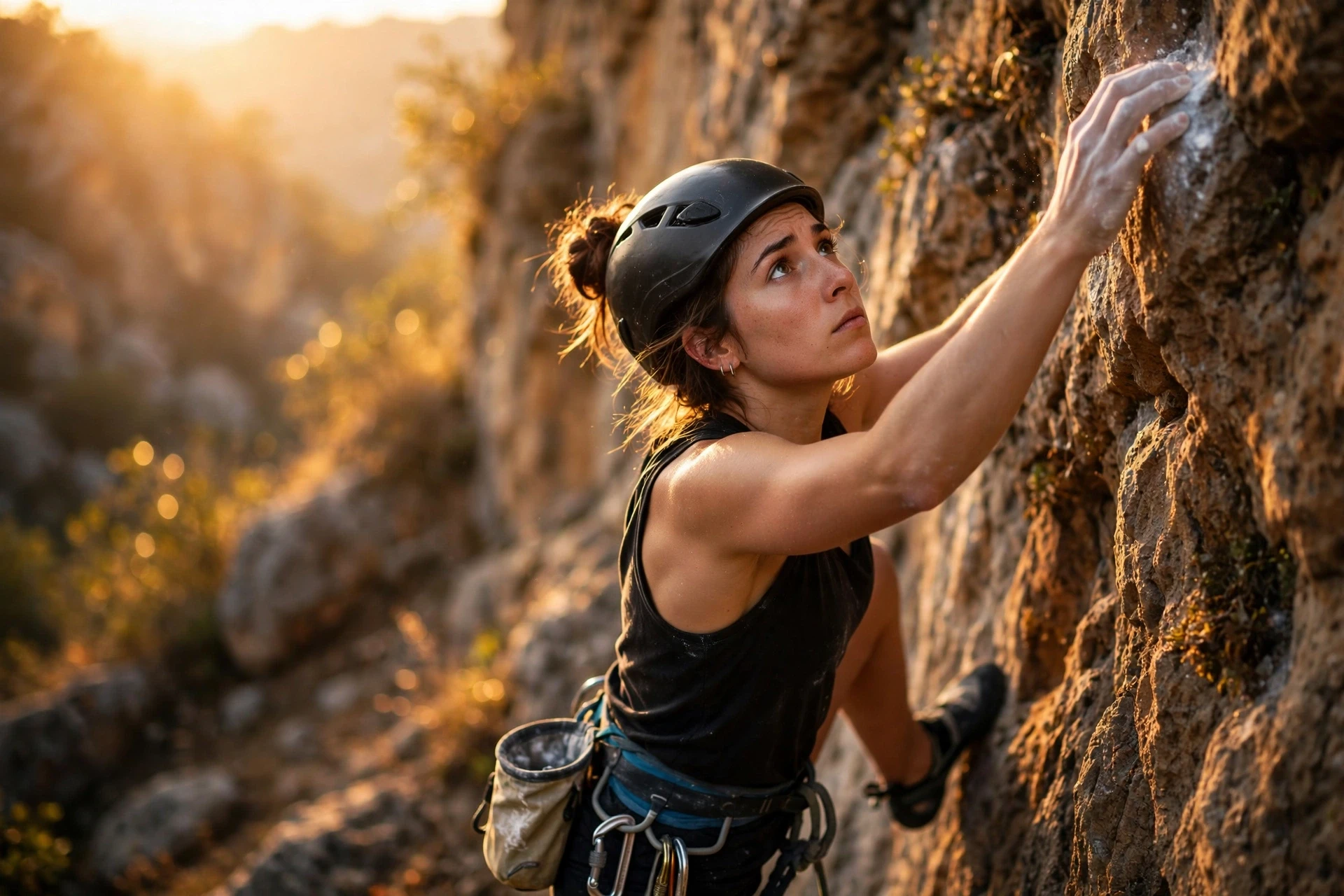
Years later I learned that psychologists have a name for that state, and that it has been studied for half a century. They call it a flow state — a period of complete absorption in an activity, where skill and challenge are matched, attention narrows to the task, and the experience itself becomes the reward. Athletes call it being "in the zone." Musicians talk about the music playing itself. Programmers talk about losing a whole evening to a problem that finally clicks. Surgeons, chess players, rock climbers, and factory workers have all described the same thing in different words: a stretch of time when effort feels effortless, self-consciousness drops away, and the work is its own payoff.
This article is about that state — what it is, how it was discovered, what happens in the brain while it lasts, and how to make it more likely in your own life. It is also about what flow is not. Flow is not a productivity hack, and it is not a mystical trance. It is a well-studied psychological phenomenon with clear conditions, measurable features, and honest limits. Some of what you have read about it online is oversimplified, and some of the neuroscience is still argued over by the people who study it. We will get to the arguments.
1. What Is a Flow State?
1.1 A definition that actually helps
A flow state is a mental state of complete immersion in an activity, marked by energized focus, full involvement, and enjoyment of the process itself. The psychologist who named it, Mihaly Csikszentmihalyi, defined it as "the state in which people are so involved in an activity that nothing else seems to matter; the experience itself is so enjoyable that people will do it even at great cost, for the sheer sake of doing it."
That last clause matters. Flow is not about the result. A climber in a flow state is not thinking about the summit photograph. A writer in a flow state is not thinking about the book deal. The activity has become rewarding in itself — what psychologists call an autotelic experience, from the Greek words for "self" and "goal." The goal is the doing.
Three features show up in nearly every description of a flow state, whatever the activity:
Total concentration. Attention locks onto the task and stays there. Distractions fade, not because you force them away, but because there is no spare attention left to notice them.
A merging of action and awareness. You stop watching yourself do the thing and simply do it. The gap between deciding and acting closes. A tennis player stops thinking "now swing" and the swing happens.
A changed sense of time. Hours can feel like minutes, or a few seconds can stretch out. Time does not disappear; it stops being monitored.
If you have ever looked up from a task and been genuinely surprised by the clock, you have probably brushed against a flow state. The surprise is the signature. Ordinary concentration does not distort time that way.
1.2 "In the zone" is the same state, in sports language
Athletes were describing this state long before psychologists named it. A basketball player who cannot miss, a goalkeeper who seems to know where the ball is going before it is kicked, a sprinter who feels the race slow down — these are flow states, described in the language of sport. Sports psychologists sometimes use the phrase "individual zone of optimal functioning," which is a related idea: each athlete has a level of arousal at which they perform best, and flow tends to arrive near that level.
The language differs, but the reports converge. Ask a climber, a pianist, and a surgeon to describe their best moments at work, and the same words keep appearing: absorbed, effortless, clear, timeless. That convergence is what first caught Csikszentmihalyi's attention. He wanted to know what these very different people had in common.
1.3 Why the topic matters now
Flow has moved from academic journals into everyday conversation, and the timing is not an accident. Modern work is fragmented — notifications, open-plan offices, meetings stacked on meetings — and the feeling of deep absorption has become rare. At the same time, the search for it has become a small industry, full of confident promises about "hacking" your way into the zone on demand. The science is more modest than the marketing, and more useful. Flow cannot be switched on like a light. But its conditions are known, and they can be arranged. That is a smaller promise, and it is one the evidence actually supports.
2. The Discovery: How Csikszentmihalyi Found Flow
2.1 The artists who would not stop
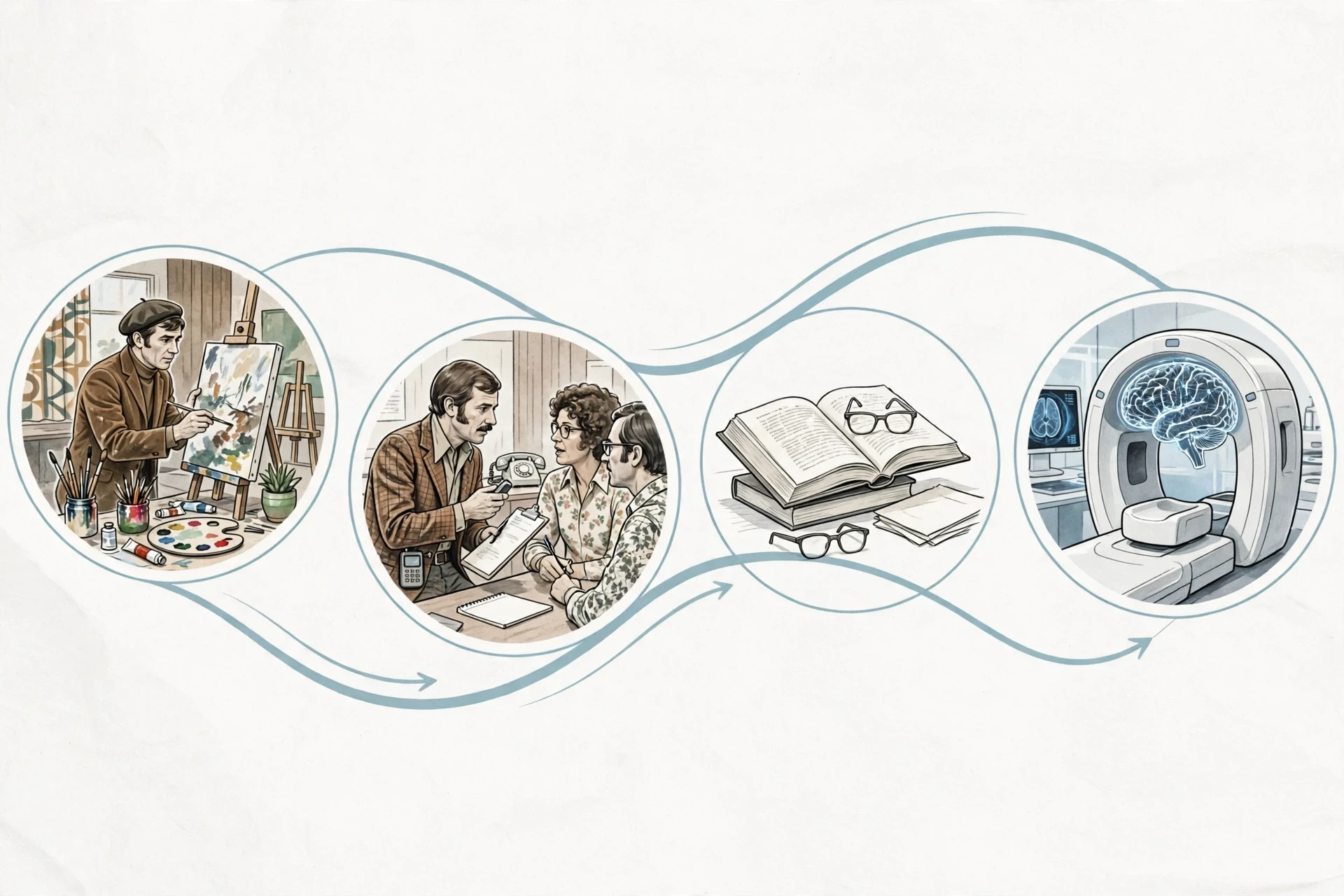
In the 1960s, Mihaly Csikszentmihalyi, a Hungarian-American psychologist then working at the University of Chicago, was studying creativity. He watched painters at work and noticed something odd. When a painting was going well, the artist would work for hours, forgetting food, fatigue, and everything else. The painting absorbed them completely. But once the painting was finished, the same artist would lose interest in it almost immediately — sometimes propping it against a wall and turning away. The finished work, the thing the world would value, seemed to matter less than the making of it.
That observation flipped the usual story about motivation. The standard account said people work for rewards: money, praise, status, a finished product. Here were people working hardest when the reward was furthest away, and losing interest the moment the reward arrived. Something else was driving them. Csikszentmihalyi spent the next decade interviewing people in all kinds of absorbing work — rock climbers, chess players, dancers, surgeons, factory workers — and found the same pattern everywhere. People described a state of total involvement that they valued for its own sake, and they used the same watery metaphor to describe it: they felt carried along, as if by a current. Csikszentmihalyi called it "flow."
I think about those painters whenever someone tells me they cannot understand why a person would spend years on a hobby that pays nothing. The painter at the easel is not confused about what matters. The making is the point, and the finished canvas is almost a byproduct. Once you have felt that, the usual language of effort and reward starts to look thin.
2.2 The experience sampling method
Csikszentmihalyi's early evidence came from interviews, and interviews have a weakness: people remember their best moments more vividly than their ordinary ones. To get past that, he and his colleagues developed a method that became one of psychology's most useful tools — the experience sampling method. Participants carried a pager (later a phone) that beeped at random times during the day. Each time it beeped, they wrote down what they were doing, who they were with, and how they felt: how concentrated they were, how much they were enjoying it, how challenging the activity felt, and how skilled they felt.
Over thousands of beeps from hundreds of people, a pattern emerged. The moments people rated as most enjoyable and most engaging were not the moments of rest or leisure. They were moments when the challenge of the activity was high and their skill was high too — when they were stretched, but not overwhelmed. That finding became the backbone of flow theory, and it has been replicated many times since. A 2022 scoping review of flow research, covering 252 studies published between 2000 and 2016, found the same core structure again and again: challenge matched to skill, clear goals, and clear feedback sit at the center of the flow state.
2.3 From a book to a field
Csikszentmihalyi published his first book on the subject, Beyond Boredom and Anxiety, in 1975. His best-known book, Flow: The Psychology of Optimal Experience, followed in 1990 and brought the idea to a wide audience. Flow became one of the founding concepts of positive psychology — the branch of psychology that studies what makes life worth living, rather than only what goes wrong with it. Today the idea shows up in sports coaching, workplace design, education, game design, and therapy. The core idea has survived fifty years of testing remarkably intact, which is rare for a psychological theory. What has changed is the detail: researchers now split the original list of features into conditions and components, argue about the brain mechanisms, and measure flow with better tools than a beeper and a notepad.
3. The Flow Channel: Where Challenge Meets Skill
3.1 The single most important diagram in flow theory
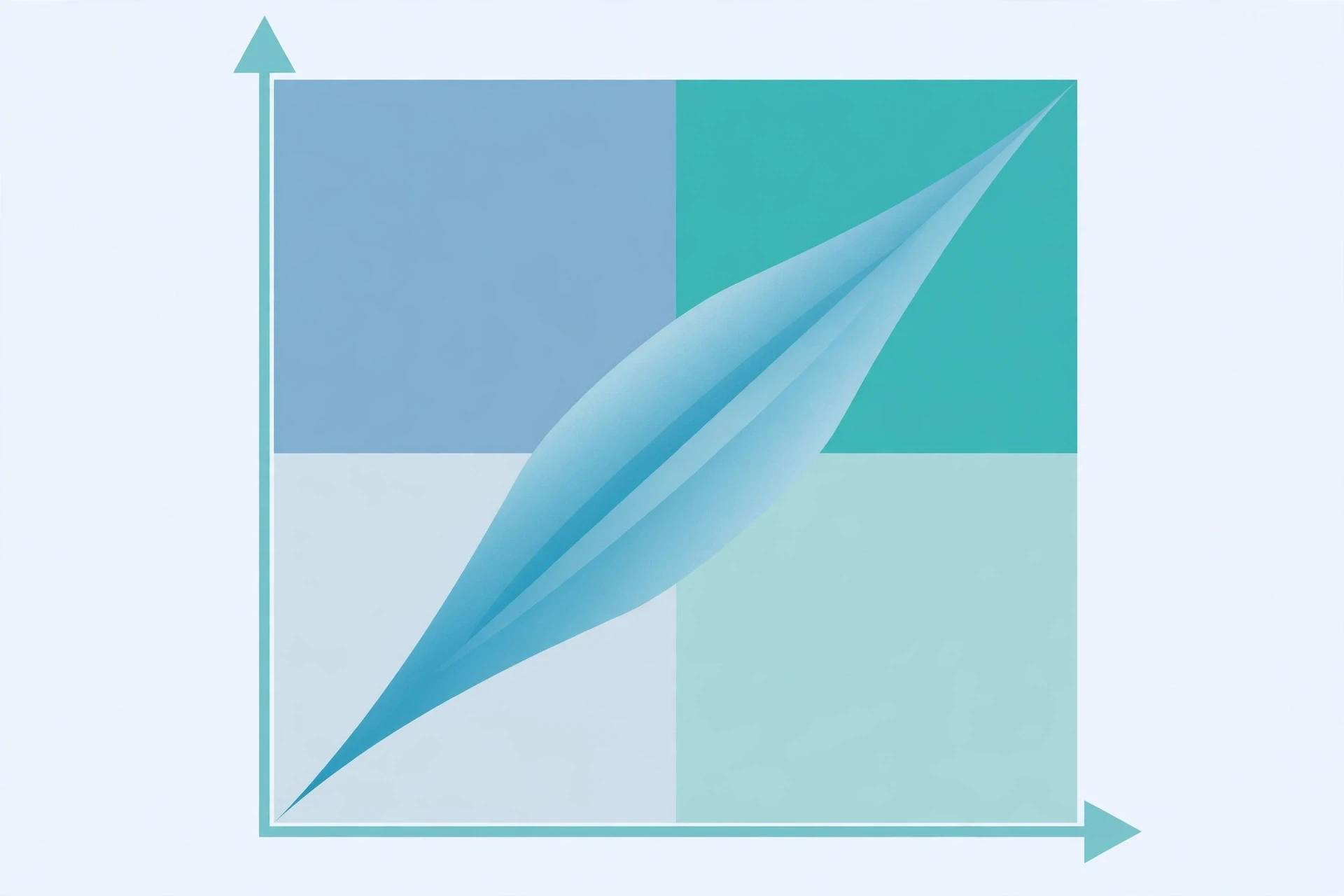
Everything in flow theory turns on one relationship: the balance between how hard a task feels and how capable you feel. Csikszentmihalyi drew this as a simple diagram — challenge on one axis, skill on the other — and it is still the best way to understand the flow state.
When challenge is low and skill is high, you get boredom. The task asks too little of you, attention wanders, and you start looking for stimulation elsewhere. When challenge is high and skill is low, you get anxiety. The task asks more than you can give, and attention floods with worry about failing. When both are low, you get apathy — the flat, drifting feeling of a task that neither stretches you nor matters to you. Flow lives in the channel between boredom and anxiety: challenge and skill both high, and roughly matched.
That last detail matters. Flow is not just any balance of challenge and skill. A simple task you have fully mastered can be balanced, in the sense that you can do it easily — but it will not produce a flow state, because it asks nothing of you. Flow needs both sides to be high. The task must stretch you, and you must be able to meet the stretch. The sweet spot sits just past comfortable: hard enough that you must concentrate fully, easy enough that the stretch feels possible. Some popular writing puts a number on this — a task about four percent beyond your current ability — but that figure is a teaching shorthand, not a measured constant. The honest version is simpler: slightly harder than easy, clearly short of impossible.
3.2 The channel moves as you improve
The flow channel is not a fixed place. It moves. As your skill grows, yesterday's perfect challenge becomes today's boredom. A piano piece that once absorbed you completely becomes something your fingers play on autopilot while your mind wanders. To stay in the channel, the challenge has to grow with you. This is why flow and learning are so closely linked: the state that feels best is also the state in which you improve fastest, because it keeps you working at the edge of what you can do. The memory systems that practice strengthens are covered in Sciory's guide to how the human brain forms memories.
The moving channel also explains why beginners rarely experience flow. A new climber on a difficult wall is mostly anxious. A new chess player is mostly confused. Flow needs a base of skill to stand on — enough automaticity that you are not fighting the basics while trying to meet the challenge. That is not a flaw in the theory. It is a prediction, and it matches what people report: flow becomes more frequent as you get better at something, then demands harder challenges to keep coming.
3.3 Anxiety, boredom, and apathy are information
Most people treat boredom and anxiety as problems to escape. Flow theory treats them as signals. Boredom says: this is too easy for you; raise the difficulty, add a constraint, or find a harder version. Anxiety says: this is too hard for you right now; shrink the scope, build the missing skill, or break the task into smaller pieces. Both signals point toward the channel. I have started using them that way in my own work. When I catch myself refreshing a page for the third time, I no longer ask "why can't I concentrate?" I ask "is this too easy, or too hard?" The answer is usually obvious once the question is asked, and the fix follows from it. If you want the deeper story of what anxiety does in the brain and how it is treated, Sciory's guide to anxiety and depression covers it in full.
4. The Nine Dimensions of a Flow State
4.1 Three conditions, six experiences
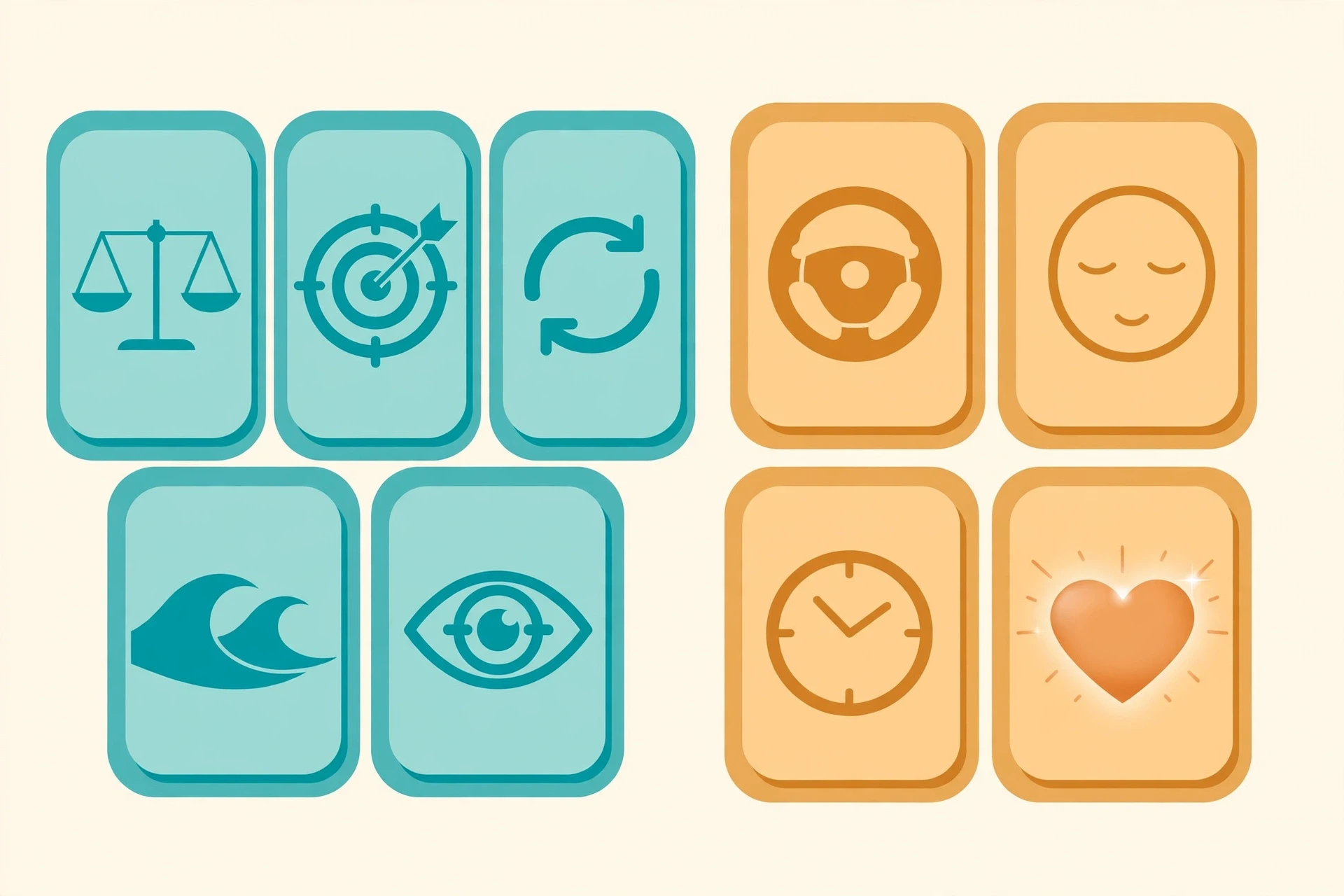
Csikszentmihalyi originally listed nine characteristics of a flow state. Later researchers, including Nakamura and Csikszentmihalyi themselves, split them into two groups: three conditions that make flow more likely, and six experiences that describe what flow feels like from the inside. The split is useful, because it separates the things you can arrange from the things you can only notice.
The three conditions are:
Challenge-skill balance — the task stretches you without overwhelming you (Section 3).
Clear goals — you know what you are trying to do, moment by moment. Not a vague ambition ("write a good chapter") but a concrete next step ("finish this scene before lunch").
Immediate feedback — you can tell, quickly, whether you are on track. A climber feels the hold or misses it. A musician hears the wrong note at once. A writer reads the sentence back and knows whether it works.
The six experiences are:
Merging of action and awareness — doing and noticing fuse into one thing.
Concentration on the task at hand — attention narrows and holds.
A sense of control — not control over the outcome, but a feeling that your actions can meet what the situation demands. Paradoxically, this often feels effortless rather than forceful.
Loss of self-consciousness — the inner critic goes quiet. You stop wondering how you look or what others think.
A transformed sense of time — time speeds up or slows down.
An autotelic experience — the activity is rewarding for its own sake.
No single episode of flow contains all nine in equal measure. A short burst of flow during a run might carry concentration, time distortion, and enjoyment, with only a faint sense of control. A long stretch of flow at a workbench might carry all nine at full strength. The list is a description of the territory, not a checklist you must tick before the state counts.
4.2 Clear goals and fast feedback: the two you can build
Of the three conditions, two are directly under your control, and they are the ones most people neglect. Clear goals sound trivial until you try to work without them. "Work on the report" is not a goal; it is a fog. "Draft the three paragraphs that explain the delay, in the next forty minutes" is a goal — you will know, minute by minute, whether you are doing it. Flow needs that kind of clarity, because the state depends on knowing what to do next without stopping to decide.
Feedback works the same way. Activities with built-in feedback — sports, music, games, craft — produce flow more easily than activities where feedback arrives late or never. A tennis player knows within a second whether the shot landed. A writer may wait weeks for an editor's verdict. That delay is one reason desk work produces flow less often than it could, and it is also the reason small feedback loops help so much: a checklist that fills in, a draft read aloud, a colleague's quick reaction. You are not adding bureaucracy. You are giving your brain the signal it needs to stay in the state.
4.3 Losing yourself — and finding the work
The loss of self-consciousness is the dimension people find most surprising, and most precious. In ordinary life, a part of the mind is always watching: am I doing this well, what will they think, do I look foolish? In a flow state, that watcher goes quiet. It is not that you lose awareness — you are intensely aware of the task. You lose awareness of yourself as an object being judged. A dancer stops worrying about the audience and becomes the dance. A surgeon stops rehearsing the case review and becomes the operation.
This is also why flow feels like relief. Self-monitoring is expensive. It burns attention and generates worry. When it drops away, the attention it was consuming becomes available for the task, and the worry goes with it. People often describe the feeling afterwards as freedom, or lightness. They are describing a real economy: the mind has stopped spending energy on itself.
There is a second, quieter point here. The loss of self-consciousness in flow is temporary and selective. You do not forget who you are, and you do not lose the ability to notice danger. A climber in a flow state still notices a loose hold. What drops away is the commentary — the running narration about the self — not the awareness itself.
4.4 The paradox of control
The sense of control in flow is strange, because it does not feel like control at all. People in flow rarely say "I was in control." They say things like "it just happened" or "I didn't have to think about it." What they mean is that the usual gap between intention and action had closed. They were not wrestling the task into submission. They were meeting it, moment by moment, and their responses were adequate to what each moment asked.
That distinction matters, because it separates flow from dominance. A flow state is not a state of power over a task. It is a state of fit with a task — the way a key fits a lock, or a foot fits a shoe that was made for it. The feeling of effortlessness comes from the fit, not from force. When the fit breaks — when the challenge jumps or the skill falters — the feeling vanishes, and the wrestling returns.
5. Flow in the Brain: What Neuroscience Can and Cannot Say
5.1 The appealing story: transient hypofrontality
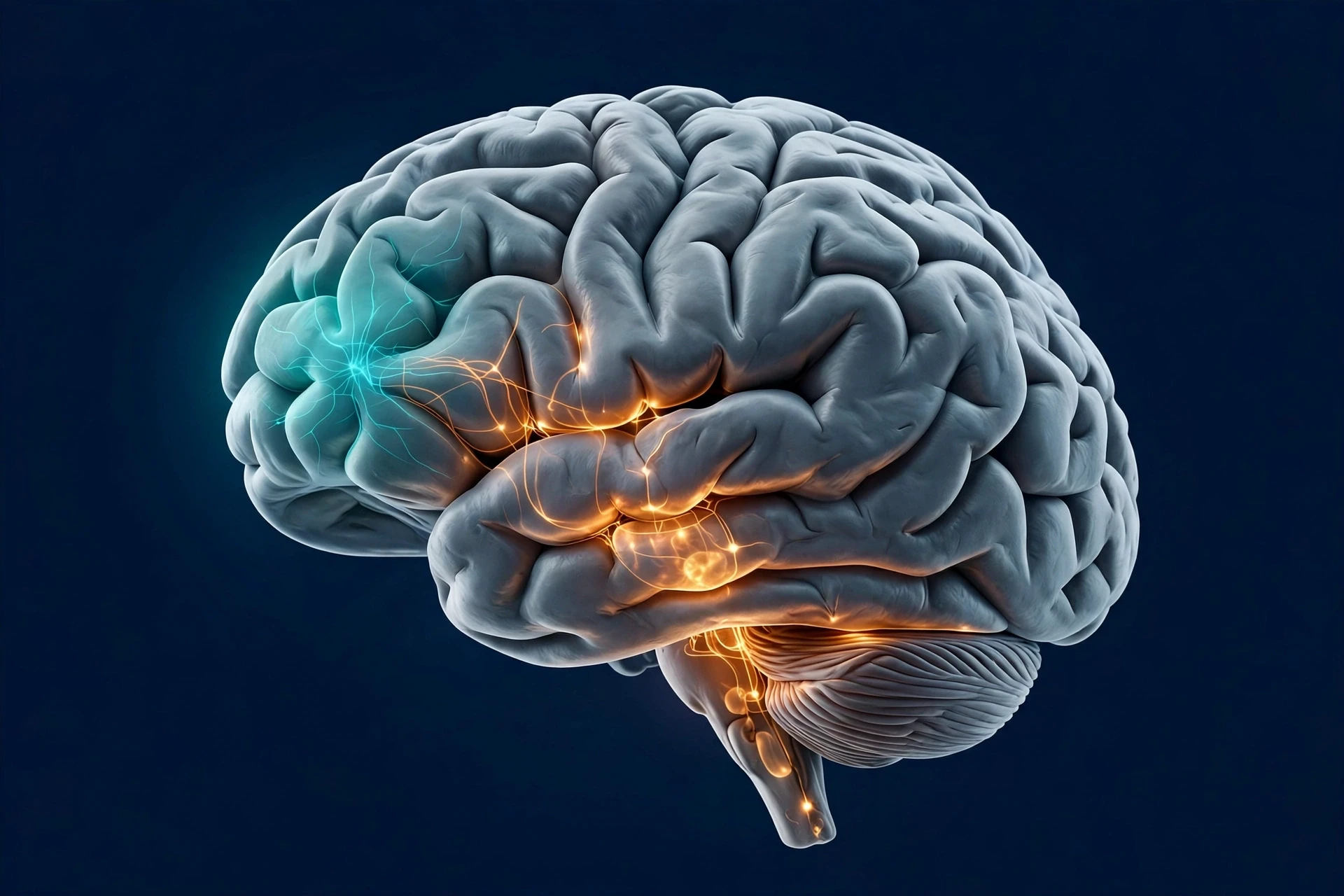
If you have read about the neuroscience of flow before, you have probably met one idea: transient hypofrontality. Proposed by the neuroscientist Arne Dietrich in 2003 and extended to flow in 2004, it says that during flow, activity in the prefrontal cortex — the brain region most involved in self-monitoring, deliberate planning, and the inner commentary — temporarily quiets down. With the explicit, analytical system dialled back, the implicit system — fast, automatic, built from practice and stored largely in the basal ganglia — takes over. The result would explain the signature features of flow in one stroke: the loss of self-consciousness (the self-monitoring prefrontal cortex is quiet), the merging of action and awareness (the implicit system acts without deliberation), and the effortlessness (no energy spent on second-guessing).
It is a beautiful story. It is also, as a settled fact, not established. That is not a criticism of Dietrich, who presented it as a hypothesis, not a finding. It is a warning about how the idea has travelled. A hypothesis that was offered carefully in a journal article has been repeated online as if brain scans had proven it. The truth is messier, and more interesting.
5.2 What the brain imaging actually shows
Studying flow in a brain scanner is genuinely difficult. Flow needs absorption, freedom of movement, and a task you care about. A scanner is loud, cramped, and boring, and it forbids most of the activities that produce flow. Researchers have still managed it, mostly with video games, mental arithmetic, and music improvisation — tasks that fit inside a scanner and can be tuned to each person's skill level. A 2025 review of flow neuroimaging studies pulled the results together, and the picture it paints is more selective than a simple "prefrontal shutdown."
Some studies do find reduced activity in parts of the prefrontal cortex during flow — especially the medial prefrontal cortex, which is involved in self-referential thought. But other frontal regions, including parts involved in focused attention and cognitive control, stay active or even increase. One well-known set of experiments by Ulrich and colleagues found decreased activity in the medial prefrontal cortex and the amygdala during flow, alongside increased activity in the inferior frontal gyri, the anterior insula, the basal ganglia, and the midbrain. That is a pattern of reallocation, not a shutdown: some frontal systems quiet while others work harder.
A recent EEG study of jazz musicians improvising found a similar nuance. High-flow improvisations were accompanied by decreased frontal lobe activity — consistent with the hypofrontality idea — but the effect was specific to self-monitoring regions, not the whole frontal lobe. The honest summary, then, is this: the evidence supports a selective quieting of self-monitoring during flow, combined with strong engagement of attention and task-relevant control systems. The simple version — "the prefrontal cortex switches off" — is wrong. The qualified version is real, and it is enough to explain the experience without overstating the science. The brain regions involved are covered in more detail in Sciory's human brain anatomy guide.
5.3 Dopamine, the reward system, and why flow feels good
A second line of neuroscience asks a different question: why does flow feel so good? Part of the answer involves the brain's reward circuitry. When an activity provides clear goals and immediate feedback, the brain can track progress moment by moment, and progress itself is rewarding — dopamine signalling in the reward system responds not only to the final outcome but to the sense of moving toward it. In a flow state, that signal fires continuously, in small doses, for as long as the activity lasts. That is one reason flow feels like its own reward: the brain is being paid in progress, not in prizes.
This is also where flow connects to motivation more broadly. Activities that deliver frequent, clear feedback create their own momentum. Activities that deliver feedback rarely — a long report, a slow research project — have to borrow motivation from elsewhere, usually from discipline or deadlines. One practical implication: if you want more flow in slow-feedback work, build small feedback loops into it. Finish a paragraph and read it aloud. Solve one sub-problem and check it. You are not indulging yourself. You are feeding the system that keeps you in the state. The same reward circuitry is involved in habit formation, which is why the routines that protect flow — the same time, the same place, the same first step — get easier with repetition. Sciory's guide to how habits form explains the loop in detail.
5.4 What we still do not know
Honesty requires a short list of open questions. Researchers still disagree about whether flow is one state or several — whether the flow a chess player reports is the same phenomenon, neurologically, as the flow a dancer reports. They disagree about how to measure it without breaking it: questionnaires after the fact rely on memory, and brain scanners distort the very conditions flow needs. And they disagree about how much of flow is the task and how much is the person — some people seem to find flow more easily than others, a trait Csikszentmihalyi called an "autotelic personality," but its basis is still unclear.
None of this makes flow unscientific. It makes it a live science, which is a different thing. The core findings — the challenge-skill balance, the role of clear goals and feedback, the nine dimensions — have held up across decades and hundreds of studies. The brain mechanisms are the frontier, not the foundation, and the frontier is supposed to be argued over.
6. Flow vs Mindfulness vs Hyperfocus vs "the Zone"
6.1 Four states that get confused
Flow is often confused with three neighbouring states, and the confusion is understandable: all four involve intense attention. But they differ in what the attention is doing, and the differences matter for anyone trying to find flow on purpose.
Mindfulness is open, non-judgmental attention to the present moment, including thoughts, feelings, and bodily sensations as they arise. It is receptive. Flow is absorbed attention directed at a task, with the self temporarily out of the picture. A mindful person notices their wandering mind; a person in a flow state does not have a wandering mind to notice. The two states can support each other — mindfulness training can improve the attentional control that flow needs — but they are not the same experience.
Hyperfocus is intense, narrow concentration that can be hard to break, often described in the context of ADHD. It shares flow's absorption, but it lacks flow's balance: hyperfocus can lock onto the wrong task, persist past the point of usefulness, and leave the person exhausted and disoriented when it breaks. Flow is absorbing but not compulsive. You can step out of a flow state; hyperfocus often has to be interrupted from outside.
"The zone" is not a different state at all. It is the sports world's name for a flow state, usually with an emphasis on peak performance under pressure. When a commentator says a player is "in the zone," they are describing flow in the context where the stakes are visible and the feedback is instant.
Most people assume that any deep concentration counts as flow, but what the research actually shows is that flow has a specific structure — high challenge, high skill, clear goals, immediate feedback — and concentration without that structure is something else. Naming the difference is practical: if you want mindfulness, you sit and observe; if you want flow, you pick a task at the edge of your ability and give it your full attention.
State | Attention | Goal | Self-awareness | How it ends |
|---|---|---|---|---|
Flow state | Narrow, absorbed in a challenging task | Clear, immediate, built into the task | Temporarily quiet — the inner critic drops away | Naturally, when the task ends or the challenge shifts |
Mindfulness | Open, receptive to the present moment | None — observation itself is the point | Heightened — thoughts and feelings are noticed | Deliberately, when the practice session ends |
Hyperfocus | Narrow, locked on, hard to redirect | Often unclear or incidental | Reduced, but so is awareness of time and needs | Often by interruption, fatigue, or an external demand |
"The zone" (sport) | Narrow, absorbed in performance | Clear, immediate — the score, the next play | Temporarily quiet, as in flow | Naturally, when the game or performance ends |
Table 1: Flow compared with mindfulness, hyperfocus, and "the zone." All four involve intense attention, but only flow combines high challenge, high skill, clear goals, and immediate feedback — and only mindfulness keeps self-awareness switched on.
6.2 Can mindfulness help you find flow?
Yes, indirectly, and the mechanism is straightforward. Mindfulness practice trains two capacities that flow depends on: sustaining attention on one thing, and noticing distraction quickly enough to return. People who practise mindfulness regularly tend to be better at both, which means they can hold the concentration a flow state requires and recover it faster when it breaks. What mindfulness does not do is create flow by itself. Sitting quietly and observing your breath will not produce the merging of action and awareness that defines flow, because there is no challenging task for action and awareness to merge around. Think of mindfulness as conditioning for the attention muscle, and flow as the performance the conditioning makes possible.
"Flow is not the absence of effort. It is effort so well matched to the task that it stops feeling like effort at all."
7. Why a Flow State Feels So Good — and What It Does for You
7.1 The reward is the activity itself
The most consistent finding in flow research is also the most counterintuitive: people value flow experiences more than the outcomes those experiences produce. In the experience sampling studies, people rated flow moments as the best parts of their day, even when the activity was hard work — a difficult climb, a demanding surgery, a long shift on a factory line made absorbing by a self-imposed challenge. The enjoyment came from the doing, not the finishing.
This is why flow matters for well-being, not just performance. Csikszentmihalyi's larger argument was that a good life is not built from passive pleasures — television, scrolling, snacking — but from active engagement with challenges that match our skills. Passive pleasures are easy to start and hard to remember. Flow experiences are hard to start and hard to forget. The people who report the most flow in their lives also tend to report higher life satisfaction, and the link runs through the structure of the experience: clear goals, feedback, and a challenge met. It is worth noting the boundary here. The science of what makes people happy in general — relationships, purpose, gratitude, and the rest — is a bigger topic, and Sciory's companion article on the science of happiness covers it. Flow is one ingredient in that larger picture, not the whole recipe.
7.2 Flow and performance
Flow is associated with better performance, and the reasons follow from its structure. Full concentration means fewer errors from distraction. Immediate feedback means mistakes are caught and corrected fast. The loss of self-consciousness removes the hesitation that comes from worrying about failure. And the merging of action and awareness means well-practised skills run without the interference of second-guessing. A pianist who stops monitoring each finger plays better, not worse, because the monitoring was slowing her down.
I saw this clearly once while watching a friend, an amateur potter, throw the same shape twenty times in an afternoon. The first few were careful and lumpy — she was thinking about her hands. The middle ones were smooth and quick — she had stopped thinking and was simply doing. The last few, when she was tired and started thinking again about whether the shape was good enough, went lumpy again. The difference was not skill. It was the presence or absence of the watcher. Performance follows attention, and flow is attention at its least divided.
There is a limit to this claim, and it should be stated plainly. Flow improves performance on tasks you are already skilled at. It does not substitute for skill. A beginner in a flow state is still a beginner, and a flow state during a task you do not understand will not produce good work — it will produce confident bad work. The state amplifies what is already there. It does not create competence from nothing.
7.3 Flow, stress, and recovery
A flow state also changes the body's stress response while it lasts. Attention is fully occupied, so the usual fuel for rumination — spare mental capacity — is unavailable. Stress hormones, including cortisol, tend to be lower during absorbing activity than during the same time spent worrying, and people report feeling restored afterwards rather than drained, provided the activity itself is not physically exhausting. This is one reason absorbing hobbies function as recovery: an hour of gardening, playing an instrument, or climbing can leave a person more rested than an hour of passive rest, because the mind was genuinely elsewhere.
The recovery effect has a condition, and it is easy to miss. Flow restores you when the activity is chosen and the challenge is matched. Flow that is forced — a deadline that demands twelve absorbed hours — can deplete rather than restore. The state itself is not restful; the fit between person and task is what makes it feel restorative. Readers who want the fuller picture of cortisol and chronic stress can find it in Sciory's guide to high cortisol symptoms, and the sleep systems that recovery depends on are covered in our guide to the science of sleep and dreams.

8. Flow at Work: Deep Work and the Modern Office
8.1 Why work produces flow so rarely
Most jobs contain the raw material for flow — hard problems, skilled people, meaningful goals — and yet most workers report flow only occasionally. The reason is structural. Flow needs uninterrupted time, clear goals, and immediate feedback, and the modern office is designed to provide none of these. The average knowledge worker is interrupted every few minutes, goals arrive as vague requests, and feedback comes in quarterly reviews. The conditions are missing, so the state is missing, and people conclude — wrongly — that they are bad at concentrating.
The fix is not a personality change. It is a redesign of the conditions, and the redesign can be small. A ninety-minute block with notifications off is a redesign. A written definition of "done" for the next hour is a redesign. A team agreement that nobody is expected to reply to messages instantly is a redesign. Each one restores a condition that flow needs.
8.2 The anatomy of a flow-friendly work session
A work session built for flow has five parts, and none of them is exotic:
One task. Not three tabs and a meeting in twenty minutes. One task, chosen before you start.
A clear, small goal. What will be true at the end of this block that is not true now? One section drafted, one bug fixed, one design decided.
A feedback loop you can see. A word count that climbs, a test suite that turns green, a sketch that takes shape. If the work gives no visible feedback, invent some: a checklist, a timer, a draft read aloud.
Difficulty set just past comfortable. If the task feels easy, add a constraint — a tighter deadline, a higher quality bar, a harder version. If it feels overwhelming, shrink the scope until the next step feels doable.
Interruptions removed in advance. Phone in another room, notifications off, door closed, colleagues told. Removing the possibility of interruption matters more than resisting each interruption as it comes, because each resistance costs the attention flow needs.
The most common mistake is to treat the last item as optional. It is not. Research on attention suggests it takes most people fifteen to twenty-five minutes of continuous engagement to settle fully into deep focus, and a single interruption can reset that clock. A flow state cannot be reached in ten-minute gaps between meetings. It needs a runway.
8.3 Procrastination is often a flow problem in disguise
Here is a connection that surprises people: the task you keep putting off may be a task whose flow conditions are broken. If the goal is vague, the feedback is distant, and the difficulty is either far too high or far too low, the task feels aversive — and aversion is what procrastination feeds on. I have found this true in my own work more times than I care to admit. The report I avoided for a week was not hard; it was unclear. Once I wrote down the first three paragraphs it needed and set a timer for forty minutes, the avoidance vanished, and the work itself turned absorbing. The procrastination was not laziness. It was a signal that the conditions were wrong. Sciory's guide to why we procrastinate explains the emotion-regulation side of that story in full, and it pairs naturally with this one: fix the conditions, and the emotion often follows.
9. Flow in Sport: The Zone Under Pressure
9.1 What athletes actually report
Athletes describe flow in the most vivid language of any group Csikszentmihalyi interviewed, and their descriptions have shaped how the state is understood. A tennis player talks about the ball looking bigger and slower. A basketball player talks about the hoop looking wider. A climber talks about the rock offering holds. These are not literal changes in vision. They are what total attention feels like from the inside: the relevant information stands out, the irrelevant information disappears, and action follows perception without a gap.
Sports psychologists have added an important nuance. Flow in sport is not the same as peak performance, though the two often travel together. An athlete can perform at their best without reporting flow, and can report flow in a performance that was not their best. The state is an experience, not a score. What flow reliably adds is the quality of the experience: the performance feels good, the effort feels right, and the athlete wants to do it again. That last part matters for a career. Athletes who experience flow regularly are more likely to keep training, and keeping training is what produces the skill that makes the next flow state possible.
9.2 The pressure problem
Sport also shows the hardest limit on flow: pressure. A flow state needs the self-monitoring system to quiet down, and pressure turns it up. A player who starts thinking about the crowd, the contract, or the championship is no longer in flow, whatever their skill level. This is why athletes develop pre-performance routines — the same bounce of the ball, the same breath, the same glance at the same spot. The routine is not superstition. It is a way of narrowing attention back to the task and giving the self-monitoring system nothing to chew on. It is the sporting equivalent of closing the door and putting the phone away.
9.3 Training for flow, not just for skill
Coaches who understand flow train the conditions, not only the technique. They set drills that are hard enough to demand full attention but achievable enough to give frequent success — the challenge-skill balance, built into practice. They give feedback immediately, not at the end of the week. And they protect the athlete's attention during competition by controlling what can be controlled: the warm-up, the routine, the first play. None of this guarantees a flow state. It makes the state more likely, and more likely is the only promise the science can honestly make.

10. Flow in Art and Music: Where the Idea Began
10.1 The painter, the potter, and the improviser
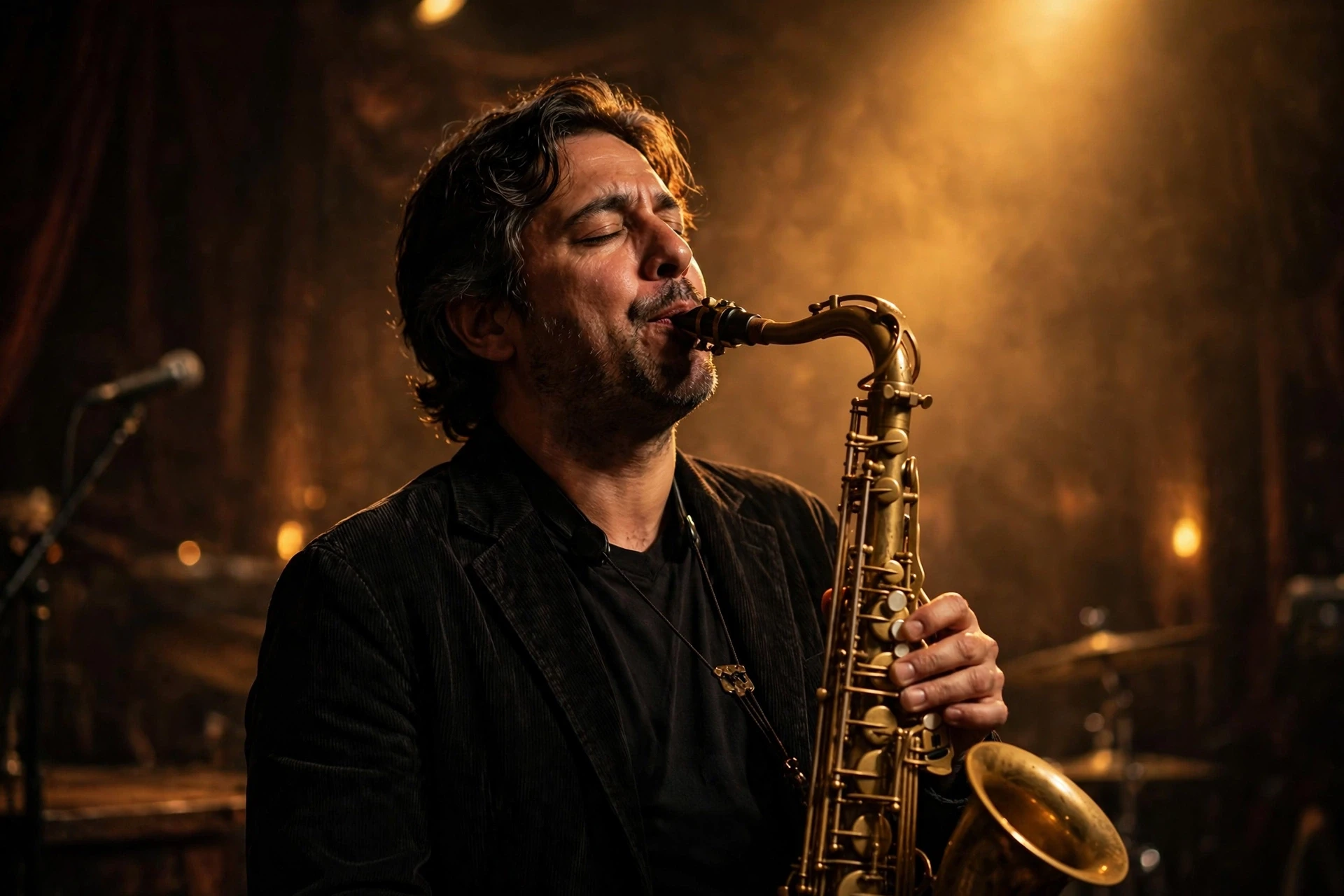
Flow research began with artists, and art remains the clearest window into the state. A painter mixing colour, a potter centering clay, a jazz musician improvising over a chord change — all three are doing something with immediate feedback (the colour is right or it is not, the clay holds or collapses, the note fits or clashes), clear moment-to-moment goals (this brushstroke, this phrase), and a challenge matched to years of skill. It is no accident that these are the activities people name first when asked where they find flow.
Music improvisation deserves a closer look, because it is where the neuroscience of flow has been studied most directly. An improvising musician must produce something new, in real time, that fits a structure — and must do it without stopping to plan each note. Brain imaging of improvising musicians has found the pattern described in Section 5: reduced activity in self-monitoring regions alongside strong engagement of the systems that produce and sequence the music. The musician is not thinking less. She is thinking differently — with the practised, automatic systems in charge and the critic quiet. When I was seventeen at that borrowed piano, I did not know any of this. I only knew that the piece started playing itself, and that I never wanted the feeling to end.
10.2 The audience problem
Art has one obstacle to flow that sport mostly avoids: the audience. A performer who becomes aware of being watched can lose the state in an instant, because awareness of being watched is self-monitoring by another name. Experienced performers learn to manage this, often by redirecting attention to the smallest unit of the task — the next note, the next line, the next brushstroke. The audience does not disappear. It simply stops being the thing attention is pointed at. Amateur performers who struggle with stage fright are often struggling with exactly this: attention pointed at the audience instead of the work. The remedy is the same in a concert hall as in an office — shrink the goal to the next small step, and let the feedback come from the work itself.
11. How to Find a Flow State: A Practical Method
11.1 Start with the conditions, not the state
The most important practical lesson from fifty years of flow research is also the simplest: you cannot chase a flow state directly. You can only arrange its conditions and wait. People who try to force it — who sit down and demand absorption — usually get frustration instead, because the demand itself is self-monitoring, and self-monitoring is what flow needs to be quiet. The method below is therefore a method for setting up conditions, not a switch for the state. Follow it, and flow becomes likely. Skip it, and you are relying on luck.
11.2 Seven steps that actually work
Pick one activity you are already good at — or good enough at. Flow needs a base of skill. Choose something where you can already do the basics without thinking hard about them: a sport you play regularly, an instrument you know, a craft you practise, a work task inside your competence. Beginners should build skill first; the flow will follow.
Define the session's goal in one sentence. "Write the opening of the report." "Play the piece through without stopping." "Climb the blue route cleanly." The goal should be small enough to finish in the session and specific enough that you will know when it is done.
Set the difficulty just past comfortable. If the task feels easy, add a constraint: a time limit, a quality bar, a harder variation. If it feels overwhelming, shrink it: one paragraph instead of a chapter, one phrase instead of a page. Aim for the feeling of "this will take everything I have, and I think I can do it."
Build feedback into the session. Choose activities where you can see progress as you work, or create a visible loop: a checklist, a timer, a draft you can read back, a practice partner who reacts. If you cannot tell whether you are on track, you cannot stay in the state.
Remove interruptions before you start. Phone in another room, notifications off, door closed, people told. Do this in advance, not when the first interruption arrives, because by then the state is already broken.
Give it an uninterrupted block of at least sixty minutes. Flow has a warm-up cost. Most people need fifteen to twenty-five minutes of continuous engagement before the state deepens, so a thirty-minute slot is barely enough. Ninety minutes is better. Protect the block as if it were a meeting with someone important — because it is, with yourself.
Use a short ritual to open the session. The same three or four actions, in the same order, every time: clear the desk, make the drink, open the file, start the timer. Rituals work because they tell the brain what is about to happen, and they replace the decision of "what now?" with a sequence that runs itself. Over time, the ritual itself becomes a trigger. This is where habits do their quiet work: the routine that gets you to the desk is what makes the flow state reachable at all, and Sciory's guide to how habits form explains why a small, repeated cue beats willpower every time.
11.3 What to do when it does not come
Some sessions will not produce a flow state, and that is normal. When it does not come, diagnose the conditions rather than blaming yourself. Ask four questions: Was the goal clear? Could I see my progress? Was the difficulty right? Was I actually uninterrupted? One of the four is usually the answer. Fix that one thing next time. A session that does not produce flow is not wasted — it is data about which condition was missing.
There is one more honest point. Some days, the conditions are right and flow still does not arrive, because you are tired, ill, or preoccupied. Flow needs a rested brain. A person who is sleep-deprived or running on empty will struggle to hold the concentration the state requires, whatever the setup. On those days, the right move is not to push harder but to recover — sleep, walk, eat — and try again tomorrow. The science of sleep and dreams explains why that advice is not laziness but physiology.

12. Common Misconceptions About Flow
12.1 "You can hack your way into flow on demand"
No. Flow has conditions, and conditions can be arranged, but the state itself is not a switch. Anyone selling a guaranteed method — a supplement, a soundtrack, a breathing pattern that promises flow in ten minutes — is selling certainty the science does not support. What works is slower and less exciting: build skill, set clear goals, arrange feedback, protect time. That is the whole method, and it is enough.
12.2 "Flow means working without effort"
Flow feels effortless, but it is not effort-free. The effort is real; it is simply well matched to the task, so it does not feel like strain. A climber in a flow state is working extremely hard. Her muscles are burning and her attention is fully spent. What she is not doing is spending additional effort on doubting herself, second-guessing, or fighting distraction. The effortlessness is in the absence of friction, not the absence of work.
12.3 "Flow is always good for you"
Not always. Flow is absorption, and absorption can attach to things that harm you. A gambler at a slot machine can experience something close to a flow state — clear goals, immediate feedback, a challenge matched to a (largely illusory) skill — and the state keeps them playing long past the point of sense. The same is true of endless scrolling, compulsive gaming, and workaholism: the structure of flow can hold attention on a task that does not deserve it. The state is not a moral judgement. It is a description of how attention works, and attention can be captured by bad tasks as easily as good ones. Choosing the task matters as much as finding the state.
12.4 "Only artists and athletes experience flow"
Csikszentmihalyi's interviews found flow in surgeons, factory workers, teachers, and office workers — anyone whose work had clear goals, feedback, and a challenge matched to skill. A nurse managing a busy ward, a mechanic diagnosing a fault, a teacher holding a difficult class: all of them can experience flow, and many do. The idea that flow belongs to creative people is a sampling error — artists were studied first, so they became the face of the idea.
12.5 "Flow and happiness are the same thing"
Flow contributes to happiness, but it is not the same as happiness. A flow state is absorbing and enjoyable, but it is narrow: it is about one activity, in one stretch of time. Happiness, as psychologists study it, is broader — it includes relationships, purpose, health, and the story you tell about your life. A person can have frequent flow and still be unhappy, if the rest of life is going badly. Flow is one ingredient, and a powerful one, but it is not the whole recipe.
12.6 "Losing track of time means you were in flow"
Time distortion is one feature of flow, not the whole definition. You can lose track of time while scrolling, daydreaming, or worrying — none of which is flow. The state requires the full structure: high challenge, high skill, clear goals, immediate feedback, and absorption in the activity itself. Time distortion on its own is just a sign that attention was somewhere else.
13. When Flow Goes Wrong: The Dark Side
13.1 Absorption has a cost
Flow's greatest strength — total absorption — is also its risk. A person in a deep flow state is not monitoring the wider world. A surgeon in flow is focused on the operation, which is exactly right, until the moment something outside the field of attention needs noticing. A driver in a flow-like state on a familiar road may miss a hazard. A climber in flow may push past the point where turning back was the wise choice. The state narrows attention by design, and narrowed attention misses things. That is not a reason to avoid flow. It is a reason to choose, in advance, which activities deserve it — and to build in external checks (a partner, an alarm, a rule) for activities where missing something could be dangerous.
13.2 Flow and addiction
The gambling example in Section 12 points to a real research concern. Activities designed to produce flow-like absorption — slot machines, certain video games, infinite feeds — can capture attention in ways that resemble flow's structure without its benefits. The feedback is immediate, the goals are clear, the difficulty adapts to keep you engaged. What is missing is the growth: the challenge does not build real skill, and the activity does not leave you better than it found you. Researchers who study flow are careful about this distinction. The state feels the same from the inside, but the activity it serves is what determines whether the experience is enriching or exploitative. If an activity leaves you absorbed for hours and empty afterwards, the structure was borrowed, not earned.
"The question is not only how to find flow, but where to find it. Absorption is a powerful state. Spend it on work that deserves it."
14. Conclusion: The Current Carries Those Who Prepare
The seventeen-year-old at the piano did not know the word for what happened that evening. She only knew that two hours had passed like twenty minutes, that the piece had finally played itself, and that she wanted the feeling again. Fifty years of research has given that feeling a name, a structure, and a set of conditions — and has also shown, honestly, where the science ends and the argument begins. The flow state is real. It needs challenge matched to skill, clear goals, and immediate feedback. It feels like absorption, effortlessness, and a quieting of the inner critic. The brain evidence points to a selective quieting of self-monitoring, not a shutdown, and the neuroscience is still being argued over — as it should be.
The practical lesson is the least glamorous part of the story, and the most useful. You cannot summon a flow state. You can only prepare for it: build the skill, define the goal, make the feedback visible, remove the interruptions, and protect the time. Then do the work, and let the state arrive when it arrives. When it does, it will feel like being carried by a current — the same current Csikszentmihalyi's interviewees described in the 1970s, and the same one a pianist feels when the notes stop needing to be checked. The current is real. The preparation is yours.
Frequently Asked Questions
What is a flow state?
A flow state is a mental state of complete absorption in an activity, where challenge and skill are matched, attention is fully focused, and the experience itself is rewarding. It was named by psychologist Mihaly Csikszentmihalyi, who defined it as the state in which people are so involved in an activity that nothing else seems to matter. Its hallmarks are total concentration, a merging of action and awareness, loss of self-consciousness, and a changed sense of time.
What are the 9 dimensions of flow?
The nine dimensions are: challenge-skill balance, clear goals, immediate feedback, merging of action and awareness, concentration on the task at hand, a sense of control, loss of self-consciousness, a transformed sense of time, and an autotelic experience (the activity is rewarding for its own sake). Researchers now group the first three as conditions that make flow likely, and the other six as experiences that describe what flow feels like from the inside.
How do you get into a flow state?
You cannot switch a flow state on directly. You arrange its conditions: pick one task that stretches your skills without overwhelming them, define a clear goal for the session, make sure you can see your progress as you work, remove interruptions before you start, and protect an uninterrupted block of at least sixty minutes. Flow becomes likely when those conditions are in place, but no method guarantees it.
Is flow state the same as being "in the zone"?
Yes. "In the zone" is the sports world's name for the same state — a flow state experienced during performance, usually under pressure, with instant feedback. Athletes describe the same features psychologists measure: total absorption, effortlessness, loss of self-consciousness, and a changed sense of time.
What is transient hypofrontality, and is it proven?
Transient hypofrontality is a hypothesis proposed by neuroscientist Arne Dietrich, suggesting that during flow the prefrontal cortex temporarily quiets down, letting fast, automatic systems take over. It is a hypothesis, not a proven fact. Brain-imaging studies support a more selective version: self-monitoring regions quiet while attention and task-relevant control systems stay active or increase. The simple version — the whole prefrontal cortex switching off — is not supported by the evidence.
Can flow be bad for you?
Flow itself is neutral — it is a description of how attention works — and it can attach to harmful activities. Gambling, compulsive gaming, and endless scrolling can produce flow-like absorption without any real skill growth or benefit. Flow also narrows attention, so it can make you miss things outside the task. The state is worth seeking in activities that build skill and matter to you, and worth watching for in activities designed to capture your attention.
How long does a flow state last?
There is no fixed length. Flow episodes in everyday life typically last from tens of minutes to a few hours, and they end when the task ends, the challenge changes, or an interruption breaks absorption. Longer sessions are possible when the conditions hold, but the state is not something you can extend by willpower alone — once the challenge-skill balance shifts or attention breaks, the state ends.
Sources
American Psychological Association — Flow. https://www.apa.org/topics/positive-psychology/flow
Psychology Today — Flow. https://www.psychologytoday.com/us/basics/flow
Peifer, C. et al. — A Scoping Review of Flow Research, Frontiers in Psychology (2022). https://www.frontiersin.org/journals/psychology/articles/10.3389/fpsyg.2022.815665/full
Frontiers in Behavioral Neuroscience — Enhanced functional connectivity between the default mode network and executive control network during flow states (2025). https://www.frontiersin.org/journals/behavioral-neuroscience/articles/10.3389/fnbeh.2025.1690499/full
Claremont Graduate University — Mihaly Csikszentmihalyi. https://www.cgu.edu/people/mihaly-csikszentmihalyi/
American Psychological Association — The Flow State (APA Monitor, 2022). https://www.apa.org/monitor/2022/01/special-flow-state