
1. The Bodyguard That Turned
She was twenty-seven, and she had been told for three years that she was stressed. The tiredness that made climbing one flight of stairs feel like a mountain. The joints that ached in the morning and loosened by lunch. The butterfly-shaped rash that appeared across her cheeks after a sunny afternoon. Three different doctors, three variations on the same answer: get more sleep, worry less, try yoga. Then a blood test came back with a result she had never heard of — antinuclear antibodies, strongly positive — and within weeks she had a name for what was happening to her. Lupus. Her immune system, the same system that had protected her from every cold and cut since childhood, was attacking her own skin, her own joints, her own kidneys.
I have heard versions of that story more times than I can count, and what strikes me every time is not the diagnosis itself but the delay. Years of symptoms, years of being told the problem was in her head, and then a single blood test that reframes everything. Autoimmune diseases are like that. They arrive slowly, they mimic a dozen other things, and they punish people twice — once with the illness and once with the doubt that comes before anyone believes them.
This article answers four questions, the same four that people type into search engines when the suspicion first forms. Why does the immune system attack the body? What causes autoimmune diseases? What are the types of autoimmune diseases? And how many autoimmune diseases are there? The answers are longer than a single sentence and more interesting than a list. They run through a school inside your chest bone, a molecule made only in women, a virus almost everyone carries, and a treatment that can delay a disease before it ever starts.
Here is the short version, before the detail begins. Autoimmune diseases are a family of more than eighty conditions in which the immune system loses the ability to tell the body's own tissues from foreign invaders and attacks them. Together they affect roughly one person in ten — about 10.2 percent of the population in the largest study ever done, a study of 22 million people in the United Kingdom. They strike women far more often than men, they run in families without being strictly inherited, and their numbers are rising. There is still no cure for most of them. But the last few years have brought something genuinely new: the first drug that can delay an autoimmune disease before symptoms appear, and experimental treatments that can reset the immune system entirely. That is the story this article tells.
1.1 The answer in short: what is an autoimmune disease?
An autoimmune disease is a condition in which the immune system attacks the body's own healthy cells, tissues, or organs, mistaking them for a threat. In a healthy body, the immune system distinguishes "self" from "non-self" with remarkable precision, destroying bacteria, viruses, and damaged cells while leaving healthy tissue alone. In autoimmune diseases, that distinction breaks down. Immune cells and antibodies that should target invaders instead target the pancreas, the thyroid, the joints, the skin, the gut, the nerves — or several of those at once.
The damage is not a one-off event. It is chronic, and it is what makes autoimmune diseases so hard to live with. The immune attack goes on for months and years, often in waves — periods of flare, when symptoms worsen, and periods of remission, when they quieten. Because the immune system is everywhere in the body, autoimmune diseases can touch almost any organ, which is why the family is so large and so varied. A disease that destroys the insulin-making cells of the pancreas and a disease that inflames the joints of the hands are both autoimmune diseases, even though they look nothing alike from the outside. What they share is the same underlying failure: tolerance has broken, and the body has become its own enemy.
2. What Autoimmune Diseases Actually Are
To understand autoimmune diseases, it helps to start with what the immune system is supposed to do, because the disease is best understood as a normal system doing its job on the wrong target. The immune system is not a single organ. It is a distributed network: white blood cells patrolling the blood and tissues, lymph nodes filtering what passes through, the spleen, the bone marrow, the thymus, and a chemical messaging system of antibodies and signalling molecules. Its daily work is enormous. Every day it destroys cells that have become infected, cells that have turned cancerous, and cells that have simply worn out. It does this without damaging the healthy tissue around them, and that selectivity is the whole trick.
The word that immunologists use for that selectivity is tolerance. Tolerance is the immune system's learned ability to ignore the body's own molecules. It is not built in at birth. It is taught, tested, and maintained throughout life, and it is taught in a surprisingly strict school. When tolerance works, you never notice it. When it fails, you get autoimmune disease.
Most people assume an autoimmune disease means the immune system is weak. That is the first misconception to clear away, and it matters, because it shapes how people think about treatment. An autoimmune disease is not a weak immune system. In most cases it is a strong, capable immune system that has been given the wrong address. The soldiers are fit and well-armed; they have simply been told the wrong building is the enemy's headquarters. That is why the oldest treatments for autoimmune diseases work by suppressing the immune system rather than boosting it — and why the search for better treatments for autoimmune diseases has become a search for precision rather than power — and why the newest treatments aim not to weaken the system but to re-teach it.
There is a second misconception worth clearing away early, because it causes real harm. Autoimmune diseases are not caused by stress, and they are not "all in your head." Stress can worsen symptoms, and it can coincide with the onset of a flare, but no credible evidence shows that stress alone causes the immune system to break tolerance. The woman in the opening story was not imagining her rash or her swollen joints, and the years she spent being told to relax were years in which her kidneys were quietly being damaged. The science in this article is, in part, the answer to that kind of dismissal: a measurable, physical explanation for symptoms that have too often been waved away.
Autoimmune diseases are also not contagious, and that is a fact worth repeating, because the fear of catching autoimmune diseases still keeps some people away from friends and family who have them. You cannot catch lupus from a friend, and you cannot give rheumatoid arthritis to your children by hugging them. They are not infections, even though infections can help trigger them. And they are not rare. That is the part that still surprises people. Taken one by one, each autoimmune disease looks uncommon. Taken together, they are among the most common chronic diseases on earth.
One more distinction belongs here, because it frames everything that follows. Autoimmune diseases are not the same as allergies, even though both involve the immune system overreacting. In an allergy, the immune system overreacts to something harmless from outside the body — pollen, peanuts, a bee sting. In autoimmune disease, the target is the body itself. The two can overlap — asthma and eczema often travel with autoimmune conditions — but the target is different, and so is the treatment. Allergies will get their own article in this cluster. Here, the enemy is within.
2.1 What autoimmune diseases are not
It is worth being precise about three things autoimmune diseases are not, because each one corrects a myth that patients hear regularly.
First, they are not a single disease. There is no one "autoimmune disease" any more than there is one "cancer." The family shares a mechanism — loss of tolerance — but each member has its own target, its own antibodies, its own pattern of damage, and its own treatment. A person with coeliac disease and a person with multiple sclerosis have almost nothing in common clinically, and their treatments are entirely different.
Second, they are not the result of a single cause. There is no one gene, no one virus, no one food, no one toxin that explains them. They arise from a combination — genetic susceptibility, plus environmental triggers, plus chance events inside the immune system itself. Anyone selling a single cause is selling something else.
Third, they are not a death sentence, and they are not a life sentence of constant suffering either. Many people with autoimmune diseases live full, active lives. The diseases are chronic, and they demand respect, but modern treatment has transformed the outlook for most of them over the last thirty years. Rheumatoid arthritis, which once routinely left people with deformed hands, is now often controlled so well that joint damage never happens. That progress is part of the story too.
3. How Many Autoimmune Diseases Are There?
Ask three experts how many autoimmune diseases there are and you will get three different numbers. That is not because anyone is guessing. It is because the question itself is harder than it looks.
The number most often quoted is more than eighty. The National Institutes of Health and the patient organisation once known as AARDA both use it, and it is the figure you will find in most textbooks. It is a solid, defensible answer: there are at least eighty conditions in which the immune system is proven to attack the body's own tissues.
But a study published in 2025 pushed the count higher. Researchers from the Mayo Clinic and the Autoimmune Registry examined electronic health records from more than ten million patients across six large American health systems and counted 105 distinct autoimmune diseases, using a list drawn from the standard textbook of the field. They found that about 15 million Americans — 4.6 percent of the population — had been diagnosed with at least one of those 105 conditions between 2011 and 2022. That study, published in the Journal of Clinical Investigation, was the first to measure the prevalence of autoimmune diseases as a category in the United States using one consistent method for every disease.
And some counts go higher still. Depending on how strict the evidence has to be before a condition earns the label "autoimmune," the total can reach 100, or 120, or even 150. The reason is that autoimmunity is not always black and white. Some diseases are clearly autoimmune — type 1 diabetes, where the immune system destroys the insulin-making beta cells of the pancreas, is as clear as it gets. Others sit in a grey zone. Inflammatory bowel disease, for example, involves the immune system attacking the gut, but whether the attack is the cause or the consequence of a damaged gut barrier is still debated. Some conditions are described as "autoimmune-related" or "immune-mediated" rather than fully autoimmune, and different researchers draw the line in different places.
New diseases are still being added. As laboratory tests improve and as researchers find autoantibodies in conditions nobody had connected to the immune system before, the list grows. A decade ago, few people would have called certain forms of epilepsy or certain psychiatric conditions autoimmune. Today, antibodies against brain proteins are recognised as the cause of some cases of encephalitis — inflammation of the brain — that were once a mystery. The number is not fixed because the science is not finished.
So the honest answer to "how many autoimmune diseases are there?" is this: more than eighty are firmly established, 105 were counted in the most careful American study to date, and the true number is probably higher, because the boundary between autoimmune and merely immune-involved is still being drawn. The rest of this article uses the figure of more than eighty as its headline, and treats the Mayo Clinic count of 105 as the most precise modern estimate.
3.1 Why the count matters less than the total
The exact number is a distraction from the more important point, which is the total burden. Whether the count is eighty or a hundred and five, the combined effect is the same: autoimmune diseases together affect a large slice of humanity, and they affect it unevenly. They cluster in families, they cluster in women, and they cluster in the same person — about one in three people with an autoimmune disease in the American study had more than one. A woman with Hashimoto's thyroiditis, for instance, is substantially more likely than average to develop lupus or rheumatoid arthritis or Sjogren's syndrome later in life. The diseases share risk factors, and the risk factors do not respect the boundaries between one disease and the next.
That clustering is a clue, and it is one of the most important clues in the whole field of autoimmune diseases. If these were eighty unrelated diseases, they would not travel together. The fact that they do tells us that the underlying failure — the loss of tolerance — is partly shared, and that a treatment that restores tolerance in one disease might, one day, work in others. That is the bet behind the newest research, and it is why this article treats autoimmune diseases as one story with many chapters rather than eighty separate stories.
4. How Common Are They? The Numbers That Surprised Researchers
For a long time, the standard line about autoimmune diseases was that they were uncommon — each one rare, the total modest. That line is now out of date. Two large studies published in the last few years have measured the total properly for the first time, and both found a burden far larger than most doctors had assumed.
The first study, published in The Lancet in 2023, looked at the United Kingdom. Researchers used the Clinical Practice Research Datalink, a database of linked primary and secondary care records that covers a representative sample of the British population, and followed 22,009,375 people between 2000 and 2019. They tracked nineteen of the most common autoimmune diseases. Together, those nineteen affected 10.2 percent of the population over the study period — 13.1 percent of women and 7.4 percent of men. One person in ten. That is not a rare-disease story. That is a common-disease story that had been hiding in plain sight because each disease was counted separately.
The second study, the Mayo Clinic and Autoimmune Registry work from 2025, found a smaller number for the United States — 4.6 percent of the population, or about 15 million people, diagnosed with at least one of 105 autoimmune diseases between 2011 and 2022. The two numbers look contradictory, and they are worth explaining, because the difference is instructive. The British study counted nineteen diseases and counted anyone who had ever had one of them recorded during a twenty-year window. The American study counted 105 diseases but required two separate diagnosis codes at least thirty days apart, a stricter rule that misses people who were diagnosed once and never returned, or whose records were incomplete. The British figure is probably closer to the true lifetime burden; the American figure is probably closer to the number of people actively in care. Both studies agree on the shape of the problem: autoimmune diseases are common, they affect women about twice as often as men, and a third of patients have more than one.
Both studies also found the same worrying trend: the numbers for autoimmune diseases are rising. In the British data, the overall incidence of autoimmune diseases rose by about 4 percent between 2000–02 and 2017–19. That sounds small until you look at the individual diseases. Coeliac disease incidence more than doubled. Sjogren's syndrome incidence more than doubled. Graves' disease incidence more than doubled. Type 1 diabetes incidence is rising by about 2.4 percent a year in the most recent global estimates. Something is changing, and it is changing fast enough to show up in twenty years of records.
Nobody knows for certain why. The honest answer is that several things are probably contributing at once. Diagnosis has improved — doctors look for these diseases more often, and blood tests for autoantibodies are cheaper and more widely available, so some of the rise is better detection rather than more disease. But better detection cannot explain a doubling. Something real is happening too. The leading explanations all point in the same direction: the modern environment — cleaner childhoods, different diets, different gut microbes, more time indoors, less sun — is changing how the immune system is trained, and the training is going wrong more often. Those explanations are explored in section 11. For now, the point is the scale: roughly one person in ten will develop an autoimmune disease, and the odds are roughly twice as high for women.
4.1 Who gets them, and when
Autoimmune diseases can begin at almost any age, but they have a pattern. Many start in young adulthood or middle age — the years when people are building careers and families, which is part of why the disruption they cause is so large. Lupus most often begins between the ages of fifteen and forty-four. Multiple sclerosis is most often diagnosed around the age of thirty-two. Rheumatoid arthritis most often begins between about thirty-five and fifty. Type 1 diabetes has two peaks in childhood, at ages four to seven and ten to fourteen, but it can also begin in adults — and increasingly it does, with adult-onset cases now recognised as common rather than exceptional.
Some autoimmune diseases are diseases of later life. Giant cell arteritis, an inflammation of the large arteries, almost never appears before fifty. Autoimmune thyroid disease often declares itself around the menopause. The pattern is not random: the immune system ages, the thymus shrinks, and the regulation that held self-reactive cells in check for decades can start to fray. Ageing is, in that sense, a slow erosion of tolerance.
Geography matters too. Multiple sclerosis becomes more common the further you live from the equator, a gradient so consistent that it was one of the first clues to the disease's causes. Coeliac disease is most common where wheat is the staple food and where the genes that predispose to it are frequent — northern Europe above all. Lupus is about three times more common in Black women than in white women in the United States, and about one and a half times more common in Hispanic women. These gradients are not trivia. They are the fingerprints of the causes, and reading them correctly has led to some of the most important discoveries in the field.
5. The Immune System in Sixty Seconds
Before going deeper into what goes wrong, it is worth spending a few minutes on what is supposed to happen, because the failure only makes sense against the success. The immune system has one job that sounds simple and is, in practice, one of the hardest problems in biology: destroy everything that is not you, and destroy nothing that is.
It does this with two arms that work together. The innate immune system is the fast, general arm — the skin and mucous membranes that keep invaders out, the white blood cells called neutrophils and macrophages that swallow anything unfamiliar, the inflammation that brings blood and immune cells to a wound. It responds within minutes and hours, and it does not remember what it has seen before. The adaptive immune system is the slow, precise arm — the T cells and B cells that learn to recognise specific invaders, remember them for years, and mount a stronger response the second time. Vaccines work by training this arm, and it is the arm that goes wrong in autoimmune disease.
The two key players in the adaptive arm are worth knowing by name, because autoimmune diseases are, at their core, diseases of these two cell types. B cells make antibodies — Y-shaped proteins that stick to specific targets, called antigens, and mark them for destruction. Each B cell makes one kind of antibody, matched to one antigen, and the body makes billions of different B cells so that almost any invader can be matched. T cells are the coordinators and the killers. Helper T cells tell other immune cells what to do. Killer T cells destroy infected or abnormal cells directly. Regulatory T cells — Tregs — do the opposite: they calm the immune response down and stop it from attacking the body's own tissues. They will matter a great deal in this story.
Both B cells and T cells carry receptors on their surface that recognise antigens, and those receptors are made by a remarkable piece of biological engineering. Instead of inheriting a fixed set of receptors, the body shuffles segments of DNA at random to create new ones, generating a repertoire so vast — billions of different receptors — that it can recognise almost any molecule that has ever existed or ever will. The price of that randomness is that the shuffling is blind. It creates receptors that recognise the body's own molecules just as readily as it creates receptors that recognise viruses. The immune system solves that problem with education, and the school where that education happens is the subject of the next section.
If you want the full tour — the lymph nodes, the spleen, the complement system, the difference between antibodies and cell-mediated immunity — the companion article How the Human Immune System Works walks through it step by step. What matters here is the central puzzle: a system that generates its weapons at random must somehow learn not to use them on itself. The answer is tolerance, and tolerance is learned in two places — first in the thymus, then everywhere else.
5.1 Self and non-self: how the body tells the difference
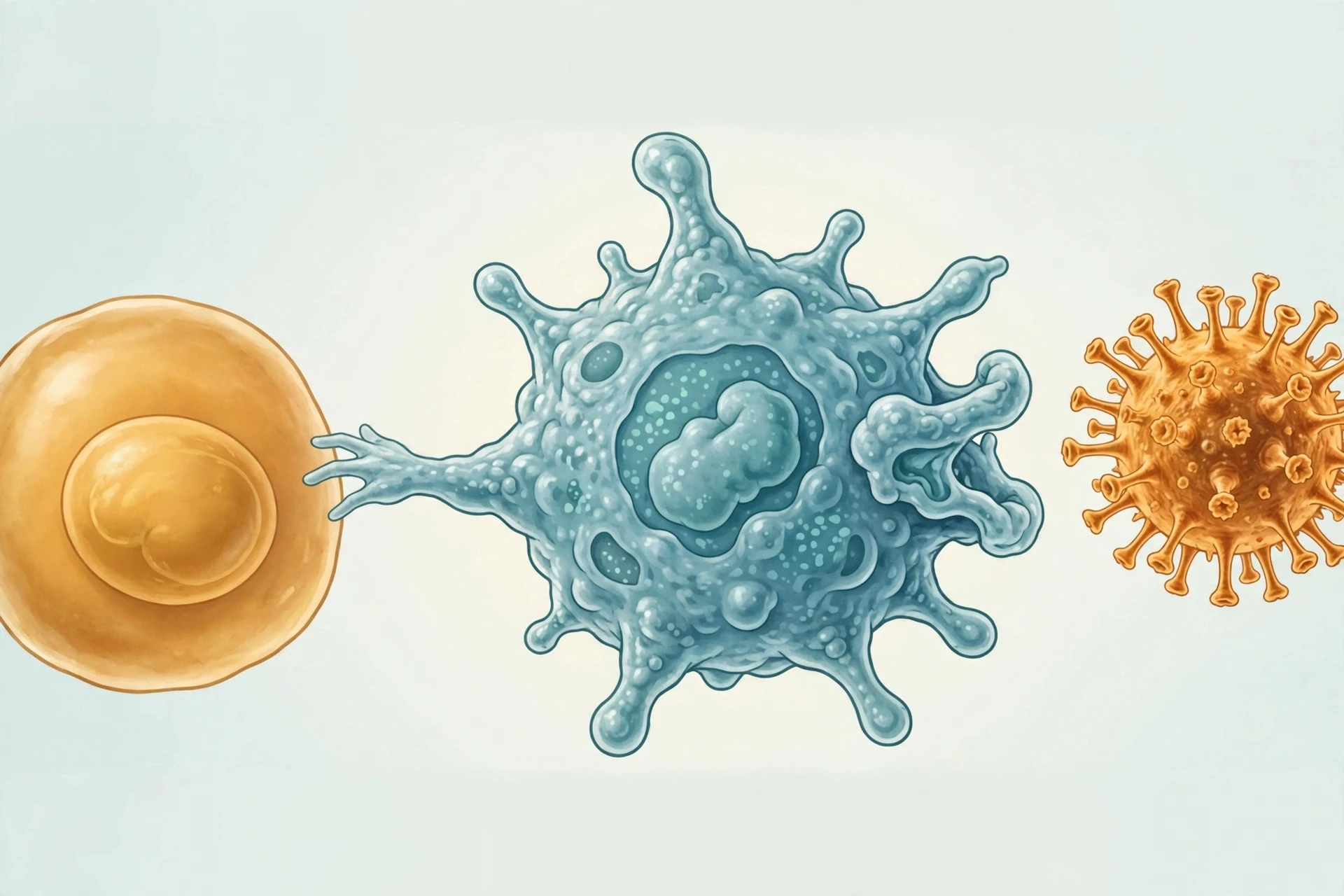
The practical way the immune system tells self from non-self is through a set of molecules called HLA, short for human leukocyte antigen. HLA molecules sit on the surface of almost every cell in the body, and they work like display windows: each one holds up a small fragment of a protein from inside the cell, a peptide, for passing T cells to inspect. If the peptide is a normal piece of the body's own machinery, the T cell moves on. If it is a fragment of a virus or a bacterium, the T cell sounds the alarm.
HLA molecules are the most variable genes in the human genome. Almost everyone carries a different combination, which is why organ transplants are so difficult to match and why identical twins are the only perfect donors. That variability is not an accident. It is the immune system's way of making sure that no single pathogen can evade detection in the whole population. But it has a cost: some HLA variants are much better than others at displaying particular self-peptides, and those variants are the strongest genetic risk factors for autoimmune diseases. Section 10 returns to this in detail, because HLA is where genes and autoimmunity meet most directly.
There is one more thing to understand about self-recognition, and it is the thing that makes autoimmune diseases so hard to cure. The immune system has memory. Once a B cell or T cell has learned to attack a target, it does not forget. Memory cells persist for years, sometimes for life, ready to mount a faster and stronger response the next time they see the same antigen. That is why a second exposure to a virus is usually milder than the first — and why, once the immune system has decided that a piece of your own thyroid or your own joints is an enemy, it keeps coming back. The disease is not a single attack. It is a memory that will not fade.
6. Central Tolerance: The School in the Thymus
High in the chest, behind the breastbone and in front of the heart, sits a small organ most people never think about: the thymus. It is largest in childhood and shrinks steadily through adult life, until by old age it is mostly fat. For a few years, though, it is the most important school in the body. Every T cell your immune system will ever use passes through it, and almost all of them fail.
The process has two stages, and the names are worth learning because they explain so much of what follows. The first is positive selection. Young T cells — thymocytes — arrive in the thymus from the bone marrow carrying receptors made by random DNA shuffling. In the outer part of the thymus, the cortex, they are tested against the body's own HLA molecules. Only the cells whose receptors can recognise HLA at all are kept. The rest are useless — they could never interact with the body's antigen-display system — and they die quietly, by neglect. Together with the next stage, about 98 percent of thymocytes die before they ever leave the thymus. The body is ruthless about quality control.
The second stage is negative selection, and it is the crucial one for autoimmune disease. The surviving thymocytes move into the inner part of the thymus, the medulla, where they are shown a vast library of the body's own proteins. Any T cell whose receptor binds too strongly to a self-peptide is given a lethal signal and dies by apoptosis — programmed cell death. This is clonal deletion: the deliberate destruction of self-reactive T cells before they are ever allowed out into the body. The ones that survive — the ones that bind self weakly enough to be harmless and strongly enough to be useful — leave the thymus as mature, naive T cells, ready to patrol the body.
The numbers are stark. Roughly 98 percent of the T cells that enter the thymus die there. Only about 2 percent graduate. I remember the first time I worked through those numbers as a student, sitting with a textbook open on a bench between experiments, and feeling a small shock at the waste of it. The body builds billions of T cells and destroys almost all of them, on purpose, before they ever see a germ. It is an extravagant system. It is also the reason most of us do not develop autoimmune disease: the screening is brutal, and it has to be, because the cost of letting a single strongly self-reactive T cell through can be a lifetime of illness.
The library in the medulla deserves a closer look, because it solves a problem that should be impossible. How can the thymus teach T cells to ignore proteins from the pancreas, the thyroid, the brain — organs that are nowhere near the thymus? The answer is a gene called AIRE, short for autoimmune regulator. AIRE switches on the production of thousands of proteins that belong to other organs — insulin from the pancreas, thyroid proteins, retinal proteins — inside the medullary thymic epithelial cells, the cells that do the teaching. These are called tissue-restricted antigens, and together they give the medulla a kind of sample menu of the whole body. A T cell that reacts to insulin is deleted in the thymus even though it has never been near the pancreas.
The proof that AIRE matters came from people in whom it does not work. Mutations in the AIRE gene cause a rare condition called APECED — autoimmune polyendocrinopathy-candidiasis-ectodermal dystrophy — in which the immune system attacks several endocrine glands at once, along with chronic fungal infections and dental and nail problems. It is a devastating illustration of a single point: when central tolerance fails, autoimmunity follows, and it follows in several organs at once. APECED is rare, but the lesson is general. Every autoimmune disease is, in some measure, a failure of this school.
Not every self-reactive T cell is killed, and that is by design. A small fraction of the cells that bind self strongly are not deleted but converted into regulatory T cells — Tregs — the peacekeepers of the immune system. They keep their ability to recognise self, and they use it to suppress other immune cells that might attack that same tissue. It is an elegant solution: take the most dangerous students and turn them into the guards. Tregs are one of the reasons the immune system can live with the self-reactive cells that inevitably slip through, and they are one of the most active areas of research into new treatments.
6.1 When the school fails
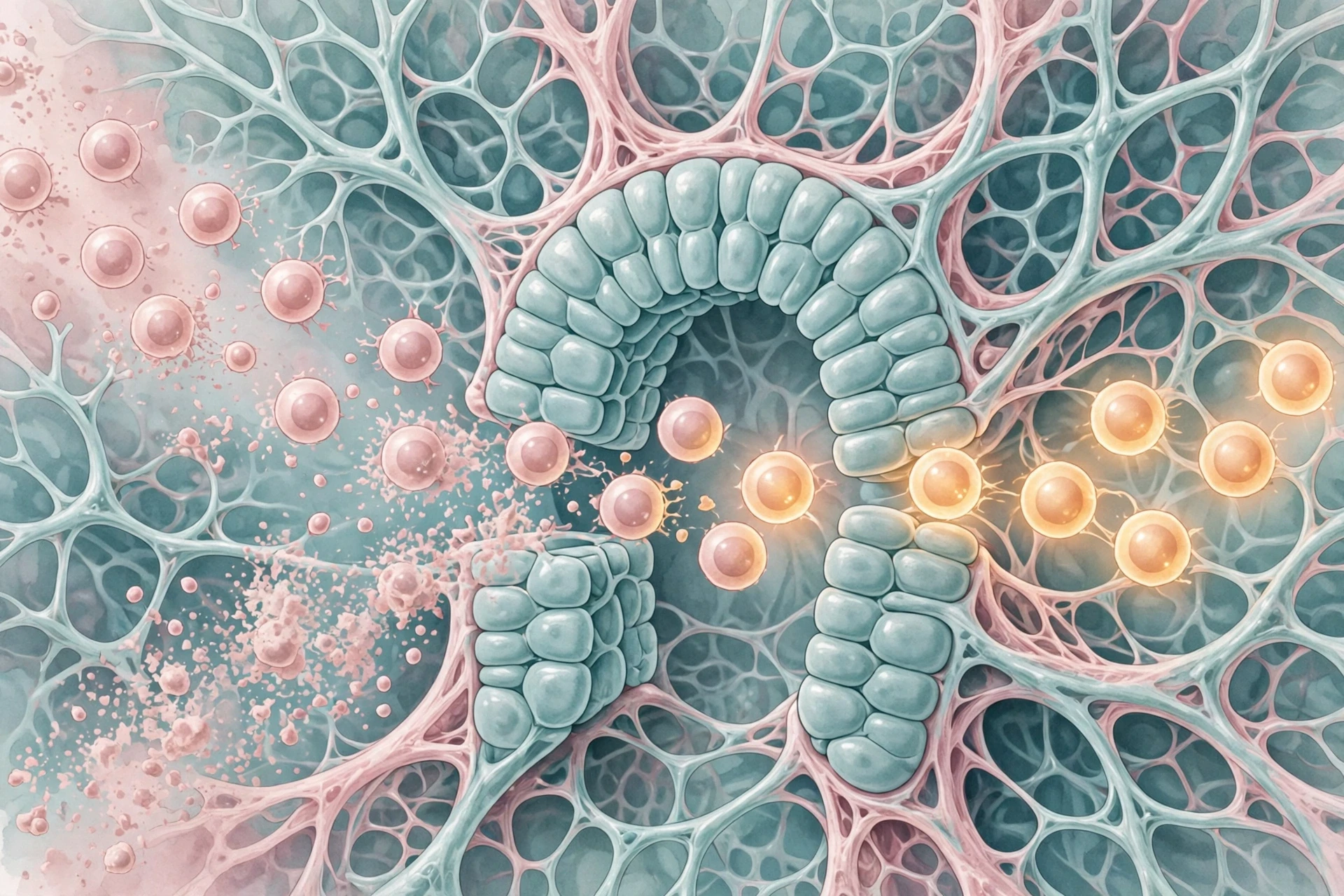
Central tolerance can fail in several ways, and each one maps onto a real disease. If AIRE does not work, tissue-restricted antigens are never displayed, and T cells that react to the pancreas or the thyroid graduate unchallenged — the APECED story. If the thymus itself is damaged or missing, as in the congenital condition DiGeorge syndrome, T cells are never properly educated, and autoimmunity is one of the consequences. If the deletion machinery is faulty — if the signals that should trigger apoptosis in self-reactive cells are weak — those cells survive and circulate. And if the thymus shrinks too early or too fast, the education it provides becomes thinner, which may be one reason autoimmune diseases become more common with age.
There is also a subtler failure, and it may be the most common one. Some self-proteins are never displayed in the thymus at all. Proteins that appear only in specific circumstances — during puberty, during pregnancy, after an injury — or proteins that are normally hidden inside cells and never reach the thymus, are invisible to negative selection. T cells that react to them can graduate quite properly, because the school never showed them the target. They circulate harmlessly for years, until the day the hidden protein is exposed — by an infection, an injury, or a change in the tissue — and then they attack. That is the story of section 8, and it explains why autoimmune diseases can begin suddenly, years after the immune system was built.
7. Peripheral Tolerance: The Safety Net Outside the Thymus
The thymus does a remarkable job, but it is not perfect, and the immune system knows it. That is why there is a second layer of protection, called peripheral tolerance — the set of controls that operate on mature immune cells out in the body, after they have left the thymus. If central tolerance is the school, peripheral tolerance is the police force that patrols the streets afterwards.
Peripheral tolerance has several mechanisms, and they work together. The first is anergy. A T cell needs two signals to become fully active: it must recognise its antigen, and it must receive a co-stimulatory signal from the cell presenting that antigen. If it receives the first signal without the second — if it sees a self-antigen on a quiet, uninflamed cell that is not sounding any alarm — it does not attack. Instead, it becomes anergic: alive, but permanently unresponsive, as if it has been switched off. Anergy is the immune system's way of saying that context matters. The same antigen, seen during an infection, is a call to arms; seen in a healthy tissue, it is a reason to stand down.
The second mechanism is deletion in the periphery. Self-reactive T cells that escape the thymus can still be killed out in the tissues, particularly if they are repeatedly stimulated without proper co-stimulation. The third is suppression by regulatory T cells, the graduates of the thymus and others made in the periphery, which actively calm down immune responses and prevent them from spreading. Tregs do this with a toolkit of chemical signals — interleukin-10, transforming growth factor beta — and by physically crowding out other cells and soaking up the growth factors they need. They are, in effect, the immune system's brakes.
The fourth mechanism is the immune checkpoints, and these are worth a moment because they have become famous for an unexpected reason. Checkpoints are pairs of molecules — CTLA-4 and PD-1 are the best known — that act as off-switches on T cells. When they are engaged, the T cell stands down, even if it has recognised its antigen. They exist to prevent the immune system from overreacting and damaging healthy tissue during an infection. They work so well that cancer has learned to exploit them: many tumours display the molecules that engage these checkpoints, switching off the T cells that would otherwise destroy them.
That exploitation led to one of the great breakthroughs of modern medicine — checkpoint inhibitor drugs, which block CTLA-4 or PD-1 and release the brakes so the immune system can attack cancer. They have saved lives that could not have been saved any other way. But they have also provided an accidental, large-scale experiment in what happens when peripheral tolerance is removed. A substantial minority of patients treated with checkpoint inhibitors develop autoimmune side effects — inflammation of the colon, the thyroid, the skin, the pituitary, the liver, sometimes several at once. The side effects are, in a sense, the proof of the mechanism: take away the brakes, and the immune system attacks the self. It is a powerful reminder that tolerance is not a passive state. It is actively maintained, every day, by molecules whose job is to say no.
7.1 Two layers, one lesson
The existence of two layers of tolerance tells us something important about how the immune system thinks about risk. It does not trust a single checkpoint. It screens in the thymus, and then it screens again in the periphery, and then it maintains the result with regulatory cells and molecular brakes. Autoimmune disease, seen in that light, is not a single failure. It is a failure that has slipped past several layers of defence, which is why it usually takes a combination of causes — genes, environment, and chance — to produce one. A person with a genetic weakness in one layer can live a healthy life for decades, because the other layers compensate. It is when two or three layers are weakened at once that the disease appears.
That is also why autoimmune diseases are so hard to predict. The same genetic risk that leaves one person healthy can leave their sibling ill, because the difference between them is not in the genes but in the accidents of a lifetime — which infections they caught, which tissues were damaged, which self-reactive cells happened to escape. Tolerance is a system with redundancy, and redundancy means that failure is a matter of probability, not destiny.
8. How Tolerance Breaks: Four Ways the Truce Fails
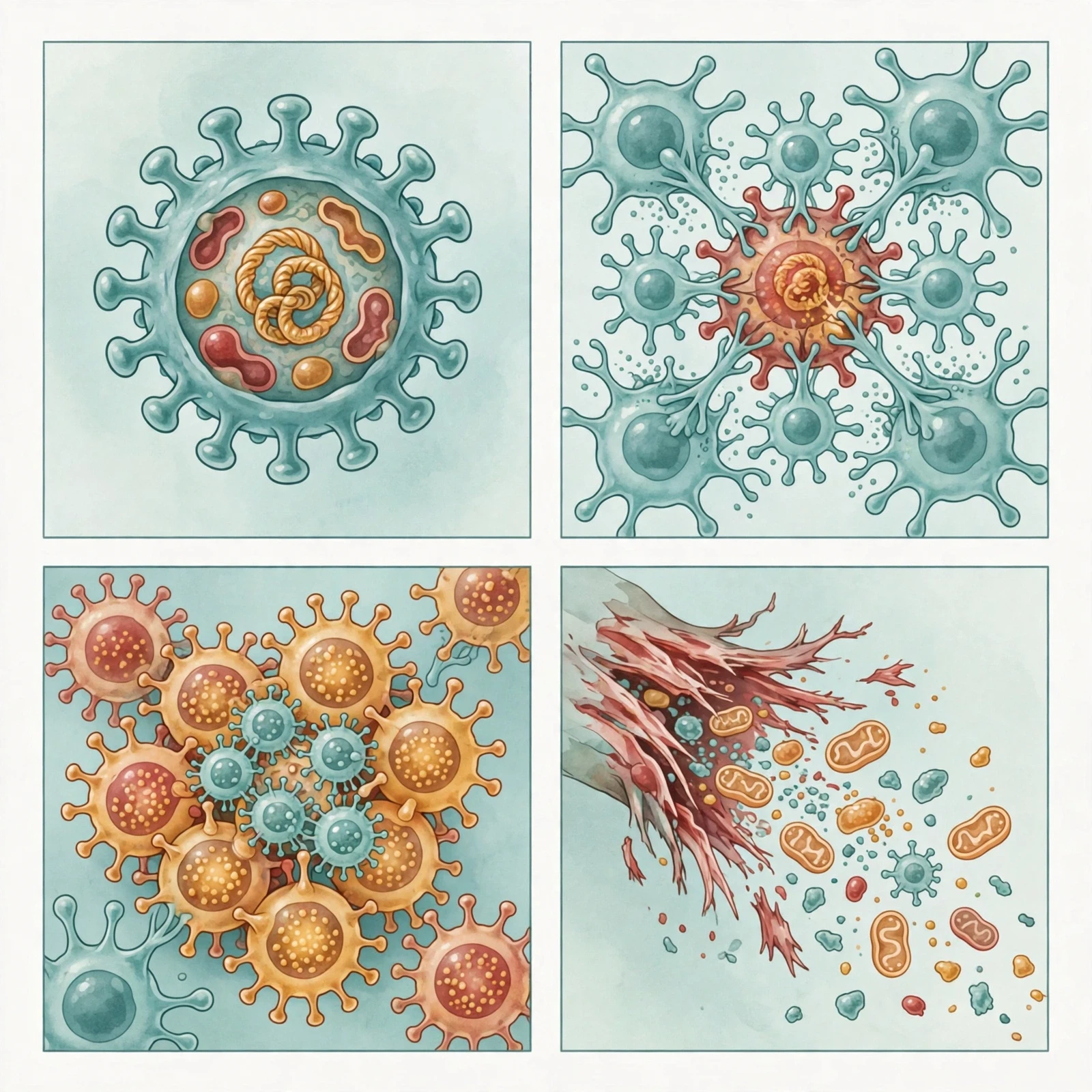
If tolerance is maintained by several layers, then breaking it requires getting past them, and immunologists have identified four main routes by which that happens. Each one has a concrete example, and each one explains a different set of autoimmune diseases. They are not mutually exclusive — a single disease can involve more than one — but they are a useful map of the territory.
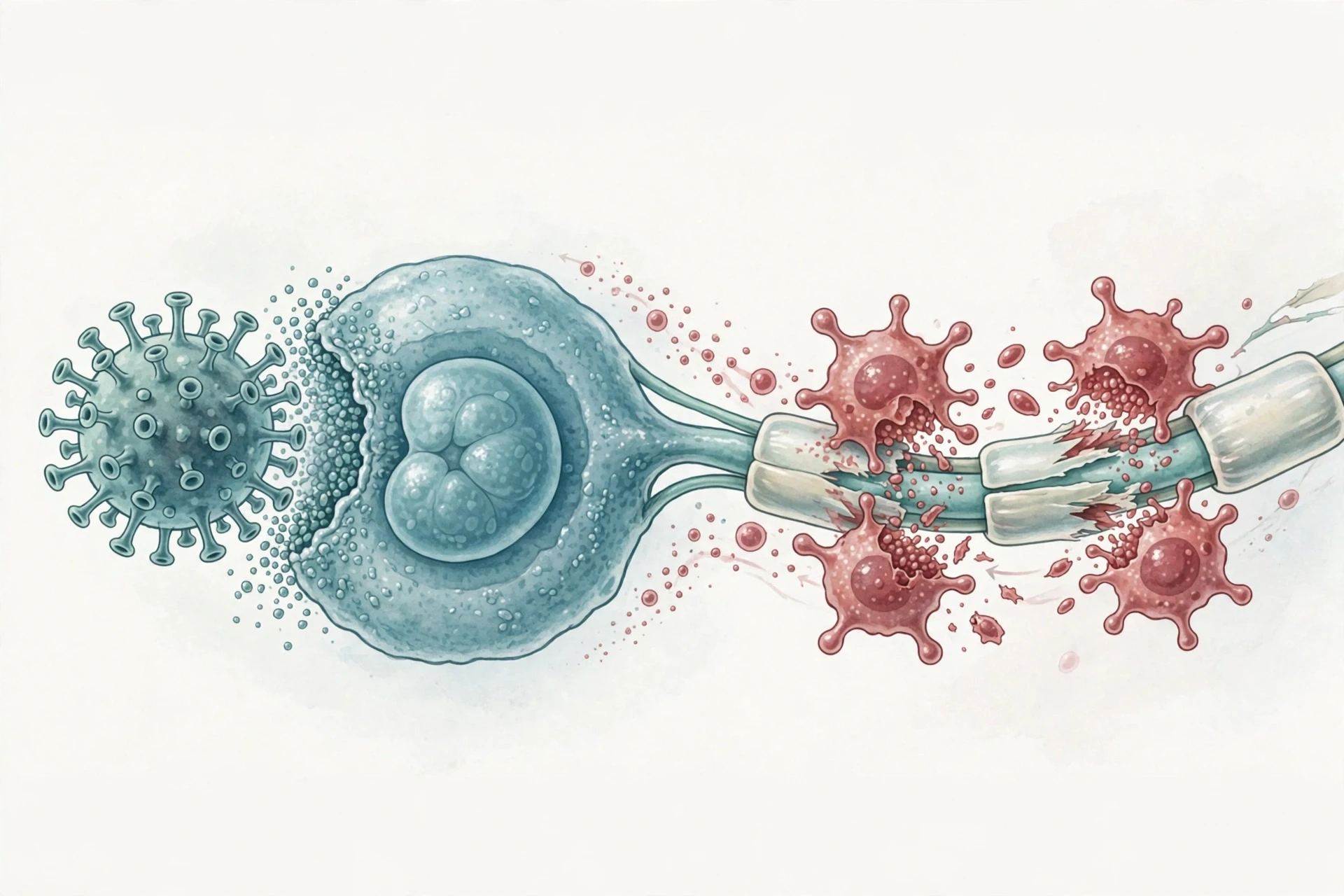
The first route is molecular mimicry. Sometimes a microbe carries a protein that looks, to the immune system, almost identical to one of the body's own proteins. The immune system mounts a proper, healthy response against the microbe — and then, because the self-protein looks so similar, it keeps attacking after the microbe is gone. The classic example is rheumatic fever. The bacterium Streptococcus pyogenes, which causes strep throat, carries a surface protein called the M protein that resembles proteins in the human heart. In some children, the immune response to the strep infection cross-reacts with the heart valves, and the result is rheumatic heart disease — permanent damage to the heart from an immune system that was doing its job correctly against the wrong target. A more recent example is Guillain-Barre syndrome, in which an infection with the gut bacterium Campylobacter jejuni triggers antibodies that attack gangliosides on the surface of peripheral nerve fibres, causing sudden paralysis. And the newest example is multiple sclerosis, where the Epstein-Barr virus protein EBNA1 resembles a self-protein called anoctamin-2, and T cells that recognise the virus also attack the brain. Mimicry is the most elegant of the four routes, and the most unsettling, because it means the immune system can be entirely correct about the invader and entirely wrong about the consequences.
The second route is epitope spreading. An epitope is the small part of a molecule that an antibody or T cell actually recognises. When tissue is damaged — by an infection, an injury, or an initial autoimmune attack — new epitopes are exposed that the immune system has never seen before. The immune response, which began against one target, spreads to neighbouring targets in the same tissue. What started as an attack on one protein becomes an attack on several, and the disease broadens and worsens. Epitope spreading is one reason autoimmune diseases tend to get worse over time if they are not treated: each round of damage exposes new targets, which invites a wider attack, which causes more damage.
The third route is bystander activation. During a serious infection, the immune system releases a flood of inflammatory signals — cytokines — that activate immune cells in the area indiscriminately, including self-reactive cells that happen to be nearby. Those cells, which would normally have stayed quiet, are woken up by the noise of the battle and join in. The infection is gone, but the self-reactive cells it woke up remain active. This route is harder to prove in individual patients, because the infection is over by the time the autoimmune disease is diagnosed, but it is well supported in animal models, and it explains why autoimmune diseases so often seem to begin after a bad infection.
The fourth route is the exposure of hidden antigens. Some of the body's proteins are normally sealed away from the immune system — inside the eye, inside the testes, inside the brain behind the blood-brain barrier, or inside cells where they are never displayed. The immune system has never been taught to tolerate them, because it has never seen them. If those tissues are damaged — by trauma, surgery, or infection — the hidden proteins spill out, and the immune system, encountering them for the first time, treats them as foreign. Sympathetic ophthalmia, in which an injury to one eye triggers an immune attack on the other, healthy eye, is the textbook example. A related mechanism operates in lupus: when cells die, their contents — including DNA and nuclear proteins — are normally cleared away quickly and quietly. In lupus, that clearance is impaired, and the debris lingers long enough for the immune system to notice it and mount a response against the body's own DNA.
8.1 The common thread
What the four routes share is that none of them requires the immune system to be broken. In each case, the immune system is doing something reasonable — fighting an infection, cleaning up damage, responding to inflammation — and the autoimmune disease is the side effect. That is a humbling thought, and it is also a hopeful one. If autoimmune diseases were caused by a single broken part, fixing them would mean replacing that part. Because they are caused by a system going wrong in understandable ways, there are many points where the process can be interrupted — and that is exactly what modern treatments do.
9. Why Women? The Most Lopsided Ratio in Medicine
There is no more striking pattern in autoimmune disease than the sex difference. Walk into a lupus clinic and nine out of ten patients will be women. Walk into a Sjogren's syndrome clinic and the ratio is as high as nineteen to one in some series, though registry figures put it lower, at roughly nine to one. Hashimoto's thyroiditis affects women about four to ten times as often as men. Multiple sclerosis, two to three to one. Rheumatoid arthritis, two to three to one. Of the twenty most common autoimmune diseases in the American study, eighteen were more common in women. There is no other family of diseases in medicine with a skew this large, and for decades nobody could explain it.
The first thing to get right is the size of the skew, because two different numbers circulate and they tell different stories. The figure most often quoted — that about 80 percent of people with autoimmune diseases are women — comes from the patient organisation AARDA and from older studies that estimated the total by adding up the figures for individual diseases. The newer Mayo Clinic study, which used one consistent method across 105 diseases, found that 63 percent of patients were women — still a large majority, but not four out of five. The difference is not a contradiction. It reflects different methods: the older figure weighted the most female-dominated diseases more heavily, while the newer study counted every disease equally, including the ones that affect men more often, such as ankylosing spondylitis and type 1 diabetes, where the sexes are roughly equal. The honest statement is that women account for roughly two-thirds to four-fifths of autoimmune disease, depending on how you count, and that for the most female-dominated diseases the ratio is far more extreme.
The second thing to get right is that there is no single explanation. The sex difference is not caused by one thing. It is caused by several things that all point in the same direction, and they stack on top of each other. Three of them matter most: the X chromosome, the hormones, and the immune system's own sex differences.
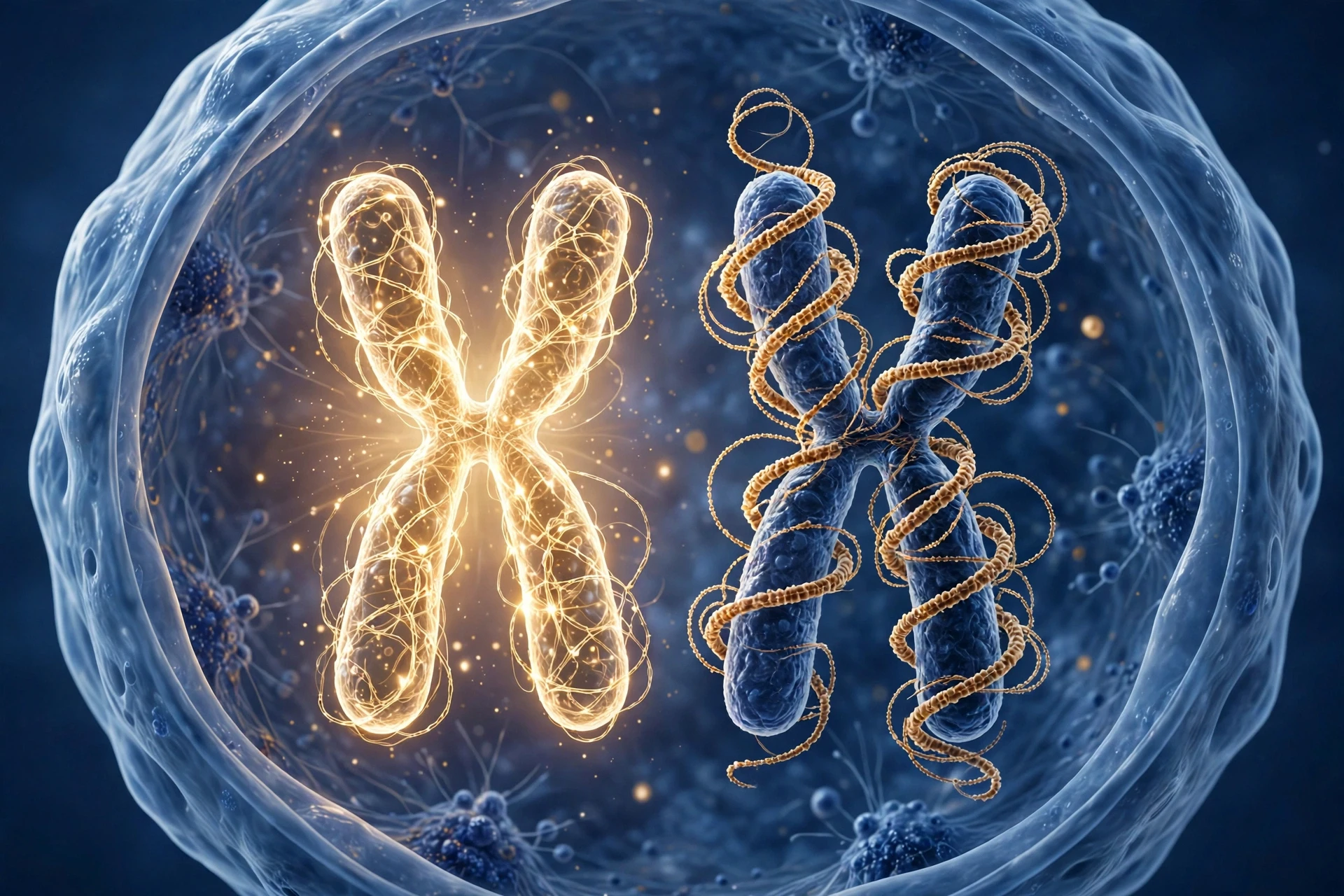
The X chromosome story took a major step forward in 2024, with a paper in the journal Cell that has reshaped how immunologists think about the problem. The background is this: women carry two X chromosomes, men carry one X and one Y. To avoid a double dose of every gene on the X chromosome, women silence one of their two X chromosomes in every cell, early in development. The silencing is done by a long RNA molecule called XIST — X-inactive specific transcript — which is made only in people with two X chromosomes, coats one of them, and switches it off. It is one of the most important molecules in human development, and until recently nobody connected it to autoimmune disease.
The 2024 study, led by Diana Dou and Howard Chang at Stanford, showed that the XIST molecule does not work alone. It holds on to roughly a hundred different proteins, forming a large RNA-protein complex. Many of those proteins were already known to be targets of autoantibodies in lupus and scleroderma — the immune system in those diseases attacks exactly the proteins that XIST carries around. The researchers tested the idea in male mice, giving them a form of Xist that forms the complex but does not silence genes. The male mice began making autoantibodies. When the researchers used a lupus model, the male mice carrying Xist developed more severe multi-organ disease than normal males, and their T and B cells began to look more like those of females. And in blood from human patients with lupus, scleroderma, and dermatomyositis, the researchers found autoantibodies against many of the proteins in the XIST complex. The molecule that silences the second X chromosome, in other words, may itself be a source of the immune system's confusion — a female-only structure that the immune system can mistake for a threat when cells die and spill their contents.
A second X chromosome mechanism was found a year earlier. The gene for TLR7 — a sensor that detects viral RNA and triggers the production of interferon, one of the immune system's alarm signals — sits on the X chromosome, and it escapes X-chromosome inactivation in immune cells. That means women, with two X chromosomes, can carry a double dose of TLR7 in the very cells that drive lupus. A 2023 study in JCI Insight showed that XIST RNA itself is a rich source of the signals that activate TLR7, that it stimulates interferon production, and that its levels are higher in women with lupus and track with disease activity. The pieces fit together: an X-chromosome sensor, a female-only RNA that triggers it, and an immune system that responds by making interferon — the same interferon signature that defines lupus.
Hormones add a second layer. Oestrogen generally boosts the activity of B cells, the cells that make antibodies, and enhances immune responses. Androgens — testosterone and its relatives — tend to dampen them. That fits the pattern: women mount stronger immune responses than men in general, which is an advantage against infection and a disadvantage when the immune system turns on the self. The hormone story also fits the timing. Many autoimmune diseases begin or worsen around puberty, when oestrogen rises. Pregnancy affects each disease differently: rheumatoid arthritis and multiple sclerosis often improve during pregnancy, when the immune system is deliberately dampened so the mother's body does not reject the fetus, and worsen after delivery — but lupus often worsens or stays the same during pregnancy, and may flare afterwards. But hormones are not the whole story, because the sex difference persists after the menopause, and because it appears in childhood, before puberty.
The third layer is the immune system itself. Even before hormones enter the picture, female and male immune systems behave differently. Women, on average, produce more antibodies, mount stronger responses to vaccines, and clear infections faster. Men, on average, are more vulnerable to many infections. The female immune system is, in a sense, set to a higher alert level. That higher setting is an advantage in a world full of pathogens, and it is the price of that advantage that shows up in autoimmune disease statistics.
The evidence that the X chromosome itself matters — not just hormones — comes from people whose sex chromosomes do not follow the usual pattern. Men with Klinefelter syndrome, who carry two X chromosomes and one Y (47,XXY), develop lupus far more often than other men. Women with three X chromosomes (47,XXX) are also over-represented among lupus patients. The common factor is the number of X chromosomes, not the hormones, and it points the finger firmly at the X.
9.1 What the sex difference does not mean
It is worth saying plainly what the sex difference does not mean. It does not mean that autoimmune diseases are "women's diseases" in the sense of being caused by being a woman. Men get them too, and when men do get them — lupus in a man, for instance — the disease is often more severe. It does not mean that women have weaker immune systems. The opposite is true: the female immune system is stronger, and its strength is the risk. And it does not mean the difference is fully understood. The XIST discovery is recent, and it explains part of the pattern, not all of it. The honest position is that several mechanisms — chromosomes, hormones, and immune tuning — all push in the same direction, and together they produce the most lopsided ratio in medicine.
10. Genes: HLA and the Family Pattern
Autoimmune diseases run in families. That has been obvious for generations: a mother with Hashimoto's thyroiditis, a daughter with lupus, a brother with type 1 diabetes. The family pattern is real, but it is not the pattern of a single inherited gene. Nobody inherits lupus the way they inherit eye colour. What they inherit is a higher probability — a loaded set of dice, not a fixed outcome.
Twin studies are the cleanest way to measure that probability. Identical twins share essentially all their DNA; fraternal twins share about half, like ordinary siblings. If a disease were purely genetic, identical twins would always share it. They do not — not for any autoimmune disease. For rheumatoid arthritis, the heritability — the share of variation in who gets the disease that can be traced to genetic differences — is estimated at around 60 percent in the classic twin studies. For lupus, when one identical twin has the disease, the other develops it in about a quarter of cases or more, compared with 2 to 10 percent for fraternal twins. For multiple sclerosis, the figures are similar: roughly a quarter of identical co-twins, against about 5 percent for fraternal twins. For type 1 diabetes, identical-twin concordance is around 30 to 50 percent. The pattern is consistent across autoimmune diseases: identical twins share the disease far more often than fraternal twins, which proves genes matter; but most identical co-twins stay healthy, which proves genes are not enough.
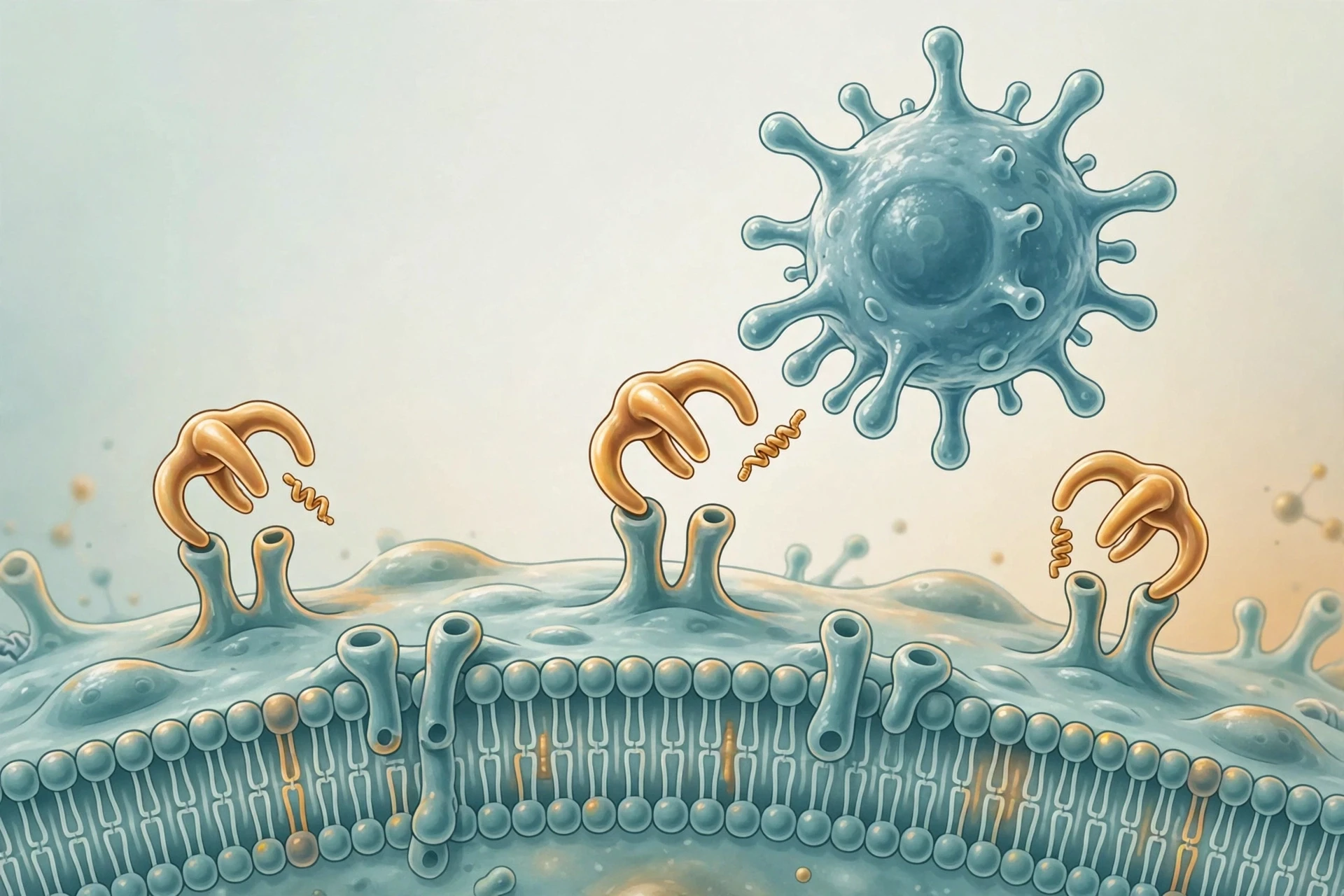
The genes that matter most sit in a region of the genome called HLA, the human leukocyte antigen complex — the same molecules from section 5 that display peptides on the surface of cells. HLA is the strongest genetic risk factor for almost every autoimmune disease, and the associations are remarkably specific. The variant HLA-DRB115:01 is the strongest known genetic risk factor for multiple sclerosis, accounting for a large share of the inherited risk. In coeliac disease, almost every patient carries HLA-DQ2 or HLA-DQ8 — DQ2 in about 90 to 95 percent, DQ8 in most of the rest — and the disease essentially does not occur without one of them. In rheumatoid arthritis, a group of HLA-DRB1 variants known as the shared epitope raises the risk, particularly for the form of the disease marked by anti-CCP antibodies, and explains about 18 percent of the genetic variance of that form. In ankylosing spondylitis, more than 90 percent of Caucasian patients carry HLA-B27, against about 7 percent of the general population.
But the HLA story comes with a crucial caveat, and it is the caveat that stops genes from being destiny. About 30 percent of the general population carries HLA-DQ2 or DQ8, the coeliac risk variants, and the overwhelming majority of them never develop coeliac disease. Only about 5 percent of people who carry HLA-B27 develop ankylosing spondylitis. Carrying a risk variant raises the odds; it does not decide the outcome. The gene loads the gun, as the saying goes, and something else pulls the trigger.
Beyond HLA, genome-wide association studies — scans of the DNA of tens of thousands of people — have found hundreds of smaller genetic contributions. More than two hundred regions of the genome are linked to inflammatory bowel disease. More than two hundred variants contribute to multiple sclerosis risk. And many of the same regions show up in several diseases at once: the genes PTPN22, CTLA4, and IL2RA, all involved in regulating immune cells, are linked to type 1 diabetes, rheumatoid arthritis, lupus, and others. That sharing is the genetic explanation for the clustering noted in section 3: the reason one person can develop several autoimmune diseases is that the same genetic variants raise the risk for all of them.
10.1 What family history means in practice
A family history of autoimmune disease raises the risk, but it raises it modestly and it raises it broadly. Having a first-degree relative — a parent, sibling, or child — with an autoimmune disease roughly doubles or triples the risk of developing one, but the disease that appears may not be the same one. A mother with Hashimoto's thyroiditis may have a daughter who develops lupus or a son who develops type 1 diabetes. The shared risk is the risk of autoimmunity in general, not of one specific disease.
That is worth knowing, because it changes how family history should be understood. It is not a prediction. It is a reason to pay attention to symptoms early and to mention the family history to a doctor when symptoms appear — because the single most useful thing a family history can do is shorten the long road to diagnosis that section 16 describes. It is not a reason to live in fear, and it is not something that can be tested away: no genetic test can tell an individual whether they will develop an autoimmune disease, and the commercial tests that claim to do so are, at present, not worth the money.
11. Environment: The Triggers That Tip the Balance
If genes load the gun, the environment pulls the trigger — and in the last few years, one trigger has moved from suspicion to near-certainty. It is a virus that almost everyone carries, and its story is the most dramatic in modern immunology.
The Epstein-Barr virus, EBV, is a herpesvirus that infects more than 90 percent of adults worldwide, usually in childhood or adolescence, where it causes either nothing at all or the illness known as glandular fever. After the first infection it stays in the body for life, hiding quietly inside B cells. For decades, researchers noticed that multiple sclerosis was rare in people who had never been infected with EBV, and more common in people who had glandular fever. But correlation is not causation, and the question hung open for forty years.
It was answered in 2022, in a study published in Science by Kjetil Bjornevik and colleagues at Harvard. The team followed more than ten million young adults in the United States military, using blood samples collected over twenty years, and identified 955 who developed multiple sclerosis. Of the 801 with blood samples available, only one was still EBV-negative before the onset of the disease. Infection with EBV raised the risk of multiple sclerosis 32-fold, and the infection came first — a median of 7.5 years before the first symptoms. Infection with other viruses showed no such effect. The study did not prove that EBV alone causes multiple sclerosis, because almost everyone carries the virus and fewer than one in a thousand develops the disease. But it showed that EBV infection is, in practical terms, a necessary step on the road to multiple sclerosis — the closest thing to a cause that the field has ever had.
The years since have begun to show how the virus does it. In 2026, three papers published in Cell began to show how the virus does it. One showed that T cells primed against the EBV protein EBNA1 cross-react with a self-protein in the brain called anoctamin-2 — molecular mimicry, the first route from section 8, caught in the act. A second showed that EBV-infected B cells in people who carry the high-risk HLA-DR15 variant present fragments of myelin — the insulating coating of nerve fibres — as if they were a threat. A third showed that a different EBV protein helps myelin-reactive B cells survive in the brain and cause demyelination. Other 2026 work found EBV-specific T cells expanded in the spinal fluid of people with early multiple sclerosis. The picture is filling in: a common virus, a genetic susceptibility, and an immune system that confuses the two.
EBV is the strongest environmental trigger known for any autoimmune disease, but it is not the only one. Smoking raises the risk of rheumatoid arthritis, particularly the form marked by anti-CCP antibodies in people who carry the shared-epitope HLA variants, and it worsens multiple sclerosis. Quitting lowers the risk over time, which is one of the few clear, actionable findings in the field. Low vitamin D and low sun exposure are associated with a higher risk of multiple sclerosis — the latitude gradient from section 4 is one of the oldest observations in the field — and the evidence for sun exposure as protective is strong, though the evidence that taking vitamin D supplements prevents the disease is still inconclusive. The Vitamin D Deficiency article in this cluster's wider library covers the vitamin itself in detail.
The gut microbiome — the trillions of bacteria that live in the intestines — is the most talked-about environmental factor in autoimmune diseases of the last decade, and also the one where the evidence is thinnest. People with inflammatory bowel disease, type 1 diabetes, and rheumatoid arthritis have measurably different gut bacteria from healthy people. But whether the difference is a cause or a consequence of the disease is still unproven in humans, and the microbiome studies that show a clear effect in mice have not yet translated into treatments that work in people. The companion article The Gut Microbiome Explained covers that world in full. Here, the honest summary is that the gut matters, that it almost certainly influences immune training, and that nobody yet knows exactly how or what to do about it.
The hygiene hypothesis — the idea that cleaner childhoods, with fewer infections and less exposure to microbes, leave the immune system less well calibrated — is the most popular explanation for the rising numbers in section 4, and it has some support. Autoimmune diseases are more common in wealthy countries and in urban areas than in poorer countries and rural ones. But the hypothesis is broad and hard to test, and it has been refined over the years into something more specific: it may not be the absence of infections that matters, but the absence of the harmless microbes — the "old friends" — that humans evolved alongside, which train the regulatory arm of the immune system. That refinement is plausible, but it is still a hypothesis, not a fact.
Other triggers are more specific. Streptococcal throat infections trigger rheumatic fever. The gut bacterium Campylobacter jejuni triggers Guillain-Barre syndrome. Certain drugs — the checkpoint inhibitors from section 7, the immune-stimulating drug interferon-alpha, some biologics — can trigger autoimmunity as a side effect. Silica dust exposure is linked to scleroderma and rheumatoid arthritis in miners and construction workers. And some viruses have been proposed as triggers for type 1 diabetes, notably Coxsackievirus B, though the evidence there remains circumstantial.
11.1 The trigger is not the cause
It is important to keep the language straight here, because sloppy language causes real confusion. A trigger is not a cause. EBV does not cause multiple sclerosis on its own — if it did, almost everyone would have the disease. Smoking does not cause rheumatoid arthritis on its own. What triggers do is push a system that is already loaded — by genes, by a leaky thymus, by a set of self-reactive cells that slipped through — over the edge. The same infection that triggers multiple sclerosis in one person passes unnoticed in a thousand others. The difference is not in the trigger. It is in the system it meets.
12. Autoantibodies: Clues, Weapons, or Both?
Antibodies are the immune system's guided missiles, and autoantibodies are antibodies that have been aimed at the wrong target. They are the most useful clue in autoimmune disease and, in some diseases, the weapon that does the damage. Understanding the difference between those two roles is the key to understanding how doctors use them.
In some diseases, autoantibodies are the direct cause of the damage. In Graves' disease, antibodies against the TSH receptor — the switch that tells the thyroid to make hormone — do not block the switch. They press it. The thyroid is driven to overproduce, and the result is hyperthyroidism: a racing heart, weight loss, tremor, and, in some people, the bulging eyes that are the disease's most visible sign. In myasthenia gravis, antibodies block the receptors that receive the nerve signal at the muscle, and the result is weakness that worsens with use. In these diseases, the antibody is the disease, and removing the antibody — or the B cells that make it — is the treatment.
In other diseases, autoantibodies are markers rather than weapons. In type 1 diabetes, antibodies against the insulin-making cells — against GAD, IA-2, zinc transporter 8, and insulin itself — appear years before symptoms, but the cells are actually destroyed by T cells, not by the antibodies. The antibodies are the smoke, not the fire. But they are extraordinarily useful smoke: they can be detected in blood years before the disease appears, which is what makes the staging of type 1 diabetes possible and what made the teplizumab story in section 19 possible at all.
The most famous autoantibody test is the ANA — the antinuclear antibody test. It detects antibodies against the contents of the cell nucleus, and it is the first test most doctors order when lupus or a related disease is suspected. It is sensitive — almost everyone with lupus has a positive ANA — but it is not specific. Up to about 15 percent of healthy people have a positive ANA, and the proportion rises with age. A positive ANA, on its own, does not mean lupus. It means the doctor should look further, with more specific tests: anti-double-stranded DNA and anti-Smith antibodies, which are far more specific for lupus; anti-CCP antibodies, which are highly specific for rheumatoid arthritis; anti-TPO antibodies, which mark Hashimoto's thyroiditis; tissue transglutaminase IgA, which marks coeliac disease; and the islet autoantibodies that mark type 1 diabetes. The specific antibody is the fingerprint. The ANA is the knock on the door — and learning to read both is the central skill in diagnosing autoimmune diseases.
That distinction matters because a positive ANA is one of the most common sources of confusion and anxiety in medicine. A person with fatigue and joint pain gets an ANA test, it comes back positive, and they are told — sometimes by the internet, sometimes by a well-meaning clinician — that they have lupus. Often they do not. The test is a clue, not a verdict, and it has to be read alongside the symptoms, the examination, and the more specific tests. Section 16 returns to this, because the gap between a clue and a verdict is where the long road to diagnosis begins.
12.1 Autoantibodies before symptoms
One of the most important discoveries of the last thirty years is that autoantibodies can appear years before any symptoms. In type 1 diabetes, islet autoantibodies can be found in children years before the pancreas fails, and the number of different autoantibodies predicts the risk: a child with two or more islet autoantibodies has a very high chance of developing the disease. In lupus, autoantibodies can appear up to a decade before the first symptoms. In rheumatoid arthritis, anti-CCP antibodies can be present for years before the first swollen joint.
That long silent phase is a window, and it is the window that the newest treatments are trying to use. If a disease can be detected before it causes damage, it can, in principle, be delayed or even prevented. That is the logic behind teplizumab, and behind the screening programmes now being debated for type 1 diabetes. It is also a source of difficult questions: what do you tell a healthy child whose blood says they will probably develop a disease? How do you balance the benefit of early treatment against the burden of knowing? Those questions do not have easy answers, and they are the reason screening is being introduced carefully, with counselling and with treatments that are proven to help.
13. Two Big Families: Organ-Specific vs Systemic
With more than eighty diseases to cover, a map helps. Immunologists divide autoimmune diseases into two broad families, and the division is a useful first cut, even though the boundary between them is blurry.
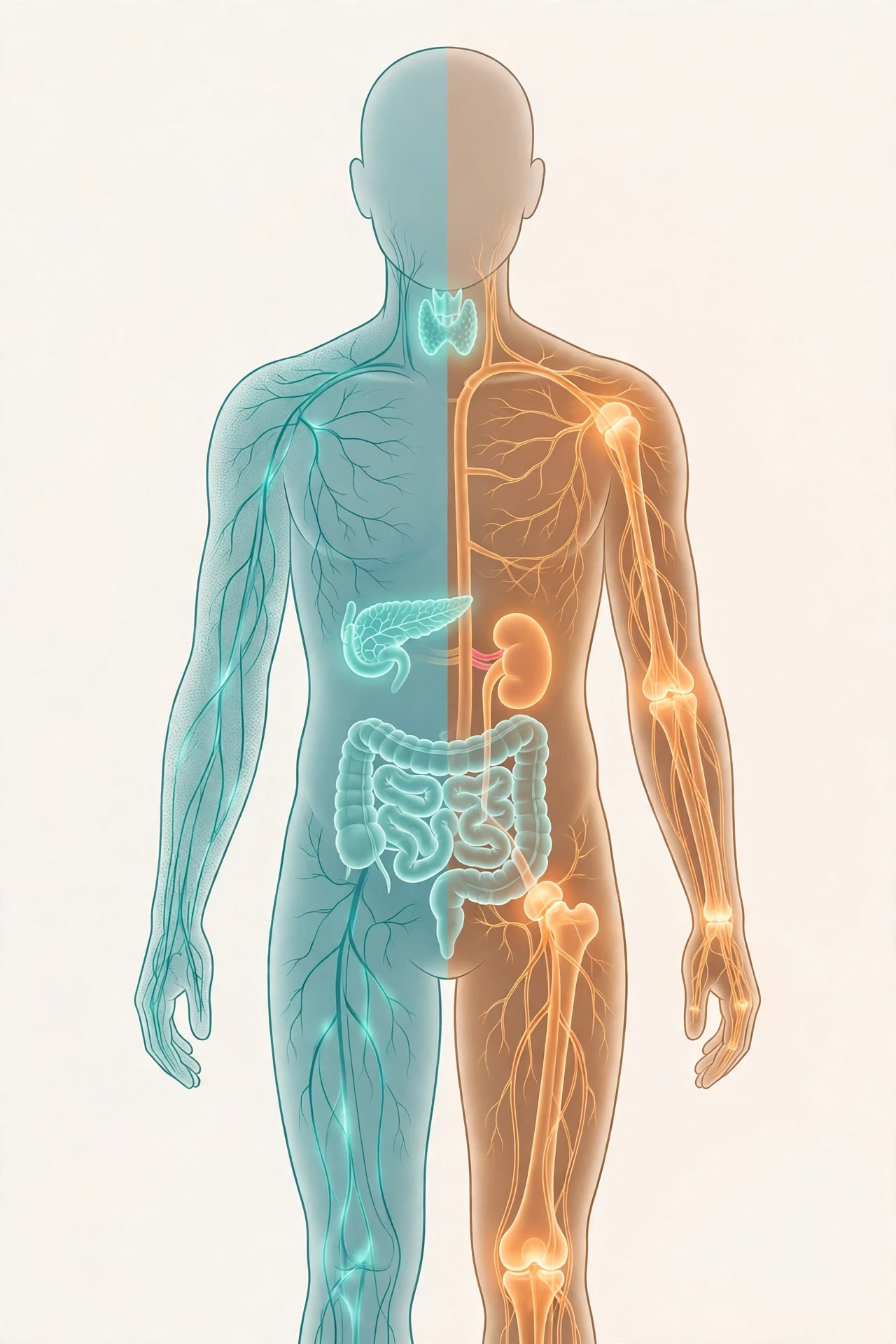
Organ-specific autoimmune diseases attack one organ or one type of tissue. Type 1 diabetes attacks the insulin-making beta cells of the pancreas and nothing else. Hashimoto's thyroiditis attacks the thyroid. Multiple sclerosis attacks the myelin that insulates nerve fibres in the brain and spinal cord. Coeliac disease attacks the lining of the small intestine. Psoriasis attacks the skin. In these diseases, the immune system has picked a single address, and the damage — however severe — is confined to it.
Systemic autoimmune diseases attack many organs at once. Lupus can affect the skin, the joints, the kidneys, the brain, the blood, and the heart, sometimes all in the same person. Rheumatoid arthritis centres on the joints but can also affect the lungs, the eyes, and the blood vessels. Sjogren's syndrome attacks the glands that make tears and saliva, but it can also affect the lungs, the kidneys, and the nerves. Systemic sclerosis — scleroderma — hardens the skin and can scar the lungs, the gut, and the kidneys. In these diseases, the immune system has not picked an address. It has declared war on a type of molecule that appears in many places — often something in the cell nucleus, or in connective tissue — and the damage shows up wherever that molecule is found.
The table below sets out the two families side by side. It is a simplification, and real diseases often refuse to sit neatly in one column — multiple sclerosis, for instance, is organ-specific in its target but can produce symptoms throughout the body because the nervous system is everywhere. But as a first map, it is the one clinicians use, and it is the structure the next two sections follow.
Feature | Organ-specific autoimmune diseases | Systemic autoimmune diseases |
|---|---|---|
Target | One organ or one cell type | Many organs; often a molecule found throughout the body |
Typical examples | Type 1 diabetes, Hashimoto's thyroiditis, Graves' disease, multiple sclerosis, coeliac disease, psoriasis, myasthenia gravis | Lupus, rheumatoid arthritis, Sjogren's syndrome, systemic sclerosis, vasculitis, polymyositis |
Key autoantibodies | Often against a single organ-specific protein (islet antibodies, anti-TPO, tissue transglutaminase) | Often against nuclear material or connective tissue (ANA, anti-dsDNA, anti-CCP, anti-Ro/La) |
Typical pattern | Progressive loss of one function (insulin, thyroid hormone, nerve conduction) | Flares and remission across several systems at once |
Diagnosis | Often a single decisive test (antibody plus organ function) | Usually a combination of criteria across several systems |
Treatment focus | Replace what is lost (insulin, thyroid hormone) plus calm the attack | Suppress the immune system broadly and protect organs |
13.1 The boundary is blurry
The two families are a map, not a law, and the exceptions are instructive. Type 1 diabetes is organ-specific, but people with type 1 diabetes are more likely than average to develop Hashimoto's thyroiditis or coeliac disease — the same person, several organ-specific diseases, sharing the same genetic risk. Rheumatoid arthritis is systemic, but its damage is concentrated in the joints. Psoriasis is usually described as organ-specific to the skin, but as many as a third of people with psoriasis go on to develop psoriatic arthritis, and the disease is now understood to involve the whole body, including an increased risk of heart disease. The categories describe where the damage is most obvious, not where the immune failure begins. The failure is always the same: tolerance has broken. The address is what varies.
14. The Organ-Specific Tour
Five diseases carry most of the organ-specific story, and each one illustrates a different facet of autoimmunity. They are worth meeting one by one, because the details are what make the mechanism real.
Type 1 diabetes is the clearest case in the whole field. The immune system — T cells, with autoantibodies as the markers — destroys the beta cells of the pancreas, the only cells in the body that make insulin. Without insulin, blood sugar cannot enter cells, and the body starves in the midst of plenty. About 9.5 million people worldwide live with type 1 diabetes, according to the 2025 estimates from the International Diabetes Federation Atlas and the T1D Index, and about 513,000 new cases were diagnosed in 2025. The incidence is rising by about 2.4 percent a year. Two peaks in childhood — ages four to seven and ten to fourteen — are the classic pattern, but adults develop it too, and adult-onset cases are now recognised as common. Type 1 diabetes is not the same as type 2 diabetes, and confusing the two is one of the commonest mistakes in medicine: type 2 is a disease of insulin resistance, linked to weight and metabolism, and it is covered in the companion article Type 2 Diabetes Explained. Type 1 is an autoimmune disease, it is not caused by eating sugar, and it cannot be prevented by diet. The treatment is insulin, for life — and, since 2022, a drug that can delay the onset, which is the subject of section 19.
Hashimoto's thyroiditis is the most common autoimmune disease of all, and the most common cause of an underactive thyroid in countries where iodine is plentiful. The immune system attacks the thyroid gland, the small butterfly-shaped organ in the neck that sets the body's metabolic pace, and over years the gland is gradually destroyed. About 14 million Americans live with it, by the estimates derived from patient organisations, and it affects women about four to ten times as often as men. The antibody that marks it is anti-TPO, against thyroid peroxidase, an enzyme the thyroid uses to make hormone. The symptoms — tiredness, weight gain, feeling cold, a slow pulse, low mood — are so general that the disease is often missed for years, and it is frequently found only when a blood test is done for another reason. Its mirror image is Graves' disease, in which antibodies stimulate rather than destroy the thyroid, driving it to overproduce hormone. The two diseases share genes and often share families. The companion article Hypothyroidism vs. Hashimoto's explains the thyroid side of the story in detail.
Multiple sclerosis is the organ-specific disease with the widest reach, because its target — myelin, the fatty insulation around nerve fibres in the brain and spinal cord — is everywhere in the nervous system. When myelin is damaged, signals slow down or stop, and the symptoms depend entirely on where the damage is: numbness, weakness, blurred vision, problems with balance, fatigue that is out of all proportion to the effort. About 2.8 to 3.1 million people worldwide live with multiple sclerosis — the Atlas of MS counted 2.8 million in 2020 and estimated about 3.1 million in its 2024 update — and about one million of them are in the United States. It is usually diagnosed around the age of thirty-two, it affects women about two to three times as often as men, and its course is typically relapsing-remitting: attacks, then recovery, then attacks again, with damage accumulating over time. The Epstein-Barr virus story from section 11 is its cause-in-progress, and the strongest genetic risk factor is the HLA variant DRB115:01. Multiple sclerosis will get its own full article later in this cluster, as number 17 in the series, so this portrait is deliberately brief — but no tour of autoimmune disease would be complete without it.
Coeliac disease is the autoimmune disease with the clearest trigger. It is caused by gluten — the protein in wheat, barley, and rye — in people who carry the genes HLA-DQ2 or HLA-DQ8. When gluten is eaten, it is modified in the gut in a way that makes it look like a threat, and the immune system attacks the lining of the small intestine, flattening the tiny finger-like villi that absorb nutrients. The result is not just a stomach problem: it is malabsorption, anaemia, tiredness, bone loss, and in children, poor growth. About one person in a hundred has biopsy-confirmed coeliac disease, with a global seroprevalence of about 1.5 percent in the most recent meta-analysis, and the incidence has more than doubled in the United Kingdom over the last twenty years. Yet most cases are never diagnosed — in the UK, only about 36 percent of cases are known. The treatment is unique among autoimmune diseases: remove the trigger, and the disease quiets down. A strict gluten-free diet allows the gut to heal, and the antibodies fade. It is the closest thing the field has to a cure by avoidance, and it is also the proof that a known trigger can be managed. The digestive side of the story is covered in How the Digestive System Works.
Psoriasis is the visible one. The immune system — driven by the signalling molecules interleukin-17 and interleukin-23 — speeds up the production of skin cells, which pile up into thick, scaly, itchy plaques, most often on the elbows, knees, and scalp. About 2 to 3 percent of the world's population lives with it. It is more than a skin disease: up to about a third of people with psoriasis develop psoriatic arthritis, an inflammation of the joints, and the disease carries an increased risk of heart disease and of depression. Psoriasis is also one of the great success stories of modern treatment. The interleukin-17 and interleukin-23 inhibitors — drugs that block exactly the signals driving the disease — can clear the skin almost completely in many patients, and they did so by following the mechanism rather than suppressing the whole immune system. That precision is the model for where the field is heading.
14.1 One mechanism, five faces
What the five portraits share is the mechanism. In each case, a specific tissue is attacked because the immune system has decided — wrongly — that a protein in that tissue is a threat. The target differs, the antibody differs, the organ differs, but the failure is the same. That is why a single article can cover them all, and why the research that helps one of them so often helps the others.
15. The Systemic Tour
Systemic autoimmune diseases are harder to describe than organ-specific ones, because they do not stay in one place. They move. They flare in the skin one month and the kidneys the next. They are harder to diagnose, harder to treat, and harder to live with — and they are the diseases that carry the highest burden of delayed diagnosis and of organ damage.
Lupus — systemic lupus erythematosus, SLE — is the archetype. The immune system attacks the body's own nuclear material, the DNA and proteins inside every cell's nucleus, and because every cell has a nucleus, the damage can appear almost anywhere: a butterfly rash across the cheeks, joint pain, mouth ulcers, hair loss, inflammation of the kidneys, inflammation of the lining of the heart and lungs, seizures, and severe fatigue. About 1.5 million Americans are estimated to live with lupus by the commonly cited advocacy figure — though registry-based counts of systemic lupus itself are considerably lower, at around 200,000 — and about 90 percent of them are women, most diagnosed between fifteen and forty-four. Black women develop it at about three times the rate seen in white women, and Hispanic women at about one and a half times the rate, and it is among the ten leading causes of death in young women aged fifteen to twenty-four in the United States. The antibodies that mark it — anti-double-stranded DNA and anti-Smith — are among the most specific in medicine, and the disease is defined by a signature of type I interferon, the alarm signal that the XIST and TLR7 mechanisms from section 9 help to drive. Lupus is a relapsing-remitting disease, and its course is unpredictable: long quiet periods interrupted by flares that can damage the kidneys permanently. That unpredictability is, for many patients, the hardest part.
Rheumatoid arthritis is the most common systemic autoimmune disease, affecting about 1.5 million Americans and about 1 percent of the world's population. The immune system attacks the synovium, the lining of the joints, which thickens, inflames, and eventually erodes the cartilage and bone underneath. The hands are usually affected first, symmetrically, and the morning stiffness — joints that take an hour or more to loosen — is the symptom patients describe most vividly. The antibodies that mark it are rheumatoid factor and anti-CCP, the latter highly specific. Rheumatoid arthritis is also the disease where treatment has advanced furthest: the combination of methotrexate, TNF inhibitors, and newer biologics means that many patients now never develop the joint deformities that were once the disease's signature. It is the proof that early, aggressive treatment of an autoimmune disease can change its natural history.
Sjogren's syndrome attacks the glands that make tears and saliva, and its cardinal symptoms are dry eyes and a dry mouth. That sounds minor, and it is often dismissed as minor, but it is not: the dryness can damage the cornea, destroy the teeth, and make swallowing and speaking difficult. About one to four million Americans live with it, and the female-to-male ratio is roughly nine to nineteen to one depending on the study — the most lopsided ratio in the family. Sjogren's can also affect the lungs, the kidneys, and the nerves, and it carries a substantially increased risk of lymphoma, a cancer of the lymphocytes. Its antibodies, anti-Ro and anti-La, are shared with lupus, and the two diseases often overlap.
Systemic sclerosis — scleroderma — hardens the skin and the tissues beneath it, and can scar the lungs, the gut, and the kidneys. It is rarer than the others, and it is the systemic disease with the worst prognosis, because the scarring it causes in the lungs is difficult to reverse. The vasculitides — a group of diseases in which the immune system attacks blood vessels — range from giant cell arteritis, which can cause blindness if the arteries to the eye are affected, to ANCA-associated vasculitis, which attacks the small vessels of the kidneys and lungs. Polymyositis and dermatomyositis attack muscle, and sometimes the skin as well, causing weakness that makes climbing stairs or lifting the arms above the head difficult. Each of these is rare on its own. Together, they are a substantial part of the systemic burden.
15.1 Why systemic diseases are harder
Systemic diseases are harder for three reasons. First, their symptoms are general — fatigue, joint pain, low-grade fever, a rash — and those symptoms belong to a hundred other conditions. Second, they move between organs, so a patient may see a dermatologist for the rash, a rheumatologist for the joints, and a nephrologist for the kidneys, and nobody puts the pieces together. Third, the damage they cause can be silent: lupus nephritis — inflammation of the kidneys — often causes no pain at all, and it is found only when a urine test shows protein or blood. The combination is why the road to diagnosis is so long, and the next section follows that road.
16. How Doctors Actually Diagnose Autoimmune Disease
There is no single test for autoimmune disease. That sentence is the key to the whole diagnostic story, and it is the reason the road to a diagnosis is so often long and frustrating. A doctor cannot order one blood test and get a yes or no. Diagnosis is a puzzle assembled from several pieces — the history, the examination, the blood tests, sometimes imaging, sometimes a biopsy — and the puzzle only makes sense when the pieces are put together by someone who has seen the pattern before.
The history comes first, and it matters more than any test. When did the symptoms start? Do they come and go, or are they constant? Is there morning stiffness that lasts more than an hour? Is there a rash that appears in the sun? Has anyone in the family had an autoimmune disease? The pattern of the symptoms — which joints, which organs, what makes them better and worse — narrows the field enormously. A patient who describes joint pain that is worst in the morning and improves with movement is telling a different story from a patient whose pain is worst at the end of the day and improves with rest. The first points toward inflammation; the second toward wear and tear. That distinction, made in a ten-minute conversation, is worth more than a battery of blood tests.
The blood tests come next. The ANA test, from section 12, is usually first when lupus or a related disease is suspected. If it is positive, more specific antibody tests follow. Inflammatory markers — the erythrocyte sedimentation rate and C-reactive protein — measure the general level of inflammation in the body without saying where it is. Organ function tests check whether the kidneys, liver, or thyroid are affected. In some diseases, the blood test is decisive: a strongly positive tissue transglutaminase antibody, confirmed by a biopsy of the small intestine, is the diagnosis of coeliac disease. In others, the blood test is only a clue, and the diagnosis rests on the whole picture.
Imaging and biopsy fill in the rest. An MRI can show the characteristic lesions of multiple sclerosis in the brain and spinal cord. A biopsy of the kidney can show the pattern of lupus nephritis and guide treatment. A biopsy of the small intestine can confirm coeliac disease. A skin biopsy can confirm vasculitis. And for some diseases, the diagnosis is made against formal classification criteria — checklists of symptoms, signs, and test results that researchers have agreed upon, such as the 2019 EULAR/ACR criteria for lupus or the 2010 ACR/EULAR criteria for rheumatoid arthritis. These criteria were designed for research, to make sure everyone in a study has the same disease, but they are widely used in clinics as a guide.
Even with all of this, the diagnosis is often slow. Surveys by the patient organisation AARDA have put the average time to a diagnosis at around three to five years — three years in the most recent survey, from 2017 — and most patients see about four doctors before they get one. For lupus, the numbers are worse: a survey of more than 2,500 members of the charity Lupus UK found it took an average of six and a half years from the first symptom to diagnosis, and almost half had first been told they had something else. A study by the universities of Swansea and Cambridge put the average delay at seven and a half years. Those numbers should be read as ranges from different studies, not as a single precise figure, but the direction is consistent: years, not weeks.
Why does it take so long? The reasons are several, and they are worth naming because they are fixable. The symptoms are general and they overlap with other conditions. The diseases are relapsing and remitting, so a patient can look healthy on the day they see the doctor. The blood tests are not definitive, and a negative ANA does not rule out lupus. And — the reason that causes the most anger among patients — symptoms in women are more likely to be attributed to stress or anxiety than the same symptoms in men. A 2026 survey of more than 6,600 people with autoimmune diseases found that women were almost 50 percent more likely than men to report having their symptoms put down to a mental health problem. That is not a problem of individual doctors. It is a problem of a system that has not taken these diseases seriously enough, for long enough.
16.1 What a good diagnosis looks like
A good diagnosis is not just a label. It is the beginning of a plan: which organs are affected, how active the disease is, what treatment is needed, and what to watch for. It also matters psychologically. Patients consistently describe the moment of diagnosis as a relief, even when the news is bad, because it ends the years of doubt. A name means the symptoms are real, the cause is known, and there is a path forward. The long road to diagnosis is, for many people, the worst part of the disease — and shortening it is one of the most valuable things the health system can do.
17. Flares, Remission, and Living With an Unpredictable Disease
Most autoimmune diseases do not march steadily onwards. They move in waves. A flare is a period when the disease is active — the joints swell, the rash spreads, the fatigue deepens — and remission is a period when it quiets down, sometimes for months, sometimes for years. The pattern is one of the defining features of autoimmune diseases, and it is also one of the hardest to live with, because it makes the future unpredictable. A person can feel well on Monday and be unable to get out of bed on Thursday, and there may be no obvious reason why.
Flares have triggers, though the triggers are not always clear. Infections are a common one: a cold or a stomach bug can set off a flare in lupus or rheumatoid arthritis. Sunlight can trigger a lupus flare, which is why sun protection is part of the daily routine for many lupus patients. Stopping medication — sometimes because the person feels better and assumes the disease is gone — is a common cause of flares. Stress does not cause the disease, as section 2 explained, but it can coincide with flares, and the relationship between stress and the immune system is real and complex. And sometimes there is no trigger at all. The immune system is a noisy system, and it fluctuates.
Fatigue deserves a paragraph of its own, because it is the symptom that patients rank highest and doctors underestimate most. It is not ordinary tiredness. It is a bone-deep exhaustion that sleep does not fix, and it is present in almost every autoimmune disease — in lupus, in rheumatoid arthritis, in multiple sclerosis, in Sjogren's syndrome, in inflammatory bowel disease. It is caused by the inflammation itself, by the immune system consuming energy, by poor sleep, by pain, and by the medications. It is invisible, it is hard to measure, and it is the main reason many people with autoimmune diseases cannot work full-time. Any honest account of these diseases has to put fatigue at the centre, not at the edge.
The mental-health burden is equally real. Living with a chronic, unpredictable disease that took years to diagnose, that affects the way you look, that limits what you can do, and that other people cannot see — that takes a toll. Depression and anxiety are substantially more common in people with autoimmune diseases than in the general population, and the relationship runs in both directions: inflammation itself affects the brain, and the experience of chronic illness affects mood. This is not a side issue. It is part of the disease, and it deserves the same attention as the joints or the kidneys.
Daily life with an autoimmune disease involves a set of practical, general measures that are worth knowing about as information, not as individual advice: protecting the skin from the sun in lupus, keeping up with vaccinations — inactivated vaccines are generally recommended, while live vaccines are often avoided while on immunosuppressive treatment, a decision that should be discussed with the person's own clinician — not smoking, keeping physically active within the limits the disease allows, and eating a balanced diet. How Exercise Changes the Body covers what movement does to the immune system in general. None of these measures treats the disease. All of them make living with it easier. That distinction matters, and it is the line that separates honest information from the false promises that surround these diseases online.
17.1 The cost of being believed
There is a final, less visible cost to mention, because it is the one patients talk about most when they are asked. It is the cost of not being believed. Years of symptoms dismissed as stress, years of normal blood tests while the disease quietly damaged an organ, years of being told to try harder — and then the diagnosis, and the realisation that the years cannot be recovered. That cost is not measured in the studies, but it is real, and it is the reason that articles like this one exist: so that the next person who walks into a clinic with a butterfly rash and swollen joints is believed the first time.
18. Treatment: From Blunt Suppression to Precision
There is no cure for most autoimmune diseases. That sentence belongs at the start of this section, because honesty about it is the foundation of everything else. What there is, instead, is control — and the control has improved enormously. The history of treatment for autoimmune diseases is a story of moving from blunt instruments to precise ones, and the pace of that change has quickened in the last twenty years.
The oldest treatments are the broadest. Corticosteroids — prednisolone and its relatives — are powerful anti-inflammatory drugs that suppress the immune system quickly and effectively. They are the fire extinguisher: fast, reliable, and essential in a crisis, such as a severe lupus flare affecting the kidneys. But they are a poor long-term solution, because their side effects — weight gain, diabetes, bone loss, cataracts, high blood pressure, mood changes — accumulate with time and dose. The goal of modern treatment is to use as little steroid as possible, for as short a time as possible, and to replace it with something more targeted.
The next layer is the conventional disease-modifying drugs, the DMARDs. Methotrexate, originally a cancer drug, is the workhorse of rheumatoid arthritis and is used in many other autoimmune diseases. Azathioprine and mycophenolate are used in lupus, particularly lupus nephritis. Hydroxychloroquine, originally an anti-malarial drug, is a mainstay of lupus treatment — it reduces flares, protects the skin and joints, and is one of the few drugs that is safe in pregnancy. These drugs work more slowly than steroids, over weeks and months, and they suppress the immune system more selectively. They are not precise, but they are a step towards precision.
The revolution came with the biologics — drugs made from living cells, usually antibodies, that target one specific molecule in the immune system. The first were the TNF inhibitors, which block tumour necrosis factor, a signalling molecule that drives inflammation in rheumatoid arthritis, inflammatory bowel disease, and psoriasis. They transformed rheumatoid arthritis: joints that would once have been destroyed are now preserved. Then came the interleukin inhibitors. Drugs that block interleukin-17 and interleukin-23 can clear psoriasis almost completely. Drugs that block interleukin-6 help in rheumatoid arthritis and in giant cell arteritis. Drugs that deplete B cells — rituximab, ocrelizumab, ofatumumab — have transformed multiple sclerosis and are used in lupus and rheumatoid arthritis. And the JAK inhibitors — small-molecule drugs taken as pills, which block the signalling pathways inside immune cells — have added an oral option where previously only injections existed.
Lupus illustrates the pace of change. For a decade after belimumab became the first new lupus drug approved by the American FDA in 2011, the pipeline was essentially frozen. Then, in 2021, two more drugs were approved: voclosporin, for lupus nephritis, and anifrolumab, which blocks the receptor for type I interferon — the alarm signal at the heart of the disease. In late 2025, obinutuzumab, a more powerful B-cell-depleting antibody, was approved for lupus nephritis. Three new drugs in four years, after a decade of nothing. The field is moving.
Multiple sclerosis has seen a similar transformation. The disease-modifying therapies now available — anti-CD20 antibodies, sphingosine-1-phosphate modulators that trap immune cells in the lymph nodes, fumarates, and others — can reduce relapses dramatically, and the most effective ones are now used early, before damage accumulates. The old approach, of starting with the mildest drug and escalating only when it failed, is giving way to the opposite: hit hard, early, and preserve the brain. The evidence supports the change, and it is one of the clearest examples of how understanding the mechanism leads to better treatment.
18.1 What treatment cannot do — yet
For all the progress, the limits are real. The drugs suppress the immune system, and a suppressed immune system is more vulnerable to infection — that is the trade-off at the heart of every treatment decision. They do not restore tolerance. They do not teach the immune system to stop attacking. They hold the attack at bay, and if the drug is stopped, the disease usually returns. That is why the newest research, the subject of the next section, is not about better suppression. It is about something more ambitious: teaching the immune system to stop, and then letting it go.
19. The New Frontier: Delaying, Resetting, and Re-teaching
In 2022, something happened that had never happened before. A drug was approved not to treat an autoimmune disease, but to delay one — to push back the day it begins. The drug was teplizumab, brand name Tzield, and the disease was type 1 diabetes. It was the first time any medicine had been shown to alter the course of an autoimmune disease before symptoms appear, and it changed the question the field asks. Not just "how do we suppress this?" but "how do we stop it starting?"
Teplizumab is an antibody against CD3, a molecule on the surface of T cells. It does not kill T cells. It calms them — it partially blocks their activation and, in the process, seems to increase the proportion of regulatory T cells, the peacekeepers. In the trial that led to its approval, published in the New England Journal of Medicine in 2019, people with stage 2 type 1 diabetes — autoantibodies present, blood sugar already abnormal, but no symptoms yet — were given a single fourteen-day course of the drug. The median time to developing symptomatic diabetes was 48.4 months in the teplizumab group against 24.4 months in the placebo group: a delay of about two years. The FDA approved it in November 2022 for people aged eight and older with stage 2 disease. In April 2026, the approval was extended to children as young as one year old. And in June 2026, it was approved for a second use: to slow the loss of the body's own insulin production in children and teenagers aged eight to seventeen who had recently been diagnosed with stage 3 disease, based on the PROTECT trial and the preservation of C-peptide, a marker of insulin production. That second approval was granted through the accelerated approval pathway, which means it rests on a surrogate measure rather than a clinical outcome, and confirmatory trials are still needed. The drug is not a cure, and a two-year delay is not a lifetime. But it is a proof of principle: the course of an autoimmune disease can be altered before it begins.
The second frontier is more dramatic still. CAR-T therapy — chimeric antigen receptor T-cell therapy — is a treatment in which a patient's own T cells are taken out of the body, engineered in a laboratory to recognise a specific target, and put back in. It transformed the treatment of certain blood cancers. In 2022, a team in Germany reported in Nature Medicine that five patients with severe, treatment-resistant lupus had been given CAR-T cells engineered to attack CD19, a molecule on B cells — the cells that make the autoantibodies driving lupus. All five went into remission, and all five were able to stop their other medications, including steroids. The B cells were wiped out, and when they grew back, months later, they came back naive — young, untrained, and no longer making the autoantibodies. The immune system had, in effect, been reset.
That result, in five patients, was the spark. Since then, CAR-T has been tested in rheumatoid arthritis, in systemic sclerosis, in myositis, and in other autoimmune diseases. At the American College of Rheumatology meeting in November 2026, three programmes reported new data: a CD19 CAR-T in rheumatoid arthritis, in which four of six patients who had failed a median of six and a half previous biologic drugs achieved a 70 percent improvement; an off-the-shelf, dual-target CAR-T against CD19 and BCMA in lupus — in a 14-patient lupus cohort, with remission sustained out to twelve months, and in a separate 16-patient lupus nephritis cohort, where more than nine in ten achieved a strong response; and a CAR-NK therapy — the same idea using natural killer cells instead of T cells — in myositis and systemic sclerosis, with response rates above 80 percent and no cases of cytokine release syndrome of any grade, no ICANS, and no graft-versus-host disease — the complications that have been the main danger of these treatments. These are early-phase results, in small numbers of patients, and they are not standard care. The risks are real, the costs are enormous, and the long-term durability is unknown. But the direction is unmistakable: the field is moving from suppressing the immune system to rebuilding it.
The third frontier is the most ambitious of all, and the furthest from the clinic: restoring tolerance itself. The ideas under investigation include antigen-specific immunotherapy — giving the immune system tiny, carefully chosen doses of the very protein it attacks, in a form that teaches tolerance rather than triggering attack; regulatory T-cell therapy, in which a patient's own Tregs are expanded in the laboratory and returned; low-dose interleukin-2, which selectively boosts Tregs without activating the rest of the immune system; and microbiome interventions, aimed at retraining the immune system through the gut. None of these is proven yet. All of them rest on the same insight: the goal is not a weaker immune system, but a wiser one.

Paul Ehrlich, the founder of immunology, called the idea that the body could attack itself "horror autotoxicus" — a horror of self-poisoning — and dismissed it as impossible. He was wrong, and his error is a reminder that the most important discoveries in this field have come from taking seriously the possibility that the body can turn on itself.
19.1 What to make of the hype
The new treatments are genuinely exciting, and they are also genuinely early. CAR-T in lupus has been given to dozens of people, not thousands. Teplizumab delays diabetes by about two years; it does not prevent it. The tolerance therapies have not yet proven themselves in large trials. Anyone who promises a cure — in a clinic advertisement, a supplement, a book, a video — is selling something that does not exist yet. The honest position is this: the science has crossed a threshold, from managing autoimmune diseases to, in a few cases, changing their course. The next decade will show how far that threshold extends. It will not show it overnight.
20. Common Mistakes and Misconceptions
A family of diseases this common and this poorly understood attracts myths, and the myths cause real harm. They delay diagnosis, they sell false cures, and they blame patients for their own illness. Six of them are worth naming plainly.
"Autoimmune disease means a weak immune system." Wrong, and backwards. In most autoimmune diseases the immune system is strong and active — too active, against the wrong target. That is why the treatments suppress it rather than boost it, and why the immune-boosting supplements sold for these diseases are at best useless and at worst harmful.
"Stress causes autoimmune disease." Wrong as a cause, complicated as a factor. Stress does not break tolerance on its own, and no one develops lupus or multiple sclerosis because they worried too much. Stress can coincide with flares, and the relationship between the nervous system and the immune system is real, but the arrow does not run from a stressful week to a broken immune system. Telling patients otherwise adds guilt to illness.
"A positive ANA means you have lupus." Wrong. The ANA test is sensitive but not specific, and up to about 15 percent of healthy people test positive. A positive ANA is a reason to look further, not a diagnosis. The specific antibody tests, the symptoms, and the examination are what make the diagnosis.
"A gluten-free diet cures autoimmune disease." Wrong, with one exception. A gluten-free diet is the treatment for coeliac disease, where gluten is the trigger, and it is essential there. For other autoimmune diseases, there is no evidence that avoiding gluten — or any other single food — cures the disease. A balanced diet supports general health, and that matters, but it is not a treatment, and the people who sell it as one are selling a false promise.
"Autoimmune diseases are rare." Wrong, and the numbers in section 4 are the answer. One person in ten, in the largest study ever done. More common than most people think, and more common than many doctors were taught.
"Autoimmune diseases are contagious." Wrong. You cannot catch one, and you cannot give one to someone else. Infections can trigger them, but the disease itself does not spread from person to person.
There is a seventh misconception that is worth naming because it is the most dangerous: that autoimmune diseases are not serious. They are serious. They damage organs, they shorten lives, and they disrupt them profoundly. But they are also, increasingly, treatable — and the gap between "serious" and "hopeless" is where modern medicine has made its greatest progress.
21. Where the Science Is Heading
The story of autoimmune disease is, in the end, a story about a system learning to recognise itself — and about what happens when that learning fails. A century ago, Paul Ehrlich thought the body could not attack itself. Seventy years ago, the discovery of autoantibodies proved that it could. Fifty years ago, the thymus and tolerance were mapped. Thirty years ago, the regulatory T cell was found. Four years ago, a virus was shown to be a near-necessary trigger for multiple sclerosis. Two years ago, a molecule made only in women was shown to help explain why women bear most of the burden. And in the last two years, the first drug to delay an autoimmune disease was approved, and the first immune resets were reported.
The direction of travel is clear, and it points away from suppression and towards education. The goal is no longer to hold the immune system down. It is to teach it — to restore the tolerance that was lost, to delete the cells that should have been deleted in the thymus, to expand the regulatory cells that keep the peace, and to do it specifically, for one target at a time, without weakening the body's defence against infection and cancer. That is a harder goal than suppression, and it will take longer. But it is the goal the science now points to, and the early results suggest it is reachable.
There are nearer-term goals too. Better biomarkers, so that diseases can be detected in the silent phase before damage occurs. Better prediction, so that a person with a family history and a positive antibody test knows what to watch for. An EBV vaccine, which — if the multiple sclerosis link holds — could prevent a substantial fraction of cases. Drugs that target the XIST and TLR7 pathways, aimed at the sex difference itself. And a shorter road to diagnosis, so that the next person who arrives with that rash and those aching joints is taken seriously at the first visit, not the fourth.
Autoimmune diseases will not be cured in a single breakthrough. They will be dismantled, piece by piece, as each part of the mechanism is understood and each failure is corrected. The immune system is the most loyal bodyguard a person will ever have. The task now is to make sure it remembers who it is guarding.
22. Frequently Asked Questions
Why does the immune system attack the body?
The immune system attacks the body when tolerance — its learned ability to ignore the body's own tissues — breaks down. That can happen because self-reactive T cells escape deletion in the thymus, because the safety nets outside the thymus fail, because a microbe resembles a self-protein and the immune response cross-reacts, or because hidden self-proteins are exposed by tissue damage. Genes, especially HLA variants, make the breakdown more likely, and environmental triggers such as infections can set it off. No single cause explains it; it is the combination that matters.
What causes autoimmune diseases?
Autoimmune diseases are caused by a combination of genetic susceptibility, environmental triggers, and chance events inside the immune system. Genes — above all the HLA genes — raise the risk. Triggers such as Epstein-Barr virus infection, smoking, and low vitamin D can tip a susceptible immune system over the edge. And random events — which self-reactive cells happen to escape the thymus, which tissues happen to be damaged — decide who actually develops a disease and which one. There is no single cause, and anyone who claims to have found one is mistaken.
What are the types of autoimmune diseases?
Autoimmune diseases fall into two broad families. Organ-specific diseases attack one organ or tissue: type 1 diabetes attacks the pancreas, Hashimoto's thyroiditis attacks the thyroid, multiple sclerosis attacks myelin in the nervous system, coeliac disease attacks the gut lining, and psoriasis attacks the skin. Systemic diseases attack many organs at once: lupus, rheumatoid arthritis, Sjogren's syndrome, systemic sclerosis, and the vasculitides. The boundary is blurry — many diseases sit between the two — but the division is a useful first map.
How many autoimmune diseases are there?
More than eighty autoimmune diseases are firmly established, and the most careful modern count — a 2025 study from the Mayo Clinic and the Autoimmune Registry that examined health records from more than ten million Americans — counted 105 distinct autoimmune diseases. Some counts run higher, up to 150, depending on how strictly "autoimmune" is defined and how much evidence is required. The number is not fixed, because new diseases are still being added as research advances.
Are autoimmune diseases hereditary?
They run in families, but they are not inherited in the simple way that eye colour is. Having a close relative with an autoimmune disease roughly doubles or triples the risk, but the disease that appears may be a different one, and most people with a family history never develop one. Twin studies show heritability of around 60 percent for rheumatoid arthritis, which means genes matter a great deal — and also that they are not destiny, since most identical twins of a patient stay healthy.
Can autoimmune diseases be cured?
For most autoimmune diseases there is still no cure. Treatment can control the disease, prevent organ damage, and in many cases bring long remissions, but stopping treatment usually allows the disease to return. The exceptions are narrow: coeliac disease can be controlled by removing gluten, and teplizumab can delay the onset of type 1 diabetes by about two years. The newest research — CAR-T therapy and tolerance-restoring treatments — aims at something closer to a cure by resetting the immune system, but those treatments are still experimental.
Why are autoimmune diseases more common in women?
Several mechanisms stack together. Women carry two X chromosomes, and the molecule that silences one of them — XIST — forms a complex with proteins the immune system can attack; a sensor gene on the X chromosome, TLR7, can escape silencing and double its dose. Oestrogen boosts antibody production while androgens dampen immune responses. And the female immune system is, on average, set to a higher alert level than the male one — an advantage against infection and a risk for autoimmunity. No single mechanism explains the whole difference, but together they produce the most lopsided sex ratio in medicine.
Can stress cause autoimmune disease?
No. Stress does not cause autoimmune disease, and no credible evidence shows that it breaks immune tolerance on its own. Stress can coincide with flares, and living with a chronic disease is stressful, but the cause of the disease is the combination of genes, environment, and chance described in this article. Blaming stress delays diagnosis and adds guilt to illness.
23. Sources
National Institute of Environmental Health Sciences. "Autoimmune Diseases." https://www.niehs.nih.gov/health/topics/conditions/autoimmune
MedlinePlus (U.S. National Library of Medicine). "Autoimmune Diseases." https://medlineplus.gov/autoimmunediseases.html
Conrad, N., Misra, S., Verbakel, J. Y., et al. "Incidence, prevalence, and co-occurrence of autoimmune disorders over time and by age, sex, and socioeconomic status: a population-based cohort study of 22 million individuals in the UK." The Lancet, 2023;401:1878–1890. doi: 10.1016/S0140-6736(23)00457-9
Abend, A. H., et al. "Estimation of prevalence of autoimmune diseases in the United States." Journal of Clinical Investigation, 2025;135(4):e178722. doi: 10.1172/JCI178722
Mayo Clinic News Network. "New study calculates autoimmune disease prevalence in U.S." 6 January 2025. https://newsnetwork.mayoclinic.org/discussion/new-study-calculates-autoimmune-disease-prevalence-in-u-s/
Dou, D. R., Zhao, Y., Belk, J. A., et al. "Xist ribonucleoproteins promote female sex-biased autoimmunity." Cell, 2024;187:733–749. doi: 10.1016/j.cell.2023.12.037
Crawford, J. D., et al. "The lncRNA XIST is a sex-specific reservoir of TLR7 ligands in SLE." JCI Insight, 2023;8(20):e169344. doi: 10.1172/jci.insight.169344
Bjornevik, K., et al. "Longitudinal analysis reveals high prevalence of Epstein-Barr virus associated with multiple sclerosis." Science, 2022;375:296–301. doi: 10.1126/science.abj8222
Thomas, O. G., Rykaczewska, U., Galesic, M., et al. "Anoctamin-2-specific T cells link Epstein-Barr virus to multiple sclerosis." Cell, 2026. doi: 10.1016/j.cell.2025.12.032
Bell, K. J., and Lain, S. J. "The Changing Epidemiology of Type 1 Diabetes: A Global Perspective." Diabetes, Obesity and Metabolism, 2025;27(Suppl 6):3–14. doi: 10.1111/dom.16501
Ogle, G. D., et al. "Global type 1 diabetes prevalence, incidence, and mortality estimates 2025: Results from the International Diabetes Federation Atlas, 11th Edition, and the T1D Index Version 3.0." Diabetes Research and Clinical Practice, 2025;225:112277. doi: 10.1016/j.diabres.2025.112277
Herold, K. C., et al. "An anti-CD3 antibody, teplizumab, in relatives at risk for type 1 diabetes." New England Journal of Medicine, 2019;381:603–613. doi: 10.1056/NEJMoa1902226
Mackensen, A., et al. "Anti-CD19 CAR T cell therapy for refractory systemic lupus erythematosus." Nature Medicine, 2022;28:2124–2132. doi: 10.1038/s41591-022-02017-5
Catassi, C., Verdu, E. F., Bai, J. C., and Lionetti, E. "Coeliac disease." The Lancet, 2022;399:2413–2426. doi: 10.1016/S0140-6736(22)00794-2
"Epidemiology of Celiac Disease." Gastrointestinal Endoscopy Clinics of North America, 2025;35(4):693–706. doi: 10.1016/j.giec.2025.01.004
"Global prevalence and incidence of inflammatory bowel disease: a systematic review and meta-analysis of population-based studies." Gastroenterology and Hepatology from Bed to Bench, 2025;18(2):132–146. doi: 10.22037/ghfbb.v18i2.3105
"Thymic APC networks orchestrate T-cell selection: mechanisms and therapeutic opportunities in immune disorders." Immunology, 2026;179(2):210–223. doi: 10.1111/imm.70160
"Thymic self-antigen expression for immune tolerance and surveillance." Inflammation and Regeneration, 2022. doi: 10.1186/s41232-022-00211-z
LibreTexts. "17.3C: Maturation of T Cells." https://med.libretexts.org/Courses/James_Madison_University/A_and_P_for_STEM_Educators/17%3A_Immune_System/17.03%3A_Adaptive_Immunity/17.3C%3A_Maturation_of_T_Cells
Cleveland Clinic. "Is Lupus Hereditary?" https://health.clevelandclinic.org/is-lupus-hereditary
American College of Rheumatology. "Genetics & Rheumatic Diseases." https://rheumatology.org/genetics-rheumatic-diseases
"Epstein-Barr Virus in Multiple Sclerosis: Past, Present, and Future." Neurology: Neuroimmunology & Neuroinflammation, 2025;12(6):e200460. doi: 10.1212/NXI.0000000000200460
"How Epstein-Barr Virus Drives Multiple Sclerosis: New Mechanisms and Therapeutic Lessons." MedComm, 2026;7(7):e70835. doi: 10.1002/mco2.70835
"The toll like receptor 7 pathway and the sex bias of systemic lupus erythematosus." Frontiers in Immunology, 2025;16:1479814. doi: 10.3389/fimmu.2025.1479814
U.S. Food and Drug Administration. "Teplizumab-mzwv (Tzield) — Orphan Drug Designations and Approvals." https://www.accessdata.fda.gov/scripts/opdlisting/oopd/detailedIndex.cfm?cfgridkey=229606
Yale School of Medicine. "'Paradigm-shifting' treatment for pediatric diabetes cleared by FDA." 25 June 2026. https://news.yale.edu/2026/06/25/paradigm-shifting-treatment-pediatric-diabetes-cleared-fda
Loncharich, M. F., Cafeo, B. E., and Noble, E. B. "Safety and efficacy of novel therapeutics in lupus: a narrative review." Frontiers in Lupus, 2026;4:1800946. doi: 10.3389/flupu.2026.1800946
Atlas of MS. "The Atlas of MS." https://www.atlasofms.org
"Autoimmune Health Crisis: An Inclusive Approach to Addressing Disparities in Women in the United States." International Journal of Environmental Research and Public Health, 2024;21(10):1339. doi: 10.3390/ijerph21101339
"Sex matters: mechanistic insights into sex-driven patterns of autoimmunity and implications for pharmacotherapy." Naunyn-Schmiedeberg's Archives of Pharmacology, 2026. doi: 10.1007/s00210-026-04990-x
Sloan, M., et al. "Sex and disease differences in patients' diagnostic experiences in autoimmune diseases: an international survey." eClinicalMedicine, 2026:104259. doi: 10.1016/j.eclinm.2026.104259
Harwood, R., et al. "Diagnostic overshadowing in systemic lupus erythematosus (SLE): A qualitative study." Lupus, 2025;34:819–831. doi: 10.1177/09612033251345184
Karimzadhagh, S., et al. "Global Prevalence of Celiac Disease and Clinical Characteristics in the General Population: A Systematic Review and Meta-analysis." Gastroenterology, 2026. doi: 10.1053/j.gastro.2026.07.028
Wang, J., et al. "EBV infection and HLA-DR15 jointly drive multiple sclerosis by myelin peptide presentation." Cell, 2026;189:569–584.e14. doi: 10.1016/j.cell.2025.12.046
Kim, H., et al. "Myelin antigen capture in the CNS by B cells expressing EBV latent membrane protein 1 leads to demyelinating lesion formation." Cell, 2026;189:603–619.e25. doi: 10.1016/j.cell.2025.12.031