

Introduction
The first time I watched a neutrophil chase a bacterium under a microscope, I forgot to breathe. The slide was a drop of blood from a healthy volunteer, and the white cells were doing what they have done for hundreds of millions of years: crawling, reaching, and swallowing anything that did not belong. One neutrophil moved toward a rod-shaped bacterium, wrapped itself around it, and the bacterium simply vanished inside. No orders were given. No one was in charge. Yet the whole scene had the coordination of a rehearsed dance.
That moment changed how I think about the human immune system. We talk about it as if it were one thing — a shield, a wall, a guard. It is none of those. It is a moving network of cells, proteins, and organs that patrols every tissue, learns from every encounter, and remembers what it has seen for decades. It keeps you alive through thousands of invasions you never notice, and it does most of its work in silence.
This guide follows that network from the outside in. We start with the walls — skin and mucus — then meet the fast, general responders of innate immunity, then the slow, precise specialists of adaptive immunity. We will trace a single infection from the first breach to the last memory cell, look at what happens when the system mistakes friend for foe, and finish with the everyday habits that genuinely shape how well it works. Along the way, the story keeps returning to one idea: your immune system is not a weapon you switch on. It is a conversation your body has been holding with the world since the day you were born.
1. What the Human Immune System Actually Is
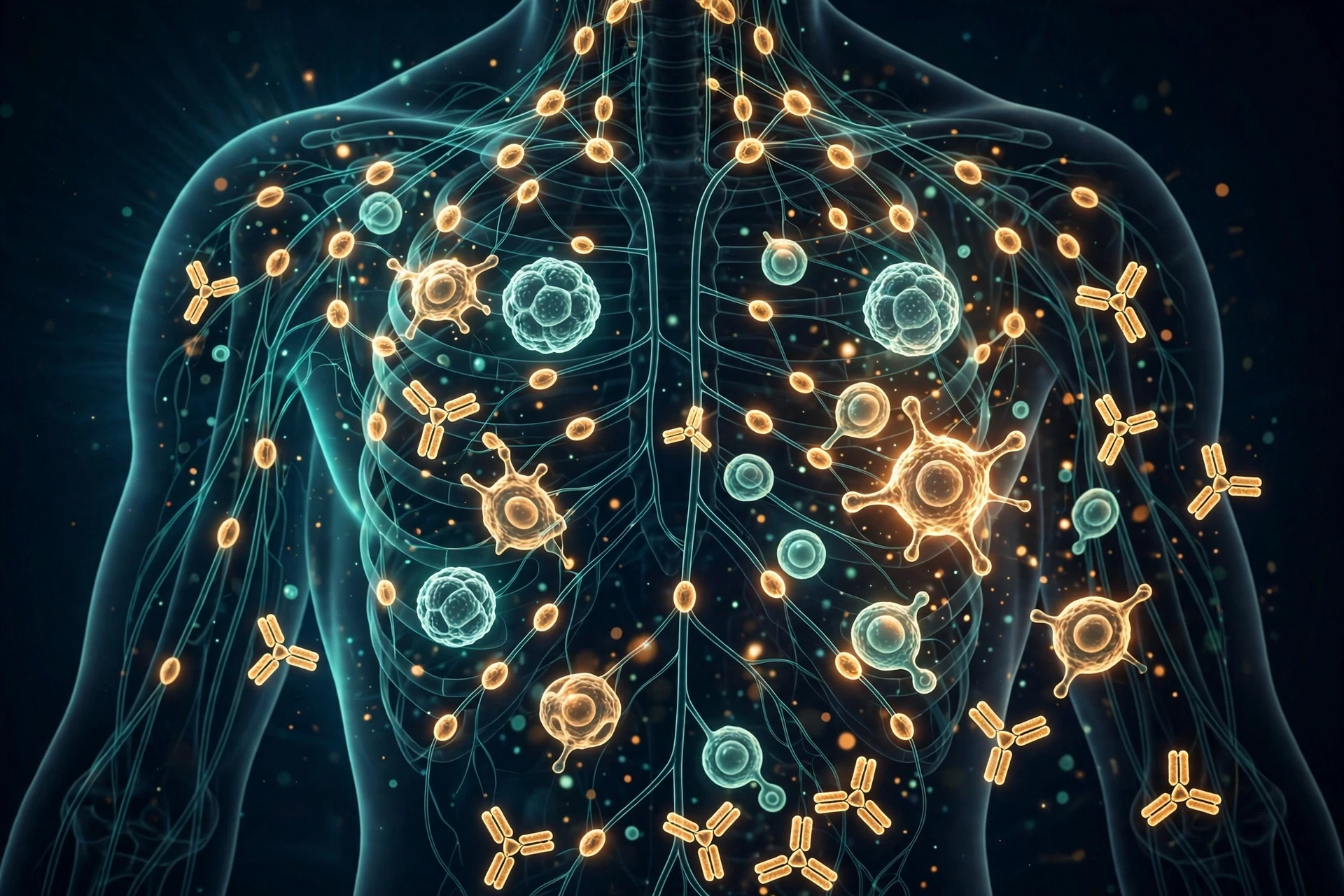
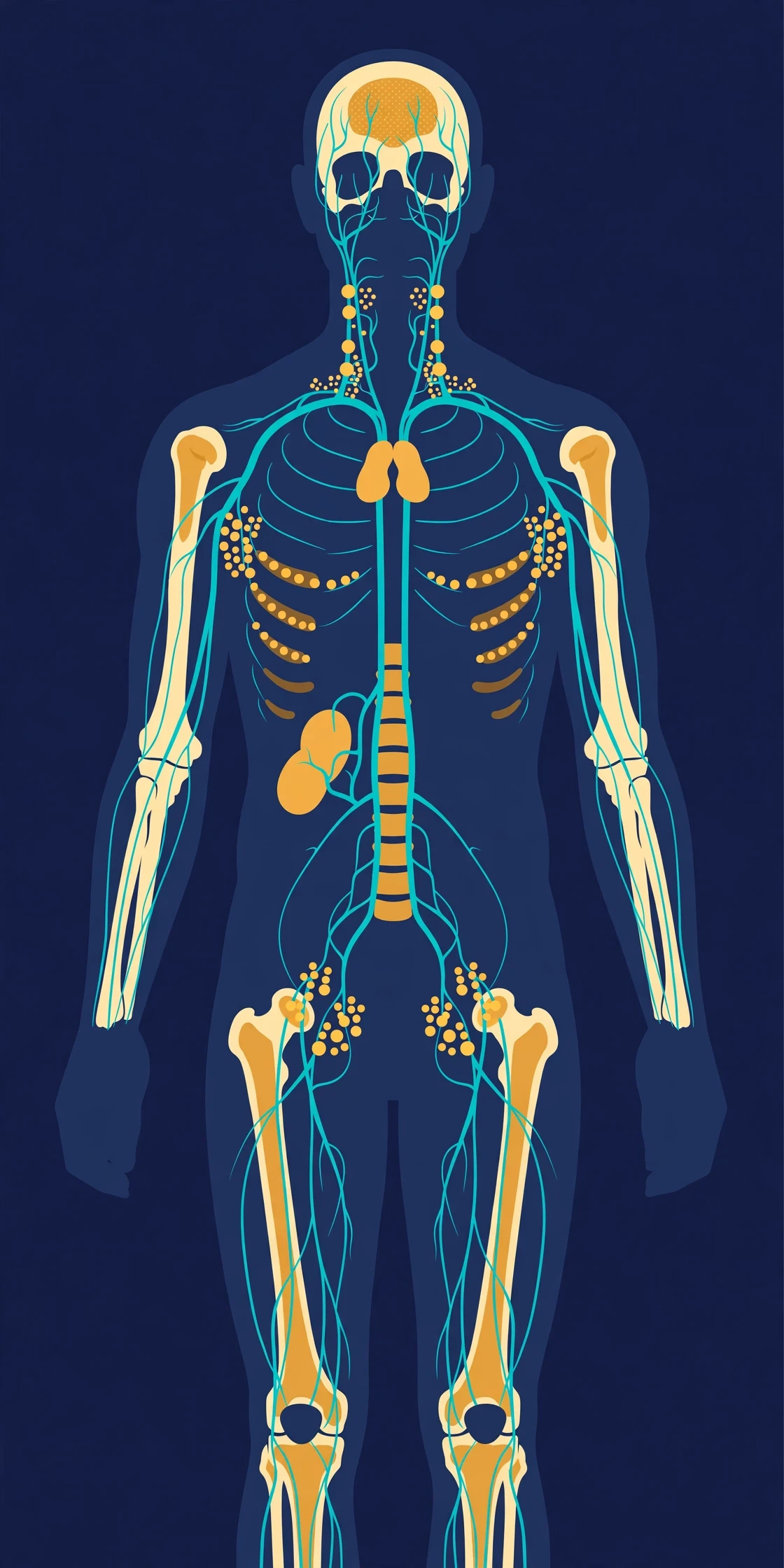
The human immune system is a network, not an organ. You cannot point to it the way you point to your heart. It lives in your bone marrow, your thymus, your spleen, your lymph nodes, your gut, your skin, and your bloodstream — all at once. The National Institute of Allergy and Infectious Diseases describes it the same way: a complex and pervasive system of cell types that either circulate throughout the body or reside in a particular tissue, each playing a unique role in recognising problems, communicating with other cells, and performing its function (NIAID overview of the immune system).
That distribution is the point. An invader can enter through a cut, a breath, a bite of food, or a mosquito's needle. A defence fixed in one place would be useless. So the body keeps its defenders moving. Immune cells constantly circulate through the bloodstream, patrolling for problems, and they converge in lymph nodes — communication hubs where information from distant tissues is sampled and acted on.
1.1 Self versus non-self: the question everything turns on
Every immune decision begins with one question: is this me, or is this not me? Healthy cells carry molecular identity tags that say, in effect, "I belong here." Invaders carry different tags — molecules the body has never made. The immune system reads those tags the way a border guard reads a passport.
The signals it reads have names worth knowing. Pathogen-associated molecular patterns, or PAMPs, are features shared by many microbes — the cell wall of a bacterium, the double-stranded RNA of a virus. Danger-associated molecular patterns, or DAMPs, are signals released by your own damaged cells, for example after a sunburn or an injury. PAMPs say "an invader is here." DAMPs say "tissue is hurt." Together they tell the system not only that something is wrong, but roughly what kind of wrong it is.
Getting this question right matters more than getting it fast. When the system cannot be activated when there is a real threat, infection spreads. When it activates without a real threat, or fails to switch off once the danger has passed, the result is allergy or autoimmune disease — the body attacking itself.
1.2 The three jobs: recognise, respond, remember
Strip away the complexity and the human immune system has three jobs. First, recognise — detect invaders and damaged cells quickly, and tell self from non-self. Second, respond — destroy the threat, limit the damage, and repair the tissue. Third, remember — keep a record of what was seen, so the next encounter is faster and stronger.
Those three jobs are divided between two great branches. Innate immunity is the fast, general branch you are born with: it responds within minutes or hours to any invader, without needing to learn its identity first. Adaptive immunity is the slow, specific branch: it takes days to build a response, but it targets one particular invader with extraordinary precision, and it remembers. Neither branch works alone. The innate branch holds the line and sends information forward; the adaptive branch uses that information to mount its attack. Without the first, the second would never start. Without the second, many infections would never end.
The immune system does not ask for your permission, and it does not wait for instructions. It notices, it decides, and it acts — thousands of times a day, in every tissue you own.
1.3 How big is the job?
Consider the scale. Your skin alone is about two square metres of barrier, and your gut lining is far larger. Every breath draws in thousands of microbes. Every meal is a delivery of foreign proteins, bacteria, and viruses. Most of them are harmless or helpful. A few are dangerous. The immune system must sort the dangerous from the harmless in real time, in dozens of tissues at once, without shutting down the business of living — eating, breathing, healing — in the process.
That sorting job is why the system is built the way it is: layered, redundant, and distributed. If one layer fails, the next catches the problem. If one cell type misses an invader, another notices. The story of the immune system is the story of those layers, and we will meet them one at a time.
2. The First Line of Defense: Barriers
Before any cell fires a shot, the body tries to keep invaders out. The first line of defense is physical and chemical, and it is the least appreciated part of the human immune system — precisely because it works so quietly that you never notice it.
2.1 Skin: the wall you live in
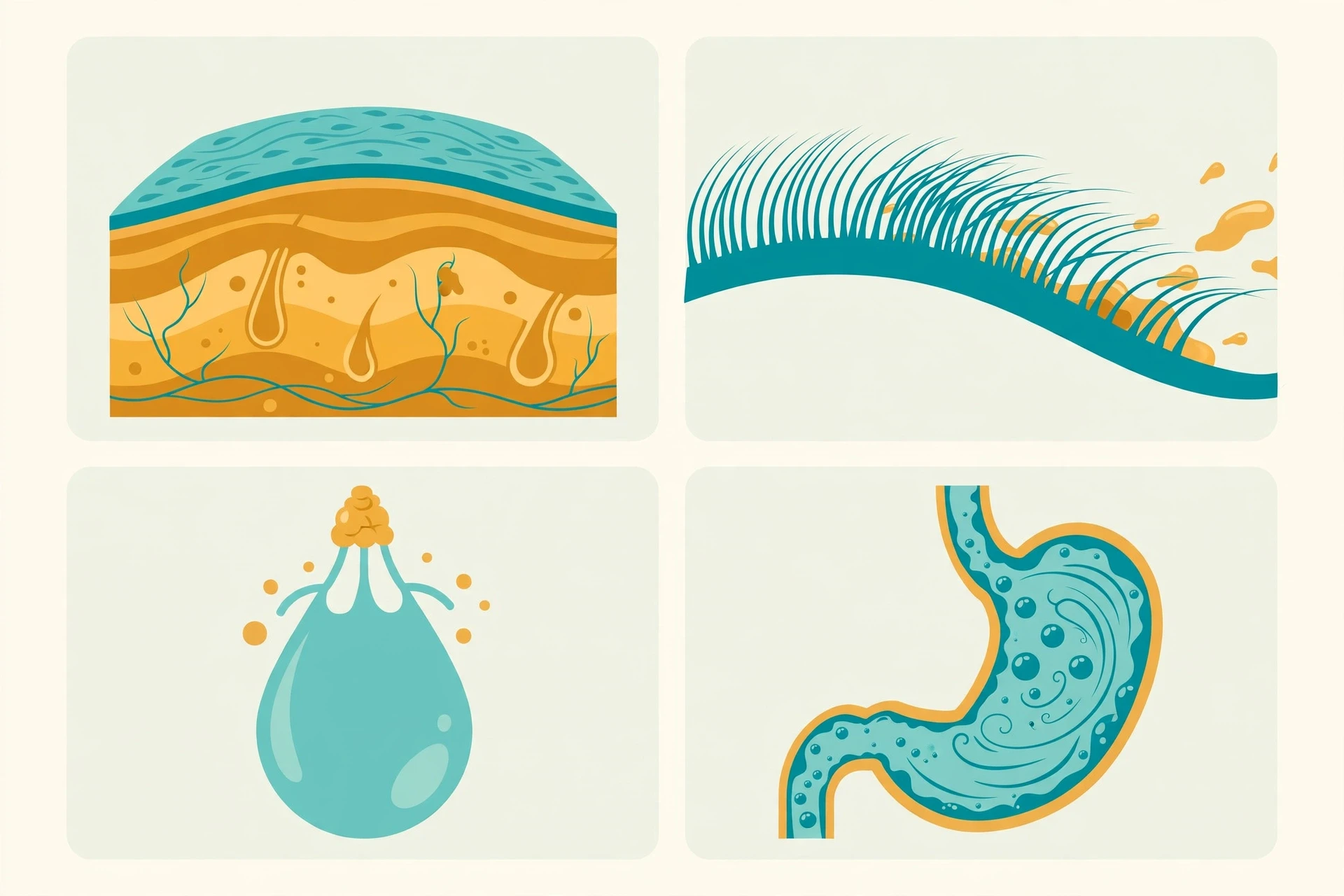
Your skin is the largest barrier you own. Its outer layer is made of dead, flattened cells packed with a tough protein called keratin, sealed with oils. Microbes land on it constantly and find nothing to eat and nowhere to grip. The skin is also slightly acidic, and that acidity discourages many bacteria. Skin cells produce antimicrobial proteins, and immune cells sit in specific layers of skin, ready to act if the wall is breached.
I think of skin the way a medieval town thought of its walls: not as a weapon, but as a fact of geography. An invader has to get over it, through it, or around it — and the body has made all three routes hard.
2.2 Mucus, tears, saliva, and stomach acid
Where skin ends, wet barriers take over. The nose, mouth, airways, and gut are lined with mucous membranes — moist inner linings that make mucus and other substances which trap and fight germs, as MedlinePlus describes them (MedlinePlus: Immune System and Disorders). Mucus is sticky by design. It catches dust, pollen, and microbes, and tiny hair-like cilia sweep the loaded mucus away, up and out of the airways.
Tears and saliva carry an enzyme called lysozyme, which breaks bacterial cell walls. Stomach acid is strong enough to kill most microbes swallowed with food. Even the flow of urine flushes bacteria out of the urinary tract. None of these is dramatic. All of them are doing, right now, the quiet work that keeps the louder parts of the immune system unemployed most of the time.
2.3 When barriers fail
Barriers fail all the time, in small ways. You cut your finger on paper. You breathe in a virus that slips past the mucus. A burn breaks the skin over a wide area. That is when the second layer wakes up — and that is where the story gets louder, warmer, and sometimes painful. The redness around a cut, the swelling, the heat: those are not the infection. They are the immune system arriving.
A student once asked me why a small splinter could make a whole fingertip throb. I told her to think of it as a road closure. The body closes the roads around the splinter, floods the area with cells and fluid, and raises the temperature to make life harder for the invader. The pain is the price of the roadworks. It is also the signal that the second line of defense has taken over.
3. Innate Immunity: The Fast, General Response
Innate immunity is the protection you are born with. It does not need to meet a microbe before to recognise it, and it does not remember individual invaders. What it does is respond — immediately, generally, and with force — to anything that looks like a threat. Cleveland Clinic puts it plainly: the innate immune system is part of the body's first-line defense, responding to invaders right away by attacking any organism that should not be in the body (Cleveland Clinic: Immune System).
3.1 Phagocytes: the eaters
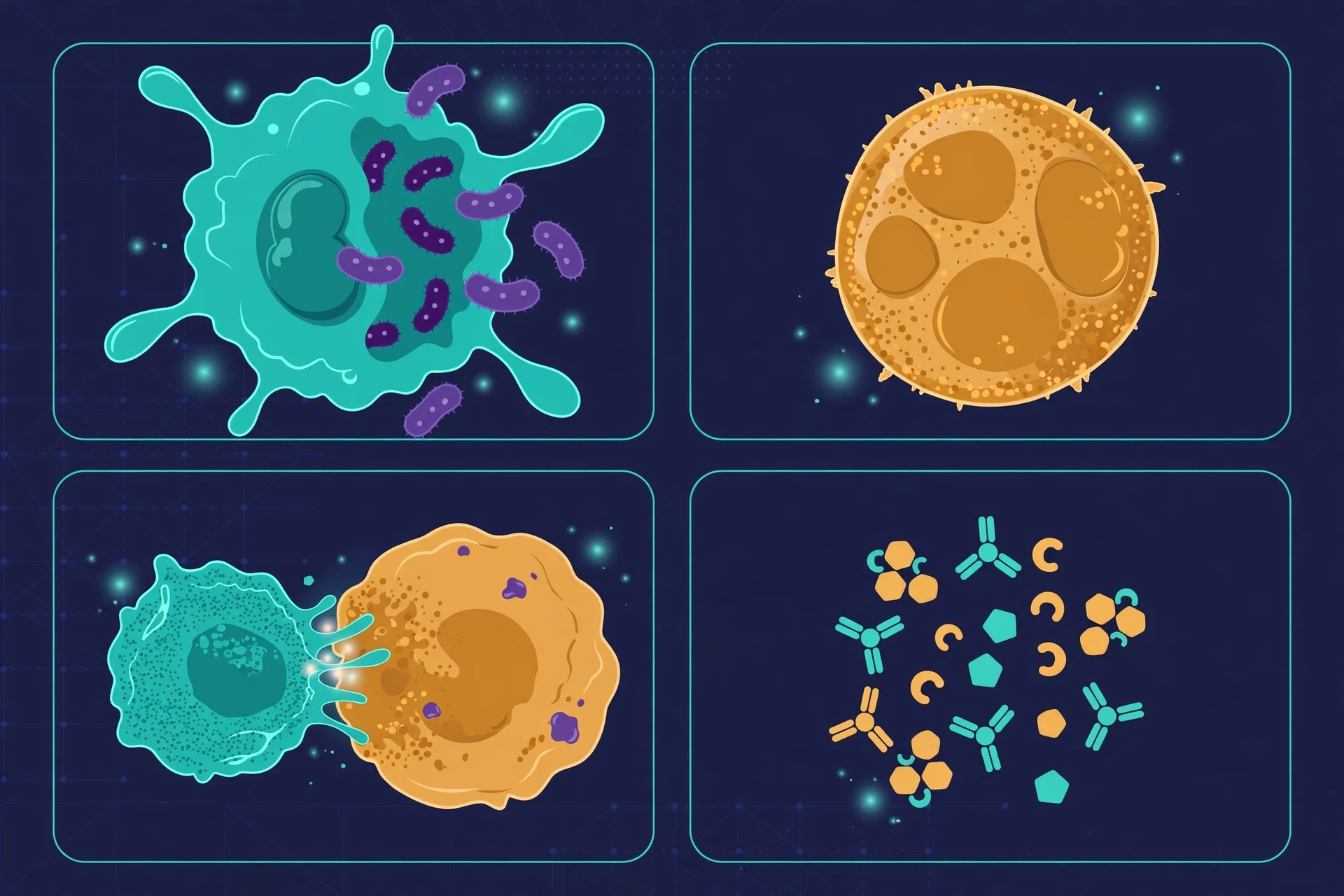
The workhorses of innate immunity are the phagocytes — cells that eat. Macrophages are the long-lived residents of tissues. They sit in the lungs, the liver, the gut, and the skin, sampling their surroundings and swallowing anything suspicious. When a macrophage eats a bacterium, it seals the microbe inside a pocket, floods the pocket with acid and enzymes, and digests it. Then it displays fragments of the invader on its surface, like a flag, so that other immune cells can see what it found.
Neutrophils are the rapid-response version. They are the most numerous white blood cells in your blood, and they arrive at an infection site within minutes. A neutrophil lives only a day or two, and it spends that short life in a hurry: it follows chemical trails to the invader, swallows it, and often dies in the process. The pus in an infected cut is mostly dead neutrophils — the fallen, not the invader.
Dendritic cells are the messengers. They pick up fragments of invaders in the tissues and carry them to the nearest lymph node, where they show those fragments to the adaptive immune system. Without dendritic cells, the adaptive branch would never learn what it is supposed to fight.
3.2 Natural killer cells, complement, and the chemical alarm
Not every innate defender eats. Natural killer (NK) cells patrol for your own cells that have gone wrong — cells infected by a virus, or cells turning cancerous. A healthy cell displays a "do not kill me" signal on its surface. An infected or damaged cell often loses that signal, and the NK cell reads the absence as a reason to destroy it. It is a system that works by noticing what is missing, not only what is present.
The complement system is a team of about twenty proteins floating in the blood. When they detect a microbe, they assemble into a chain reaction: some coat the microbe so phagocytes can grip it, some summon more immune cells to the site, and some punch holes directly into the microbe's membrane. Complement is one of the oldest parts of immunity — so old that versions of it exist in animals far simpler than us.
Then there are the cytokines, the chemical messengers. These small proteins tell immune cells where to go and what to do. Some call neutrophils to the site. Some raise the body's temperature, producing a fever that makes it harder for many microbes to reproduce. Some trigger inflammation — the redness, heat, swelling, and pain that mark an active response. Inflammation feels like a problem, and sometimes it is. But in its proper place, it is the body opening the roads, widening the blood vessels, and flooding the area with defenders.
3.3 Innate versus adaptive: the two branches side by side
The contrast between the two branches is the key to the whole system. One is fast and general; the other is slow and precise. One remembers nothing; the other remembers for decades.
Feature | Innate immunity | Adaptive immunity |
|---|---|---|
Present from | Birth — ready at all times | Develops over a lifetime of encounters |
Speed of response | Minutes to hours | Days to weeks on first encounter |
Specificity | General — recognises patterns shared by many microbes | Specific — targets one particular invader |
Memory | None — every encounter is like the first | Yes — memory cells remember past invaders for years |
Main cells | Macrophages, neutrophils, dendritic cells, natural killer cells | B cells and T cells (lymphocytes) |
Main weapons | Phagocytosis, inflammation, complement, fever | Antibodies, killer T cells, immunological memory |
The table hides a subtle truth: the two branches are not rivals. They are a relay. The innate branch detects, contains, and reports. The adaptive branch reads the report and finishes the job with precision. When the relay breaks — when the innate branch fails to pass the message on — the adaptive branch never arrives, and an infection that should have been a footnote becomes a crisis.
4. Adaptive Immunity: The Slow, Specific Response
Adaptive immunity is where the human immune system becomes personal. It is the branch that learns. It takes days to build a response, and that delay is its price — but what it buys with that time is precision: an attack aimed at one specific invader, and a memory that can last a lifetime.
4.1 B cells and the antibody factory
B cells are the antibody makers. Each B cell carries on its surface a receptor shaped to fit one particular molecular pattern — one antigen — and no other. Your body makes millions of different B cells, each with a different receptor, so that somewhere in the crowd there is a cell that fits almost any invader that might arrive. It is a lottery played with enormous numbers, and the prize is survival.
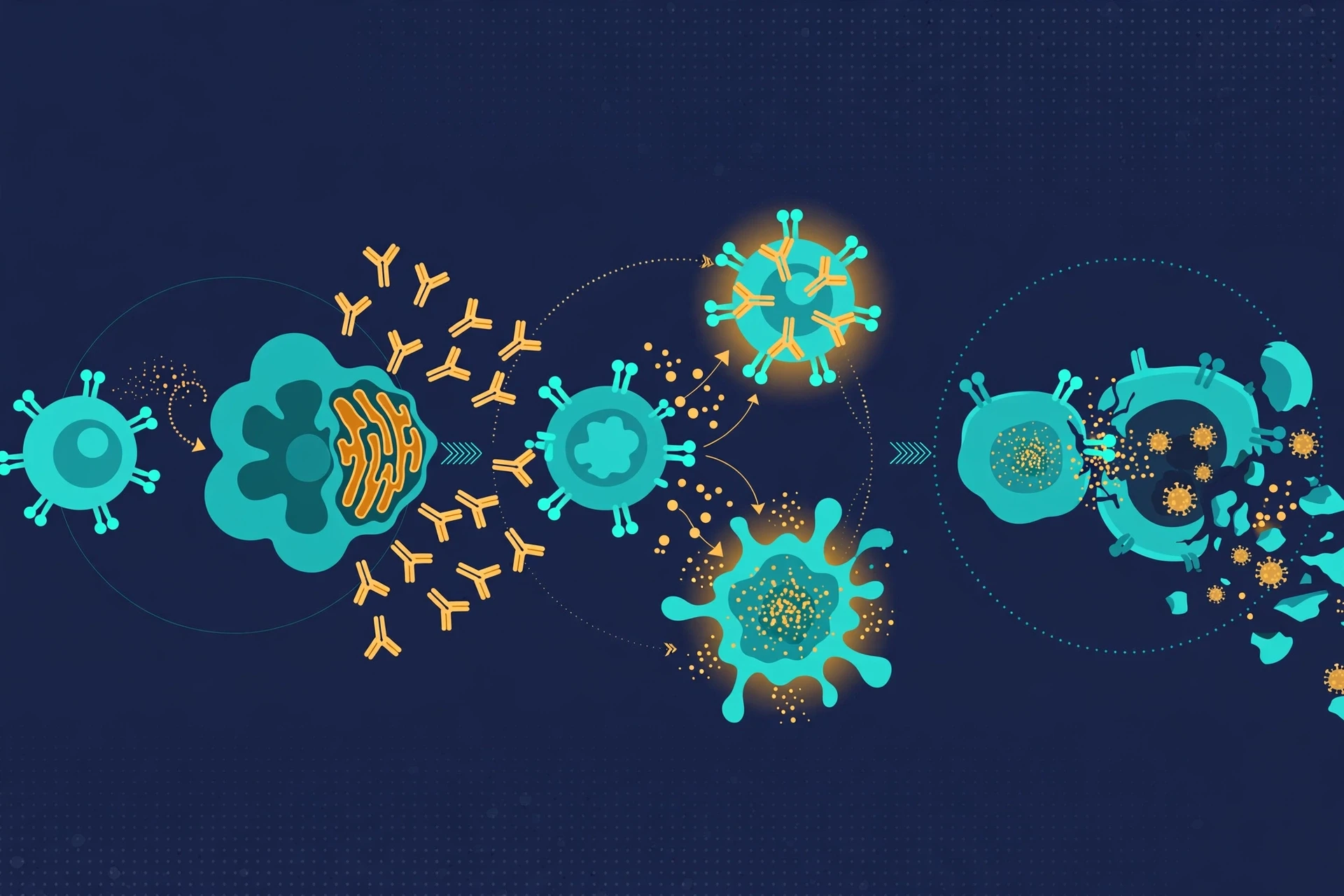
When a B cell meets its matching antigen, and receives confirmation from a helper T cell, it begins to divide rapidly. Some of its daughters become plasma cells — factories that pour out antibodies, the Y-shaped proteins that bind to the invader. Others become memory B cells, which stay behind after the infection clears, waiting quietly for the same invader to return.
4.2 Antibodies: the guided missiles
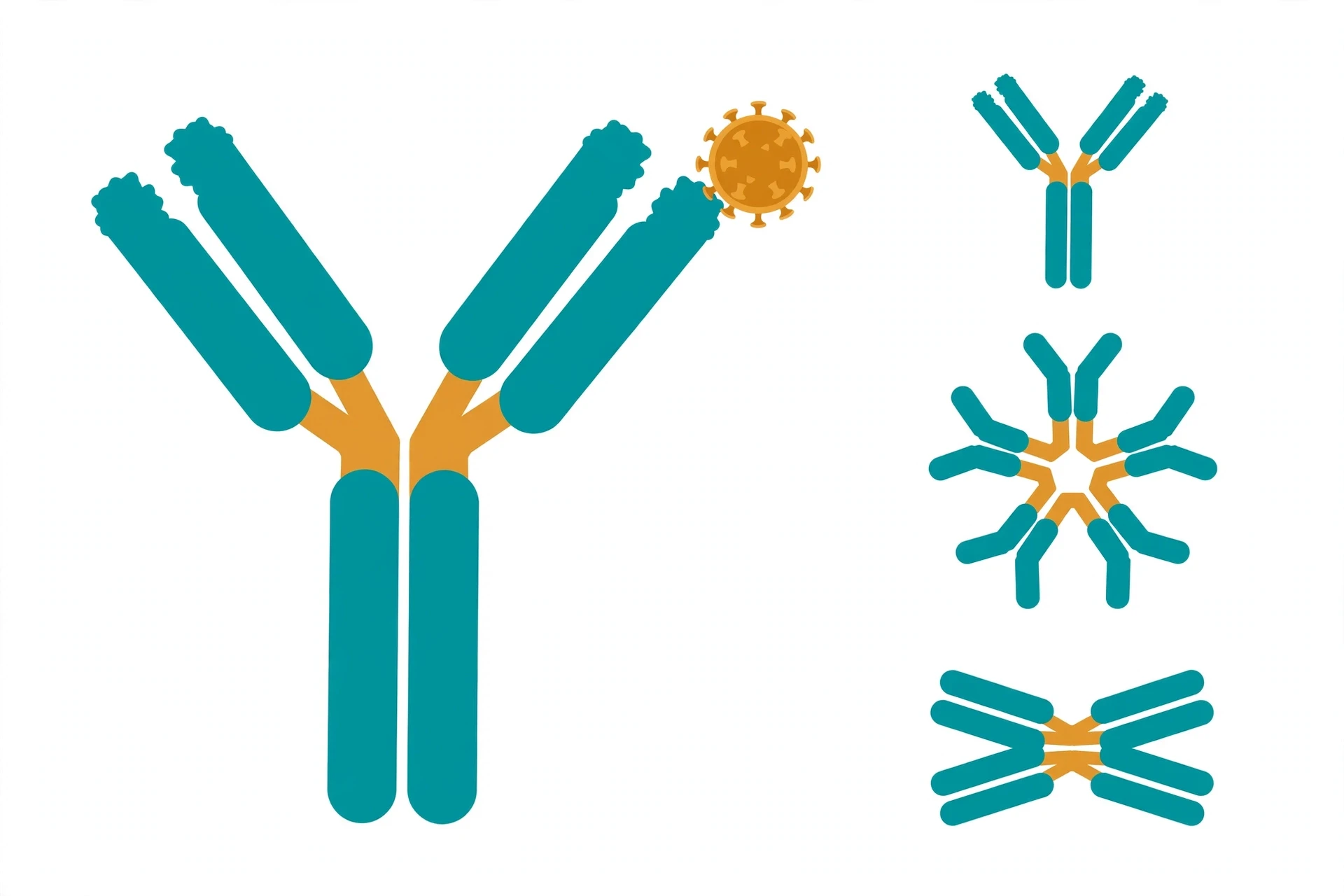
An antibody is a protein shaped like the letter Y. The tips of the Y are the business end: they fit one specific antigen the way a key fits a lock. The stem of the Y is the handle that other immune cells grip. Once antibodies coat an invader, three things happen. The invader may be neutralised — blocked from entering cells at all. It becomes easier for phagocytes to grab and eat, a process called opsonisation. And the complement system is switched on, punching holes in it.
There are five main classes of antibody, and each has a different job. IgM is the first responder, big and fast, appearing early in an infection. IgG is the most common and the longest-lasting — the antibody that crosses the placenta to protect a newborn, and the one that dominates in the blood for months after an infection. IgA guards the mucous membranes of the gut and airways. IgE is the allergy antibody, the one that overreacts to pollen and peanuts. IgD is the least understood, a quiet presence on the surface of B cells. The variety is not decoration. It is the system matching the weapon to the battlefield.
4.3 T cells: helpers, killers, and the art of presentation
T cells are the other half of adaptive immunity, and they work differently from B cells. They do not float free in the blood looking for invaders. They inspect your own cells, one by one, checking what each cell is displaying on its surface. Every cell in your body presents small fragments of the proteins inside it on molecules called MHC — the major histocompatibility complex. A healthy cell displays fragments of normal proteins. An infected cell displays fragments of the virus inside it. A cancerous cell displays fragments of its broken machinery. T cells read those displays.
Helper T cells (CD4+) are the coordinators. When they recognise a foreign fragment, they release cytokines that activate B cells, supercharge macrophages, and rally the whole response. Without helper T cells, the rest of the system stalls — which is why HIV, a virus that destroys helper T cells, is so devastating.
Cytotoxic T cells (CD8+) are the killers. When they find a cell displaying a foreign fragment, they release chemicals that force the infected cell to destroy itself, quietly and cleanly, without spilling its contents. It is a controlled demolition, and it stops a virus from using the cell as a factory.
Regulatory T cells are the brakes. They suppress the response once the threat is gone, and they stop the system from attacking the body's own tissues. When the brakes fail, autoimmunity follows.
I once watched a lab demonstration that made this click for a whole room of students. We had a culture of T cells and a sample of virus-infected cells, and under the microscope the T cells moved from cell to cell, pausing at each one, as if knocking on doors. At an infected cell, the T cell stopped, attached, and within minutes the target cell collapsed. The students were silent. Then one of them said, "It knew." That is the right word. The system knows — not by thinking, but by reading.
4.4 How the two branches talk to each other
Antigen-presenting cells are the bridge. A dendritic cell or macrophage swallows an invader, chops it into fragments, and displays those fragments on MHC molecules to T cells in a lymph node. The T cell that fits the fragment activates, divides, and sends the response back out into the body. This is why the innate branch matters so much to the adaptive one: without the first report, there is no second response.
The conversation goes both ways. Helper T cells, once activated, release cytokines that make macrophages far more aggressive eaters. Antibodies made by B cells make phagocytosis easier. Complement proteins amplify both. The system is not a chain of command. It is a network of conversations, each cell telling the next what it has found and what it needs.
5. The Lymphatic System: The Roads and Meeting Places
If immune cells are the defenders, the lymphatic system is the road network and the town square. It is a system of vessels and tissues that carries a clear fluid called lymph, and it is where much of the immune system's most important work — the meeting, the recognition, the decision — actually happens.
5.1 Lymph nodes: where information is exchanged
Lymph nodes are small, bean-shaped organs scattered through the body — in the neck, the armpits, the groin, the abdomen. Hundreds of them, each filtering the lymph that drains from nearby tissues. Inside a lymph node, immune cells are packed close together, and dendritic cells arrive carrying fragments of whatever they found in the tissues. T cells and B cells circulate through, inspecting those fragments, looking for a match.
When a match is found, the node changes. Cells divide rapidly, the node swells, and it may become tender to the touch. That swollen gland in your neck during a cold is not the infection. It is a lymph node working at full capacity — a meeting that has turned into a mobilisation. Doctors check for swollen lymph nodes for exactly this reason: a swollen node is evidence of an active immune response.
5.2 The spleen, thymus, and bone marrow
The spleen sits behind the stomach, filtering the blood rather than the lymph. It stores white blood cells, recycles old red blood cells, and traps blood-borne invaders. When immune cells in the spleen recognise a pathogen in the blood, they activate and respond in place.
The thymus is a small organ in the upper chest, and it is the school where T cells are educated. Young T cells arrive from the bone marrow and are tested: those that react strongly to the body's own molecules are destroyed, and those that react to nothing at all are also discarded. Only the cells that pass — able to recognise foreign fragments, unable to attack the self — are allowed to leave. The thymus is largest in childhood and shrinks with age, which is one reason the immune system's education is mostly finished early in life.
The bone marrow is the factory. All immune cells begin there, as stem cells that divide and specialise. The common myeloid progenitor gives rise to the innate cells — neutrophils, eosinophils, basophils, mast cells, monocytes, dendritic cells, and macrophages. The common lymphoid progenitor gives rise to the adaptive cells — B cells and T cells — as the NIAID overview describes (NIAID overview of the immune system). A single stem cell can, over time, produce the entire cast.
5.3 The gut: the largest immune organ you never think about
More immune cells live in and around the gut than anywhere else in the body. That makes sense when you think about it: the gut is a tube open to the outside world, metres long, and every meal brings in foreign proteins and trillions of microbes. The gut-associated lymphoid tissue — including Peyer's patches in the small intestine — samples what passes through, decides what is food and what is threat, and trains the system to tolerate the first and attack the second.
This is where the immune system meets the microbiome, the community of trillions of bacteria, fungi, and viruses that live on and inside us. The relationship is a negotiation, not a war. The gut immune system learns to leave helpful microbes alone while staying ready for the harmful ones. When that negotiation breaks down, the result can be chronic inflammation — and the conversation between gut and brain runs both ways. Sciory's Gut-Brain Connection: How It Relates to Mood describes how the microbes in the gut influence mood and brain function, a link that runs through immune signalling as much as through nerves.
6. An Immune Response, Step by Step
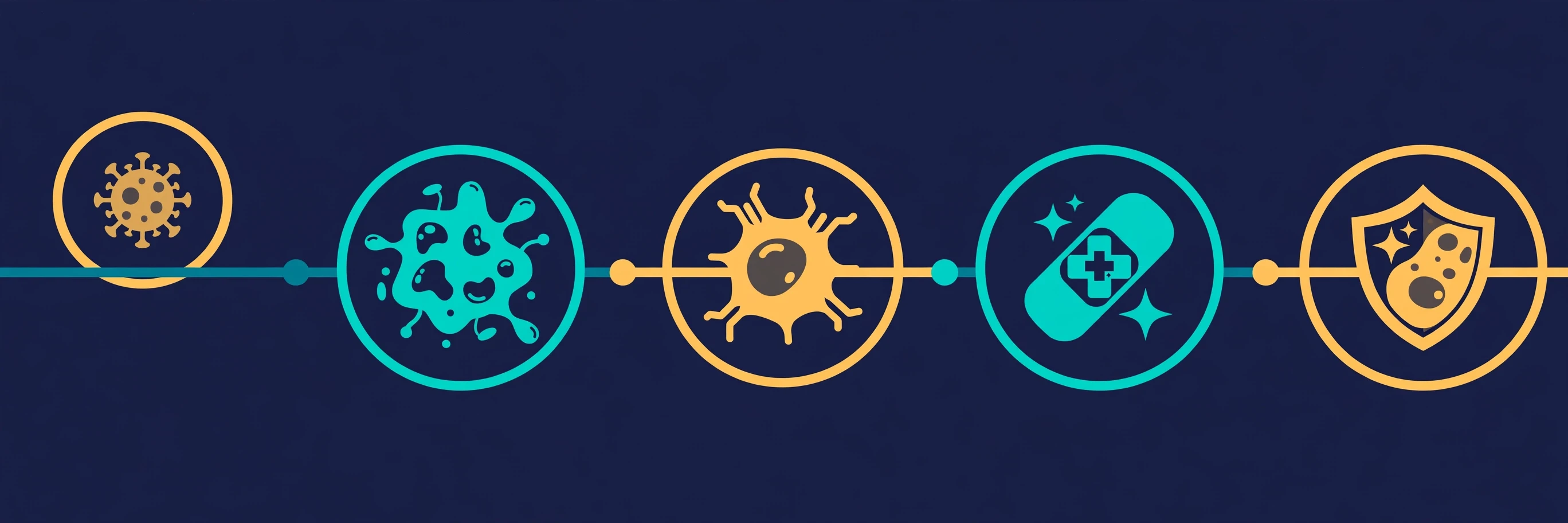
It helps to follow one infection from start to finish. The story is the same whether the invader is a virus, a bacterium, or a fungus — only the details change. Here is what happens when a virus slips past the barriers and into the tissues of the nose.
6.1 The first hours: alarm and containment
Within minutes, resident macrophages in the tissue notice the damage and the viral patterns. They release cytokines, and blood vessels in the area widen and become leaky. Fluid rushes in — that is the swelling. Neutrophils arrive from the blood, following the chemical trail, and begin swallowing virus particles and infected cells. Natural killer cells start destroying infected cells. The complement system punches holes in free virus particles. This is the innate response at full speed, and it is enough, much of the time, to stop a small invasion cold.
At the same time, dendritic cells are picking up viral fragments and travelling to the nearest lymph node. The alarm has been raised. The adaptive branch has been told.
6.2 Days two to seven: the specific response arrives
In the lymph node, a dendritic cell presents a viral fragment to T cells. Most T cells ignore it. One — the one whose receptor fits — stops, activates, and begins to divide. Within days there are thousands of copies of that one cell, all aimed at the same target. Helper T cells activate B cells, which begin producing antibodies. Cytotoxic T cells leave the lymph node and travel to the infected tissue, where they destroy infected cells one by one.
This is the slowest part of the story, and it is the part you feel. The fever, the aches, the exhaustion — much of it is not the virus. It is the immune response itself: cytokines signalling the brain to raise the temperature, to make you rest, to divert energy to the fight.
6.3 Resolution and memory
Once the virus is cleared, the response must stop. Regulatory T cells suppress the attack. Most of the effector cells — the short-lived fighters — die off. A small number remain as memory cells: memory B cells and memory T cells, waiting in the lymph nodes and tissues for years, sometimes for a lifetime. The next time the same virus appears, those cells respond in hours, not days, and with far greater force. That is why a second infection with the same virus is usually milder, or never noticed at all.
7. Immunological Memory and Vaccines
Memory is the human immune system's greatest trick. It turns a slow, expensive first response into a fast, cheap second one. And vaccines are the art of borrowing that trick without paying the price of the disease.
7.1 Primary and secondary responses
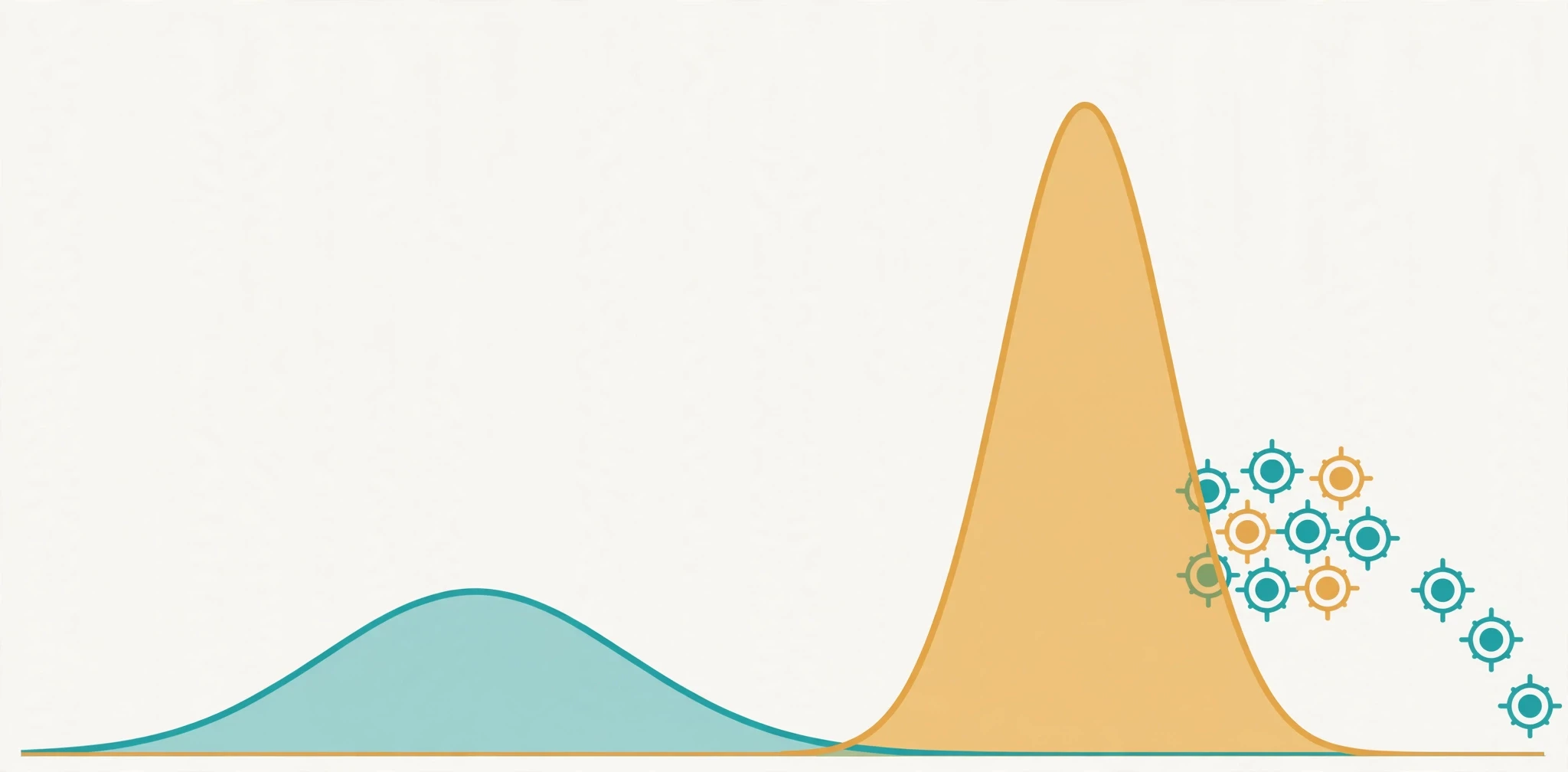
The first time the body meets an invader, the response is called the primary response. It is slow — days to weeks — and the antibody levels rise gradually, then fall. The second time, the secondary response is faster, stronger, and longer-lasting, because memory cells are already in place. The difference is dramatic: where the primary response might take a week to produce useful antibodies, the secondary response can do it in a day or two.
I still use a simple demonstration when I teach this. I draw two curves on a board: a low, slow hill for the first encounter, and a tall, steep mountain for the second. Then I ask the room which curve they would rather have when a real virus arrives. Everyone picks the mountain. Vaccines are how we get the mountain without climbing the disease first.
7.2 How vaccines train the memory
A vaccine works by imitating an infection to engage the body's natural defenses, as the CDC explains: the active ingredient in every vaccine is an antigen, a substance that causes the immune system to begin producing antibodies (CDC: Explaining How Vaccines Work). The antigen may be a weakened or killed microbe, a piece of its surface, or genetic instructions that tell your cells to make a piece of it. The immune system responds the way it would to a real infection — antibodies are produced, memory cells are formed — but without the dangers of a full-blown infection.
The World Health Organization describes the same idea from the other side: vaccines train your immune system to create antibodies, just as it does when exposed to a disease, and once exposed to one or more doses, we typically remain protected for years, decades, or even a lifetime (WHO: Vaccines and immunization). WHO estimates that childhood vaccines alone save over 4 million lives every year — a number that is hard to hold in the mind, until you remember that each one of those lives is a child who never got the disease.
Some vaccines need more than one dose. A single dose often gives only partial protection, and non-live vaccines typically need three or more doses, with boosters over time, because the protection they give fades. Live-attenuated vaccines, which contain a weakened living microbe, can give long-lasting protection with two doses. The schedule is not arbitrary. It follows the biology of memory.
7.3 Passive immunity: borrowed protection
Not all immunity is made by your own body. Passive immunity is protection borrowed from someone else: antibodies passed from mother to baby in the final months of pregnancy and through breast milk, or given as antibody-containing blood products. It works immediately, but it fades within weeks or months, because the body did not make the antibodies and cannot replace them. It is a bridge, not a foundation — useful while the baby's own immune system is still learning, or while a patient needs protection right now.
7.4 Herd immunity: protection that belongs to everyone
When enough people in a community are immune to a disease, the disease cannot easily spread, and even people who cannot be vaccinated — very young babies, people with certain illnesses or allergies — are protected by the immunity of those around them. That shared protection is called herd immunity, and it is the reason vaccination is not only a personal choice but a community one. The people who depend on it most are the people least able to protect themselves.
8. When the System Gets It Wrong
A system this powerful will sometimes make mistakes, and its mistakes are the most instructive part of the story. They show, by their shape, what the system is supposed to do.
8.1 Allergies: an alarm with no fire
An allergy is an immune response to something harmless. Pollen, a peanut, a dust mite — the system treats it as a dangerous invader and launches an attack. The antibody involved is usually IgE, and the response is fast and dramatic: sneezing, itching, swelling, and in severe cases, a dangerous drop in blood pressure. The tragedy of an allergy is not that the system is weak. It is that the system is strong, and aimed at the wrong target.
Why some people develop allergies and others do not is still being worked out. Genetics plays a part. Early exposure to microbes seems to play a part too — the idea, often called the hygiene hypothesis, is that a childhood with too few microbial encounters leaves the immune system under-trained and more likely to overreact. The evidence is mixed, and researchers are careful about it, but the broad point stands: the system learns what is dangerous from what it meets, and what it does not meet, it cannot learn to ignore.
8.2 Autoimmune disease: the guard turns inward
In autoimmune disease, the system attacks the body's own tissues. The education in the thymus is supposed to prevent exactly this: T cells that react strongly to self are destroyed before they leave. But the filter is not perfect, and when it fails, the consequences depend on the target. In type 1 diabetes, the immune system destroys the insulin-producing cells of the pancreas. In multiple sclerosis, it attacks the myelin that insulates nerves. In rheumatoid arthritis, it attacks the joints. In Hashimoto's thyroiditis, it attacks the thyroid gland — a condition Sciory's Hypothyroidism vs. Hashimoto's: Key Differences explains in detail, since the thyroid story is so often an immune story first.
Autoimmune diseases are more common in women than in men, and they often run in families. They are usually managed, not cured, by calming the immune response — which is a trade-off, because the same drugs that quiet an overactive system also leave the body more open to infection. It is a balance the body normally keeps on its own, and medicine, so far, can only approximate.
8.3 Immunodeficiency: when the defense is missing
At the other extreme is immunodeficiency, when part of the system is absent or broken. Some immunodeficiencies are inherited — a child born without working B cells, or without a working complement system, faces infections that a healthy child would brush off. Others are acquired. HIV is the most studied example: the virus destroys helper T cells, the coordinators of the whole response, and without them the system unravels. People with advanced HIV do not die of HIV itself. They die of infections their immune system can no longer fight — a reminder that the system is not a luxury. It is the difference between a cold and a catastrophe.
An immune system that never makes a mistake would be a miracle. The real system makes mistakes, learns from them, and keeps going — and medicine is, in large part, the art of helping it do that better.
9. The Human Immune System and Everyday Life
People ask me, more than any other question, how to "boost" the immune system. The honest answer is less exciting than the advertisements: there is no single food, supplement, or trick that supercharges it. What the evidence supports is less dramatic and more useful — the ordinary habits that let a well-built system do its job.
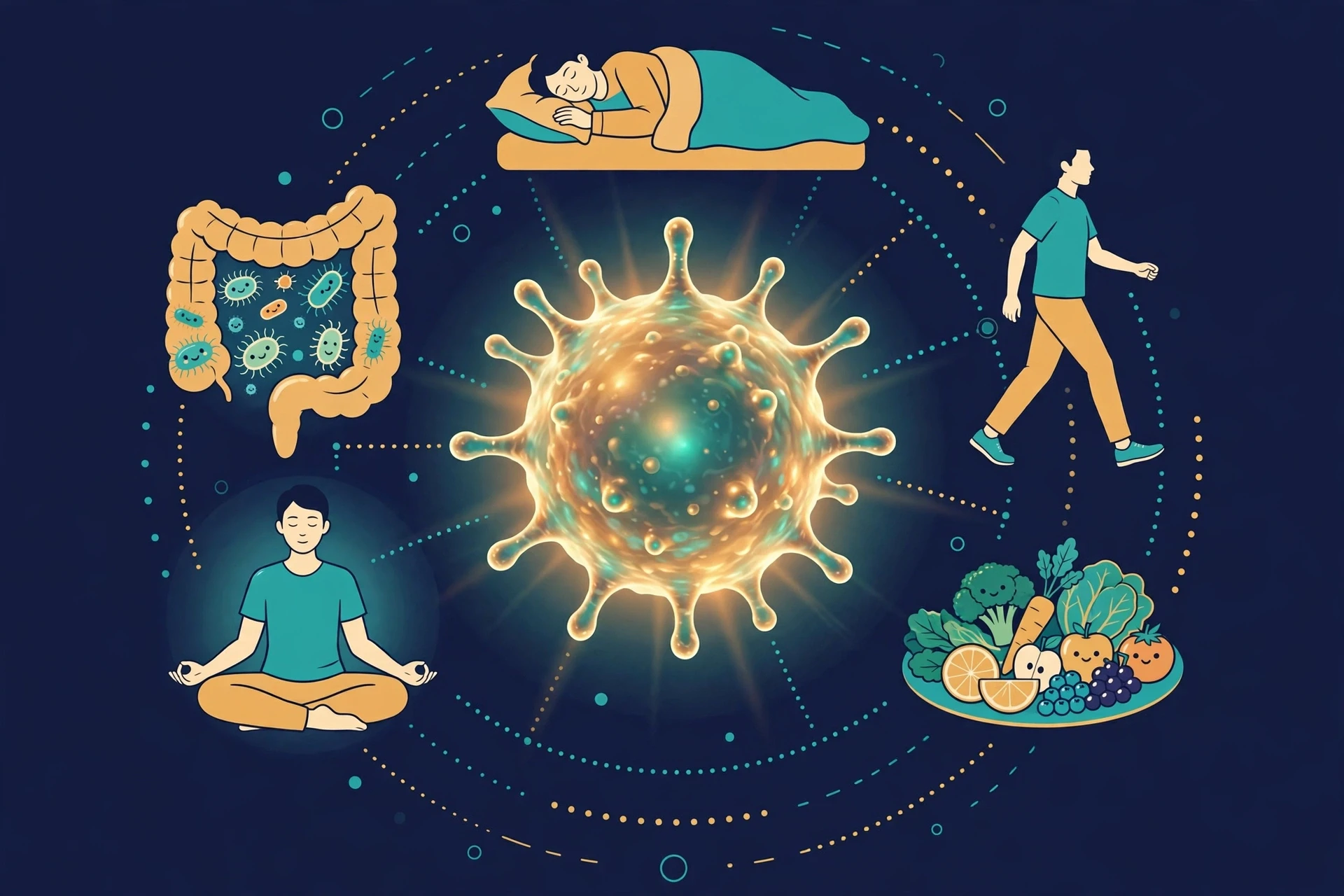
9.1 Sleep, stress, movement, and food
Sleep is when the system does some of its most important work. During sleep, immune cells redistribute, cytokines are produced, and the memory of the day's encounters is consolidated. People who regularly sleep too little catch more colds, and their responses to vaccines are weaker. The mechanism is still being mapped, but the pattern is consistent.
Stress cuts the other way. Short bursts of stress can sharpen the response; chronic stress blunts it. The stress hormone cortisol suppresses lymphocyte activity over time, which is one reason prolonged stress is linked to more frequent infections. Sciory's High Cortisol Symptoms: Signs of Chronic Stress describes how chronic stress shows up in the body, and the immune effects are part of that picture.
Movement helps, in moderation. Regular, moderate exercise is associated with better immune function and fewer respiratory infections. Exhausting, prolonged exercise without recovery can temporarily suppress it — the system, like everything else, needs rest between efforts.
Food matters because immune cells are built from nutrients. Protein provides the amino acids for antibodies. Vitamins A, C, D, and E, and minerals like zinc and iron, are all involved in immune function. Vitamin D is the one most often in the news, and for good reason: it helps regulate immune responses, and deficiency is common. Sciory's Vitamin D Deficiency: Symptoms & Treatment covers what deficiency looks like and how it is addressed. The anti-inflammatory pattern of eating — plenty of vegetables, fruit, whole grains, fish, and olive oil, less processed food — supports the system in the same way it supports the heart. Sciory's Anti-Inflammatory Diet: Foods & Benefits lays out that pattern in detail.
None of this is a prescription. It is a description of how the system is supplied. A well-fed, well-rested, regularly moving body gives its immune system the raw materials it needs. A tired, stressed, poorly fed one does not. The system cannot be boosted above its design. It can only be given what it needs to work as designed.
9.2 Ageing: the slow change called immunosenescence
The immune system changes with age. The thymus shrinks, so fewer new T cells are educated. The response to new invaders becomes slower, and the response to vaccines becomes weaker. At the same time, low-level inflammation tends to rise — a state researchers call inflammaging. The result is a system that is both less precise and more easily stirred: more infections, slower healing, and a higher risk of autoimmunity and cancer.
This is not a failure of will or of habit. It is biology, and it is one of the reasons the science of healthy ageing pays so much attention to immunity. The genes that build the system, and the damage they accumulate over a lifetime, are part of the same story. Sciory's DNA: Structure, Replication, and Role in Heredity describes how the instructions for every immune cell are written and copied — and how errors in that copying accumulate over time.
9.3 The brain and the immune system talk to each other
The immune system and the brain are not separate worlds. Immune cells signal the brain during an infection — that is why you feel tired, lose your appetite, and want to sleep when you are ill. The brain, in turn, signals the immune system through hormones and nerves. Chronic stress, grief, and loneliness are all associated with measurable changes in immune function. The connection runs through the gut as well, and through the same inflammatory signals that link mood and body. Sciory's Human Brain Anatomy and Functions: A Complete Guide describes the structures that carry those signals, from neurons to the networks that produce thought — and the immune cells that patrol alongside them are part of the same conversation.
10. Common Misconceptions About the Human Immune System — Corrected
"You can boost your immune system with a supplement." No single product supercharges immunity. The system works best when it has what it needs — sleep, nutrients, movement, low chronic stress — and no supplement replaces those.
"A strong immune system never gets sick." Even a healthy system gets infected. The difference is that it clears infections faster and with less damage. Getting a cold is not proof the system failed; it is proof the system is working, and the cold is usually the price of the fight.
"Fever is the enemy." Fever is mostly the immune system at work: cytokines raising the body's temperature to make life harder for microbes. A fever is a sign to watch, and a high or prolonged fever needs medical attention — but the fever itself is a tool, not the disease.
"Vaccines overwhelm the immune system." The antigens in vaccines are a small fraction of what the body encounters every day. The immune system handles thousands of antigens daily; a vaccine adds a few, in a controlled form, with a specific lesson attached.
"Natural immunity is always better than vaccine immunity." Natural infection can give strong immunity, but it carries the risk of the disease itself — including severe illness and lasting damage. Vaccines give the lesson without the disease. The comparison is not between two kinds of protection. It is between protection with risk and protection without it.
"Allergies mean a weak immune system." Allergies usually mean an overactive one — a strong response aimed at a harmless target. The problem is aim, not strength.
10.1 Current research and open questions
The field is moving fast, and some of the most interesting questions are still open. Researchers are mapping how the microbiome trains the immune system in early life, and whether that training can be guided. They are studying why some people develop long-lasting memory after an infection while others do not, and how ageing changes the balance between protection and inflammation. Cancer immunotherapy — treatments that help the immune system recognise and destroy cancer cells — has already changed how some cancers are treated, and it is still in its early chapters. And the question of how much of immunity is written in our genes, and how much is written by our lives, is being answered one study at a time.
Conclusion: A System That Learns
The human immune system is not a wall. It is a network that notices, decides, acts, and remembers. It begins with skin and mucus, hands the problem to fast general responders, and finishes with slow specialists who learn the invader's name and never forget it. It makes mistakes — allergies, autoimmunity, the slow changes of age — and it keeps working anyway, because the alternative is not an option.
The next time you get a cold, pay attention to what your body is doing. The sore throat, the fever, the tiredness: those are not the virus winning. They are the conversation — the alarm, the mobilisation, the memory being written. Your immune system has been having that conversation since before you could speak, and it will keep having it, quietly, for as long as you live.
Frequently Asked Questions
What is the human immune system?
The human immune system is a network of cells, tissues, and organs — including white blood cells, antibodies, lymph nodes, the spleen, the thymus, and the bone marrow — that works together to defend the body against infections and other diseases. It recognises foreign substances, responds to destroy them, and remembers them for future encounters.
What are the main components of the immune system?
The main components are white blood cells (including macrophages, neutrophils, B cells, and T cells), antibodies, cytokines, the complement system, and the lymphoid organs: bone marrow, thymus, spleen, lymph nodes, and tonsils. Skin and mucous membranes form the first line of defense.
What is the difference between innate and adaptive immunity?
Innate immunity is the fast, general protection you are born with: it responds within minutes or hours to any invader and has no memory. Adaptive immunity is slower and specific: it takes days to build a response to one particular invader, but it remembers it, so the next response is faster and stronger.
How does the immune system fight a virus?
It detects viral patterns and damaged cells, then macrophages and natural killer cells attack infected cells, antibodies block the virus from entering cells, and cytotoxic T cells destroy infected cells. Afterwards, memory B and T cells remain, ready to respond faster if the same virus returns.
What are antibodies and how do they work?
Antibodies are Y-shaped proteins made by B cells that bind to one specific antigen. Once bound, they can neutralise the invader, mark it for phagocytes to eat, and activate the complement system. The five main classes — IgM, IgG, IgA, IgE, and IgD — each have different roles.
How do vaccines work with the immune system?
Vaccines imitate an infection by presenting an antigen — a weakened or killed microbe, a piece of it, or genetic instructions to make a piece of it — so the immune system produces antibodies and memory cells without the dangers of the full disease. The memory then protects against future exposure to the real pathogen.
Can you boost your immune system?
There is no product that supercharges the immune system. What supports it is ordinary and well supported by evidence: enough sleep, regular moderate exercise, a balanced diet, managing chronic stress, and staying up to date with recommended vaccinations. These give the system what it needs to work as designed.
What happens when the immune system attacks the body?
When the immune system mistakes the body's own tissues for invaders, the result is autoimmune disease — for example type 1 diabetes, multiple sclerosis, or Hashimoto's thyroiditis. Allergies are a related mistake: a strong response to something harmless, such as pollen or a food.
Why do lymph nodes swell when you are ill?
Lymph nodes swell because immune cells inside them are dividing rapidly after recognising an invader. A swollen node is a sign of an active immune response, not of the infection itself, and it usually returns to normal as the response ends.
Does the immune system weaken with age?
Yes, gradually. The thymus shrinks, fewer new T cells are produced, responses to new invaders and to vaccines become slower, and low-level inflammation tends to rise. This process, called immunosenescence, is one reason infections and recovery times change as people get older.
Sources / Further Reading
NIAID: Overview of the Immune System — the National Institute of Allergy and Infectious Diseases on immune function, locations, and cell types. Verified: opened 2026-11-07, loads.
Cleveland Clinic: Immune System Function, Conditions & Disorders — components, innate versus acquired immunity, and how the system works. Verified: opened 2026-11-07, loads.
MedlinePlus: Immune System and Disorders — the U.S. National Library of Medicine on immune parts, types of immunity, and what can go wrong. Verified: opened 2026-11-07, loads.
CDC: Explaining How Vaccines Work — how vaccines imitate infection, antigens, antibodies, and memory. Verified: opened 2026-11-07, loads.
WHO: Vaccines and Immunization — What Is Vaccination? — how vaccines train the immune system and how long protection lasts. Verified: opened 2026-11-07, loads.
OpenStax Biology 2e: Innate Immune Response (Lumen Learning) — textbook-level detail on barriers, complement, and natural killer cells. Verified: opened 2026-11-07, loads.