

The alarm had not gone off yet, but my body already knew it was morning. My heart was beating a little faster, my mouth was dry, and a low hum of alertness was pulling me out of sleep. I lay there for a moment, half awake, and thought about how strange it was: no one had told my body to wake up. No switch had been flipped. Something inside me had simply decided, quietly and without asking permission, that it was time.
That something was the endocrine system — a network of glands that sends chemical messages, called hormones, through the blood to nearly every cell in the body. It does not shout. It does not work in straight lines. It whispers, adjusts, and corrects itself all day, every day, from the moment we are born until the day we die. It decides when we feel hungry and when we feel full, when we grow, when we sleep, how fast our hearts beat under stress, and how our bodies handle sugar after a meal. When it works well, we barely notice it. When it slips out of balance, we notice everything.
This article explains how the endocrine system works, gland by gland and hormone by hormone, in plain language — with the science underneath kept honest and intact.
1. What the Endocrine System Is
1.1 A postal service, not a telephone
The nervous system is a telephone. It sends fast, precise electrical signals down fixed wires to one exact destination, and the message arrives in milliseconds. The endocrine system is a postal service. A gland writes a chemical letter — a hormone — drops it into the bloodstream, and the letter travels everywhere. Only the cells with the right address, a matching receptor, open it and act on it.
That difference explains almost everything about hormones. They are slower than nerve signals, but their effects last longer and reach further. A nerve signal can make a single muscle twitch. A hormone can change the behaviour of millions of cells at once, across the whole body, for hours or days.
The word "endocrine" itself gives the game away. It comes from Greek roots meaning "within" and "to secrete": these glands secrete their products inward, directly into the blood, rather than outward through a duct. A sweat gland has a duct and a visible product. An endocrine gland has no duct. Its product disappears into the circulation and shows up, invisibly, somewhere else entirely.
1.2 What a hormone actually is
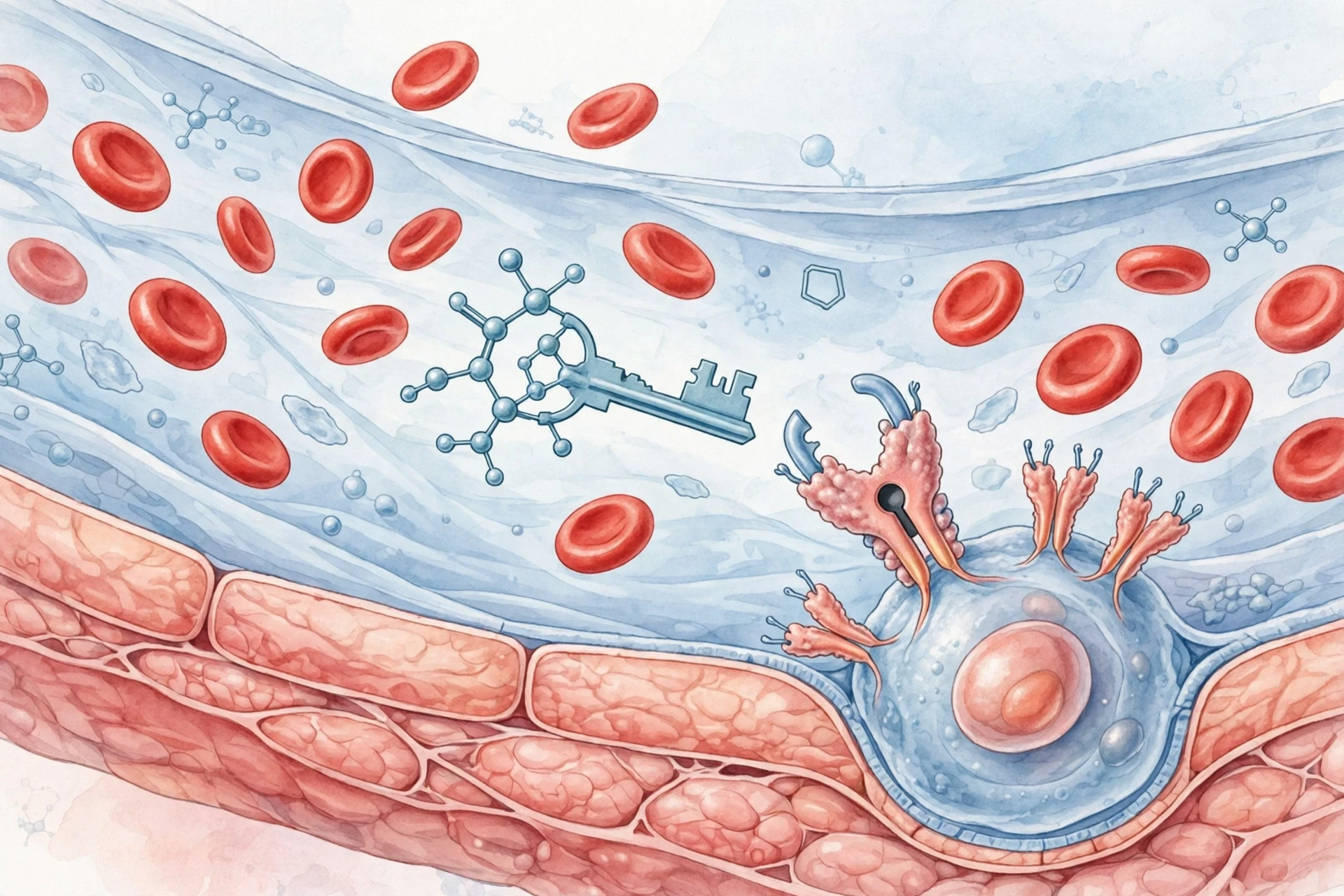
A hormone is a chemical messenger made by an endocrine gland or by hormone-producing cells, released into the blood, and able to change the activity of target cells that carry receptors for it. That is the whole definition, and it is worth holding on to, because much of the confusion about hormones comes from forgetting the second half: a hormone only works where a receptor is waiting for it.
I learned this the hard way in my early lab years. I was running an assay on a hormone I expected to act on every cell in a dish, and nothing happened. I checked the dose, the timing, the temperature, and then a senior colleague walked past, glanced at the plate, and asked the question I had missed: "Do those cells even have the receptor?" They did not. The hormone was fine. The audience was absent. A message with no one to read it is just chemistry floating past.
Hormones fall into a few broad chemical families, and the family decides how the message gets delivered:
Peptide and protein hormones — chains of amino acids, such as insulin and growth hormone. They are water-soluble, cannot cross the fatty cell membrane easily, and so they knock on the cell's front door: they bind a receptor on the cell surface and trigger a chain of signals inside.
Steroid hormones — built from cholesterol, such as cortisol, oestrogen, and testosterone. They are fat-soluble, slip straight through the cell membrane, and bind receptors inside the cell, often changing which genes get switched on.
Amine hormones — made from single amino acids, such as adrenaline and thyroid hormones. Some behave like peptide hormones at the cell surface; thyroid hormones, unusually, act inside the cell like steroids.
The chemistry matters because it sets the speed and the staying power. Adrenaline can act in seconds. A steroid hormone changing gene expression may take hours to show its full effect — and the effect may linger long after the hormone itself is gone.
2. The Glands: Who Sends the Messages
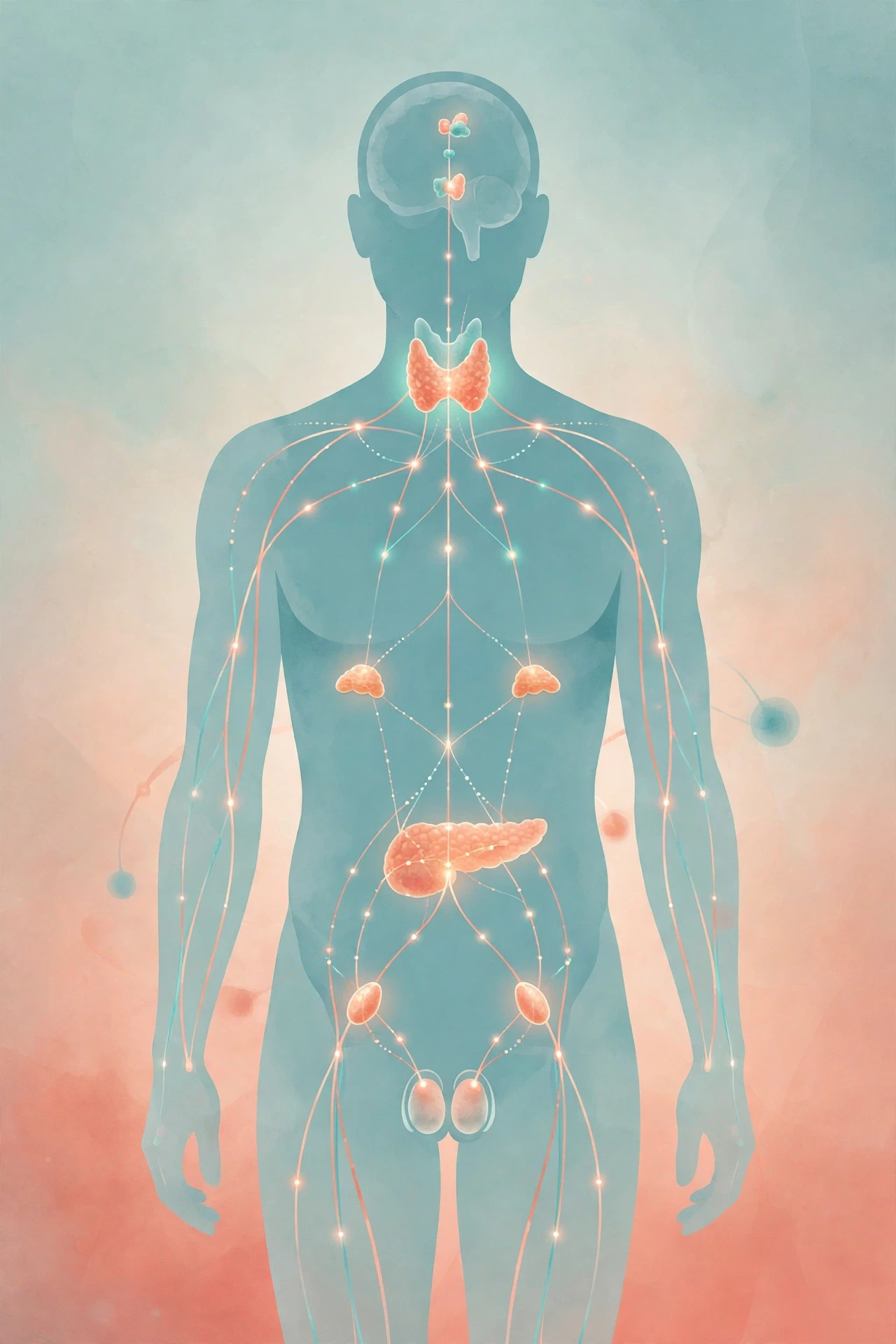
The endocrine system is not one organ. It is a scattered team of glands and hormone-producing tissues, each with its own job, its own hormones, and its own way of going wrong. The table in Section 2.8 brings them together at a glance, but each gland deserves its own introduction first.
2.1 The hypothalamus: the link between brain and body
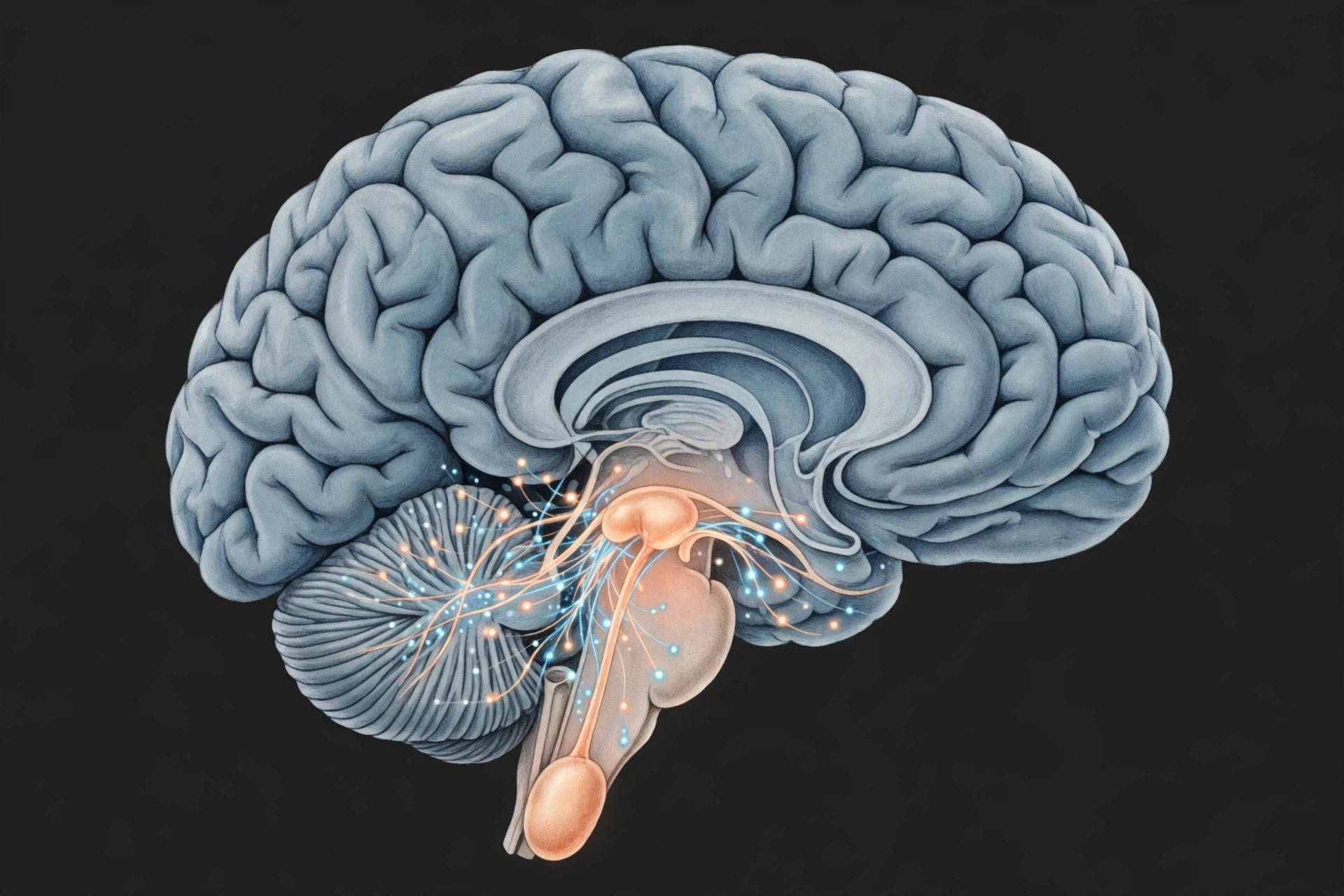
Deep in the brain sits the hypothalamus, a structure about the size of an almond that acts as the bridge between the nervous system and the endocrine system. It reads signals about body temperature, hunger, thirst, sleep, stress, and the time of day, and it translates them into hormonal instructions.
It does this by releasing small "releasing" and "inhibiting" hormones that tell the pituitary gland what to do next. In that sense the hypothalamus is less a gland and more a translator: it turns what the brain senses into a language the rest of the body can act on. To understand how the brain and hormones talk to each other, it helps to know the human brain anatomy and functions that sit just above this tiny control centre.
2.2 The pituitary gland: the conductor with a boss
The pituitary gland, a pea-sized structure hanging beneath the hypothalamus, is often called the "master gland." The name is only half true. The pituitary does direct many other glands — it releases thyroid-stimulating hormone (TSH), adrenocorticotropic hormone (ACTH), follicle-stimulating hormone (FSH), luteinising hormone (LH), growth hormone (GH), and prolactin — but it takes its orders from the hypothalamus. A conductor with a boss, and a boss who never leaves the room.
Its back half, the posterior pituitary, is really an extension of the brain. It stores and releases two hormones made in the hypothalamus: oxytocin, involved in childbirth, breastfeeding, and social bonding, and antidiuretic hormone (ADH, also called vasopressin), which tells the kidneys how much water to keep.
When I first saw a pituitary gland under a microscope as a student, I remember being startled by how ordinary it looked — a small, unremarkable lump of tissue. Nothing about its appearance hinted that it helped decide whether a child grows, whether a woman ovulates, or whether the thyroid speeds up or slows down. The body hides its most powerful offices in the smallest rooms.
2.3 The thyroid and parathyroid glands
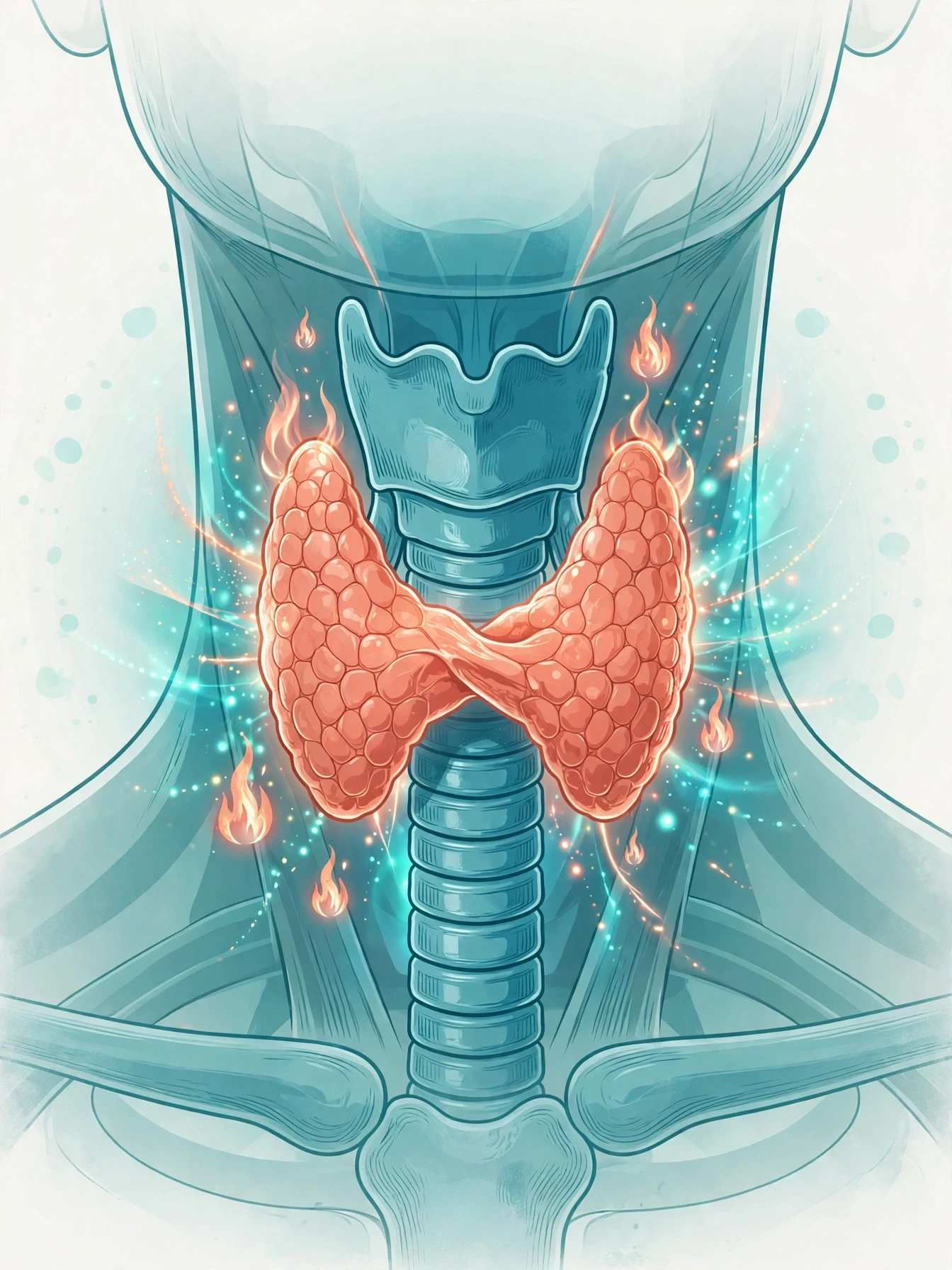
The thyroid is a butterfly-shaped gland at the front of the neck, wrapped around the windpipe. It makes thyroid hormones — mainly thyroxine (T4) and triiodothyronine (T3) — which set the pace of metabolism: how fast cells burn fuel, how warm the body runs, how quickly the heart beats, and how the brain develops in childhood. To make these hormones the thyroid needs iodine from food, which is why iodine deficiency has been a public-health concern in many parts of the world.
Sitting on the back of the thyroid are four tiny parathyroid glands, each about the size of a grain of rice. They make parathyroid hormone (PTH), which keeps blood calcium in a narrow range — calcium being essential for nerves, muscles, and bones. The thyroid and the parathyroids are neighbours, but they do entirely different jobs, and confusing them is one of the classic mix-ups in biology exams.
Thyroid problems are common, and they show how a small gland can change a whole life. An underactive thyroid can leave a person tired, cold, and foggy; an overactive one can leave them wired, sweaty, and restless. The difference between hypothyroidism and Hashimoto's disease — one a description of low thyroid output, the other the autoimmune condition that most often causes it — is a distinction worth knowing before a blood test result arrives.
2.4 The adrenal glands: the stress responders
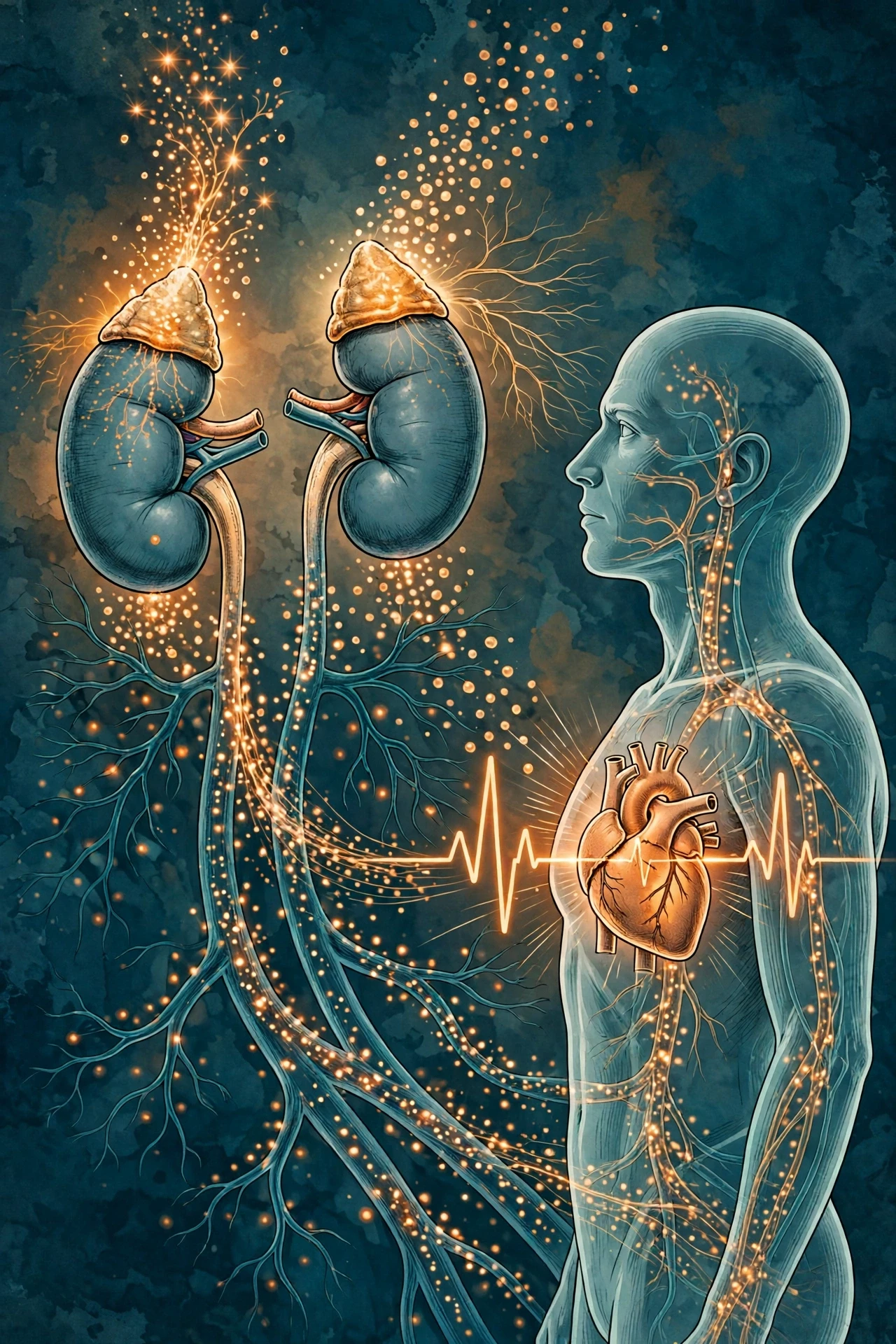
On top of each kidney sits an adrenal gland, about the size of a walnut, with two very different layers. The outer layer, the cortex, makes cortisol — the long-term stress hormone — and aldosterone, which helps control blood pressure by managing salt and water. The inner layer, the medulla, makes adrenaline (epinephrine) and noradrenaline, the fast-acting hormones of the fight-or-flight response.
Cortisol has a bad reputation, and it is partly unfair. Cortisol wakes us in the morning, helps us respond to infection and injury, and keeps blood sugar available in a crisis. The trouble starts when the stress signal never switches off. When cortisol stays high for weeks and months, sleep, mood, appetite, immunity, and weight can all drift. The signs of high cortisol symptoms are worth recognising early, because chronic stress is one of the few hormone problems where daily habits can genuinely move the needle.
2.5 The pancreas: sugar's gatekeeper
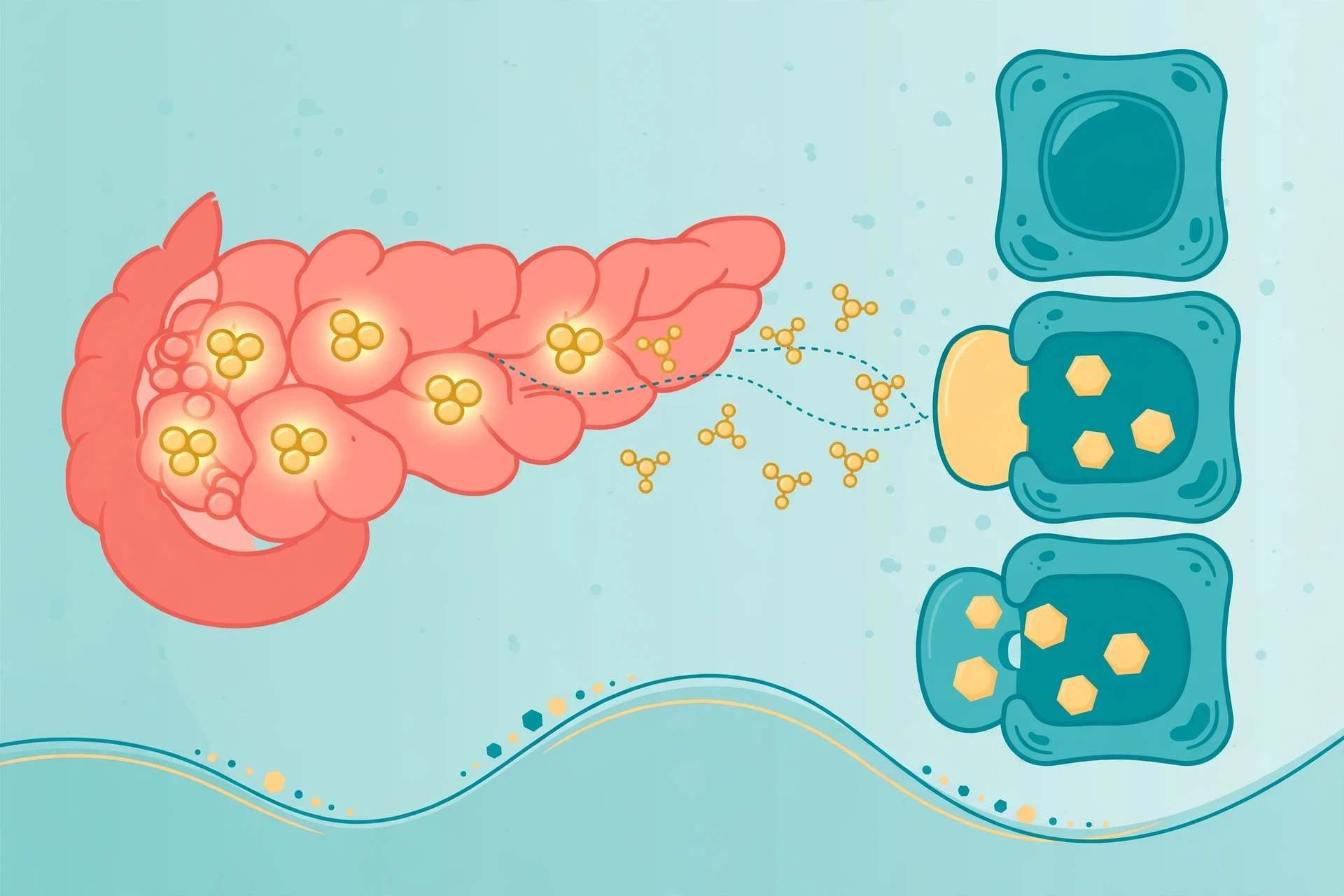
The pancreas is both an exocrine gland, making digestive enzymes, and an endocrine gland. Scattered through it are clusters of cells called the islets of Langerhans. Their beta cells make insulin, which lowers blood sugar by helping cells take glucose in; their alpha cells make glucagon, which raises blood sugar by telling the liver to release stored glucose. Insulin and glucagon are a matched pair, pulling in opposite directions to hold blood sugar steady.
This balance is the reason blood sugar matters far beyond diabetes. After a meal, insulin rises and glucose is stored; between meals, glucagon rises and glucose is released. When that see-saw stiffens — when cells stop listening to insulin, a state called insulin resistance — blood sugar creeps upward, and the road toward type 2 diabetes begins. That road is not fixed in advance: the science of prediabetes and blood sugar prevention shows how often early changes in food, movement, and weight can slow or reverse it.
2.6 The gonads, the pineal gland, and the rest of the team
The ovaries make oestrogen and progesterone, which drive the menstrual cycle, fertility, and many aspects of bone and heart health. The testes make testosterone, which drives sperm production, muscle mass, and the changes of puberty in boys. Both sexes make both kinds of sex hormone in different amounts — the balance, not the mere presence, is what matters.
The pineal gland, a tiny pine-cone-shaped structure deep in the brain, makes melatonin, the hormone of darkness. As light fades in the evening, melatonin rises and tells the body that night has begun. Bright light at night, especially from screens, can push that signal later, which is one reason sleep researchers are so insistent about dim evenings.
Other tissues join in as well: the heart makes a hormone that helps control blood pressure, the kidneys make erythropoietin, which tells the bone marrow to make red blood cells, and fat tissue itself makes leptin, the hormone that reports on energy stores and helps regulate appetite. The endocrine system, it turns out, is bigger than its famous glands.
2.7 How hormones are made — and what they are made from
Hormones are built from ordinary raw materials, mostly from food. Peptide hormones are built from amino acids, the building blocks of protein. Steroid hormones are built from cholesterol, a fat. Thyroid hormones need iodine. None of this means that eating a particular food "boosts" a particular hormone in any simple way — the body tightly controls production — but it does mean that severe malnutrition, extreme diets, and chronic illness can disrupt hormone production at the source. The glands are not magic; they are workshops, and workshops need supplies.
2.8 The major glands at a glance
Gland | Key hormones | Main jobs | When it goes wrong |
|---|---|---|---|
Hypothalamus | Releasing and inhibiting hormones (e.g. CRH, TRH, GnRH) | Links brain to pituitary; controls hunger, thirst, temperature, sleep | Disrupted appetite, temperature, or sleep regulation |
Pituitary | GH, TSH, ACTH, FSH, LH, prolactin, oxytocin, ADH | Directs thyroid, adrenals, gonads; growth; water balance | Growth disorders, infertility, thyroid or adrenal problems |
Thyroid | Thyroxine (T4), triiodothyronine (T3), calcitonin | Sets metabolic rate, body temperature, heart rate | Hypothyroidism or hyperthyroidism; weight and energy changes |
Parathyroid | Parathyroid hormone (PTH) | Controls blood calcium | High or low calcium; bone loss; kidney stones |
Adrenal glands | Cortisol, aldosterone, adrenaline | Stress response, blood pressure, salt and water balance | Cushing's syndrome, Addison's disease, chronic stress effects |
Pancreas (islets) | Insulin, glucagon | Controls blood sugar | Diabetes; low blood sugar |
Ovaries / testes | Oestrogen, progesterone / testosterone | Reproduction, puberty, bone and muscle health | Infertility, irregular cycles, low testosterone |
Pineal gland | Melatonin | Signals night; regulates sleep timing | Disrupted sleep-wake rhythm |
3. How a Hormone Message Actually Works
3.1 Release: the signal goes out
A gland releases a hormone when it receives the right trigger — a signal from the brain, a change in the blood, or a signal from another hormone. The pituitary releases TSH when the hypothalamus tells it to. The pancreas releases insulin when blood sugar rises after a meal. The adrenal medulla releases adrenaline when the brain senses danger. Each release is a response to something, not a random event.
3.2 Travel: the bloodstream carries it everywhere
Once released, a hormone enters the blood and is carried around the whole body within a minute or so. It reaches every tissue — including tissues it will never affect. This is the postal-service logic again: the letter goes everywhere, and only the right address matters.
Some hormones travel freely dissolved in blood plasma. Others, especially steroid and thyroid hormones, travel hitched to carrier proteins, with only a small free fraction active at any moment. That carrier system acts as a reservoir, smoothing out peaks and troughs.
3.3 Reception: the lock and key
A target cell carries receptors — protein structures shaped to fit one hormone, or a small family of related hormones. When the hormone binds, the receptor changes shape and sets off a response inside the cell: an enzyme switches on, a channel opens, or a gene is read more or less often.
The number of receptors matters as much as the amount of hormone. A cell can become more sensitive by making more receptors, or less sensitive by removing them — a process called down-regulation. This is a central idea in hormone medicine: many problems are not about too little hormone, but about cells that have stopped listening. Insulin resistance is the best-known example, and it is why two people with the same insulin level can have very different blood sugar.
3.4 Response and shutdown: the message ends
A hormone's job ends when it is broken down — mostly in the liver and kidneys — and cleared from the blood. Each hormone has its own half-life: adrenaline lasts minutes, cortisol lasts a couple of hours, thyroid hormones last days. Short half-lives allow fast, fine control; long half-lives allow steady, background regulation.
"Hormones are the body's long-distance messengers. They travel slowly, speak softly, and change everything they touch — but only where a receptor is listening."
4. Feedback Loops: How the Body Keeps Its Balance
4.1 Negative feedback: the thermostat principle
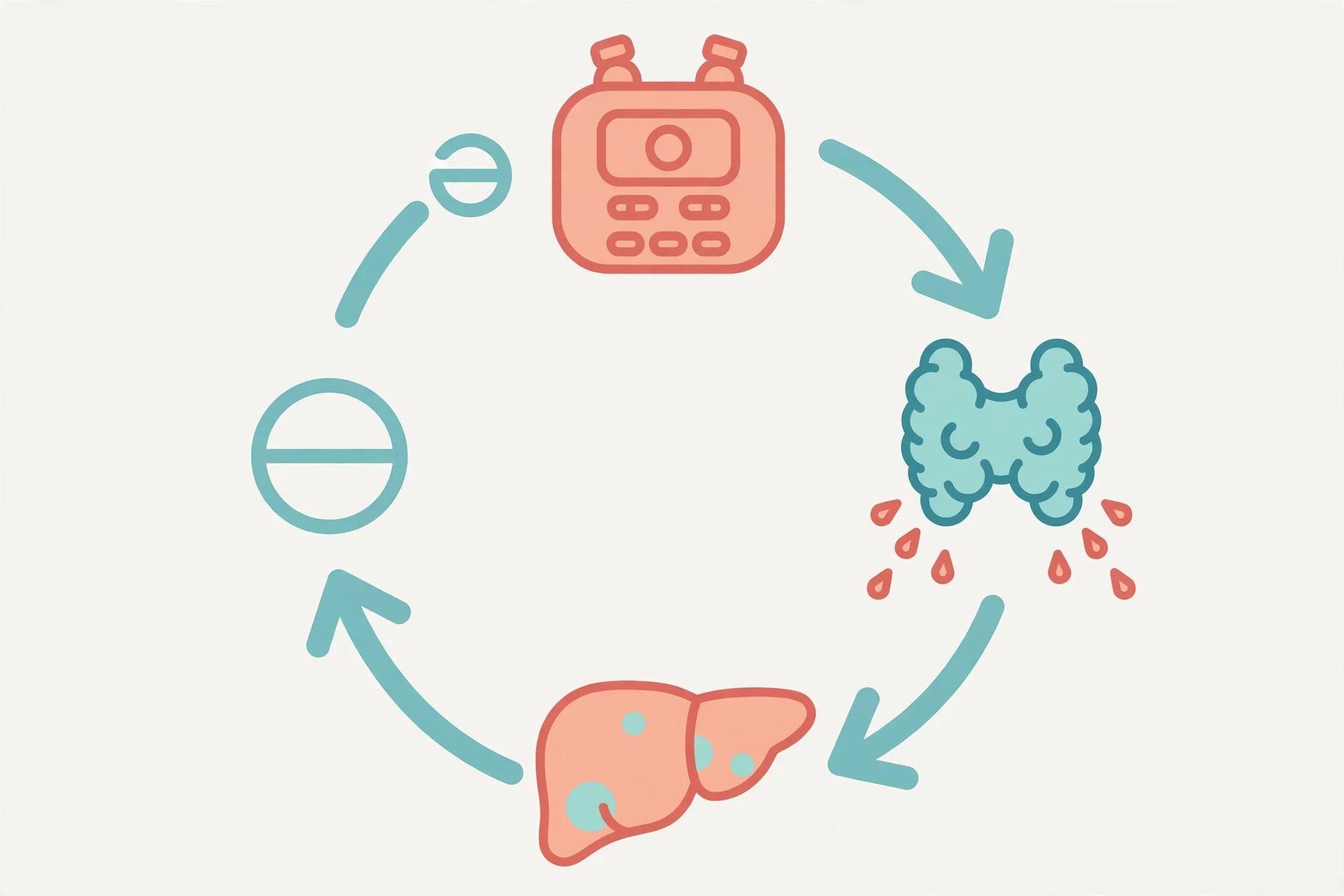
Most hormone systems are controlled by negative feedback, the same principle as a thermostat. When the output rises high enough, it feeds back and switches off its own production. When it falls, production switches back on.
The thyroid axis is the classic example. The hypothalamus releases TRH, which tells the pituitary to release TSH, which tells the thyroid to release thyroid hormones. When thyroid hormone levels rise, they feed back to the hypothalamus and pituitary and quieten TRH and TSH. When levels fall, the brake lifts and production rises again. This loop is why doctors measure TSH to judge thyroid function: a high TSH usually means the thyroid is underperforming and the pituitary is shouting louder to compensate.
4.2 Positive feedback: the rare exception
A few systems use positive feedback, where the output amplifies itself. The best example is oxytocin during childbirth: uterine contractions trigger oxytocin release, and oxytocin strengthens contractions, which trigger more oxytocin — until the baby is born and the loop breaks. Positive feedback is powerful and therefore rare; the body uses it only where a process needs to run to completion and then stop.
4.3 Why balance is a moving target
Homeostasis — the body's steady state — is not a fixed number. It is a range that shifts with the time of day, the season, age, stress, illness, and pregnancy. Cortisol is high in the morning and low at night. Growth hormone pulses during deep sleep. Oestrogen and progesterone rise and fall across the menstrual cycle. A single hormone measurement, taken at one moment, is a snapshot of a moving film, and good endocrinologists read it that way.
I once watched a colleague explain this to a worried patient who had brought in a single cortisol reading taken at 4 p.m. and compared it with a "normal range" printed beside a morning reference value. The number looked alarming until the time of day was factored in — then it was entirely ordinary. The lesson stayed with me: in endocrinology, when a sample was taken can matter as much as what it says.
5. The Thyroid: A Small Gland With an Outsized Job
The thyroid deserves a section of its own, because it touches almost everything and because its problems are so common.
Thyroid hormones act on nearly every cell, speeding up the rate at which cells burn fuel and make energy. They affect heart rate, body temperature, gut movement, mood, concentration, skin, hair, and — in children — brain development and growth. Too little thyroid hormone slows the whole system down; too much speeds it up. Patients often describe the difference in plain, physical terms: "I felt like I was moving through water" on one side, "like I had drunk ten coffees" on the other.
The thyroid's control loop, described in Section 4.1, is one of the most tested systems in medicine, and it is also one of the most misunderstood. A normal TSH with symptoms does not always mean the thyroid is innocent, and an abnormal TSH does not always mean the thyroid is the culprit — illness, medicines, and pregnancy can all shift the numbers. This is why thyroid care is a conversation over time, not a single lab slip.
Vitamin D often enters this conversation, because low vitamin D is common and its symptoms — tiredness, low mood, aching bones — overlap with thyroid symptoms. Knowing the signs of vitamin D deficiency symptoms and treatment helps separate one story from another before assuming a single cause.
6. Blood Sugar, Insulin, and the Pancreas
6.1 The daily see-saw
Blood sugar is one of the most tightly controlled numbers in the body, and the pancreas is its main keeper. After a meal, glucose rises in the blood; beta cells release insulin; cells take glucose in and store the excess as glycogen in the liver and muscle, or as fat. Between meals, glucagon tells the liver to break glycogen back down and release glucose, keeping the brain — which runs almost entirely on glucose — supplied.
This is a system with almost no slack. Blood sugar that falls too low starves the brain within minutes; blood sugar that stays too high for years damages blood vessels, nerves, kidneys, and eyes. The pancreas walks that narrow line every hour of every day.
6.2 When the signal fades: insulin resistance
Most people assume diabetes is a disease of too little insulin. That is true for type 1 diabetes, where the immune system destroys the insulin-making beta cells. But in type 2 diabetes, the more common form, the early problem is usually the opposite: the pancreas makes plenty of insulin, and the cells stop listening. Fat tissue, especially around the abdomen, the liver, and muscle all become less responsive, so the pancreas has to shout louder — make more insulin — to get the same effect. Over years, the beta cells can tire, insulin output falls, and blood sugar rises.
This is where the fasting research gets interesting. Studies of time-restricted eating and fasting have drawn attention because they appear to improve insulin sensitivity in some people — the cells start listening again. The biology behind fasting and autophagy science is still being worked out, and fasting is not safe or suitable for everyone, especially people on blood-sugar medicines, but the core idea is sound: insulin sensitivity is not fixed. It responds to weight, movement, sleep, and what we eat.
7. Stress Hormones: Adrenaline, Cortisol, and the Two Speeds of Stress
7.1 The fast alarm: adrenaline
The stress response has two speeds, and they use different hormones. The fast alarm is adrenaline and noradrenaline from the adrenal medulla, released within seconds of a fright. Heart rate rises, airways widen, blood is diverted to muscles, pupils widen, and digestion pauses. This is the classic fight-or-flight response, and it is the nervous system and the endocrine system working together — the nerve signal reaches the adrenal medulla, and the hormone carries the message onward.
I still remember the first time I felt this system clearly and understood what it was. I was a teenager, cycling home at dusk, when a dog burst out of a gate straight at me. I did not decide to pedal harder; my legs simply went. My heart hammered, my mouth went dry, and by the time I reached my street I was shaking — and strangely, wide awake. The danger was gone in seconds, but the adrenaline took much longer to fade. That lag is the endocrine system: slower to start than a nerve, slower to stop.
7.2 The slow burn: cortisol
The slow response runs through the HPA axis — hypothalamus, pituitary, adrenal cortex. The hypothalamus releases CRH, the pituitary releases ACTH, and the adrenal cortex releases cortisol. Cortisol raises blood sugar, dampens inflammation, and keeps blood pressure up during a prolonged challenge. It is the hormone of endurance, not of panic.
The problem is that the HPA axis cannot tell the difference between a lion and a deadline, a difficult boss, or a month of broken sleep. The same machinery that helps us survive a crisis will run, day after day, on worries that never resolve. Over time, chronically high cortisol is linked with poorer sleep, higher blood pressure, weight gain around the abdomen, weaker immunity, and low mood. None of this is a personal failure. It is a system designed for short emergencies being asked to run a marathon.
7.3 What actually helps
There is no single trick for "balancing" stress hormones, and anyone selling one is selling something else. What the evidence supports is unglamorous: regular sleep, daily movement, time outdoors, social connection, and reducing the sources of stress where that is possible. These are not cures for hormone disease — anyone with a suspected adrenal disorder needs medical testing — but for the everyday wear of chronic stress, they are the levers with the best support.
"The stress system cannot tell a lion from a deadline. It fires the same hormones for both — which is why rest is not laziness. It is maintenance."
8. Growth, Puberty, and Hormones Across a Lifetime
8.1 Childhood and growth
Growth hormone, released in pulses from the pituitary — mostly during deep sleep — drives growth in childhood and helps maintain muscle and bone in adults. It works partly directly and partly by telling the liver to make insulin-like growth factor 1 (IGF-1). A child who is not growing as expected is one of the reasons doctors check growth hormone, thyroid hormone, and nutrition together: growth is a summary of many systems, not one.
Sleep matters here in a very literal way. Growth hormone's biggest daily pulse comes in the first hours of deep sleep, which is one more reason children's sleep is not a luxury. I think about this whenever I hear a parent worry that their child is "just a late bloomer" — sometimes that is exactly right, and sometimes a simple growth chart, kept over months, is the thing that catches a real problem early.
8.2 Puberty: the second great rewiring
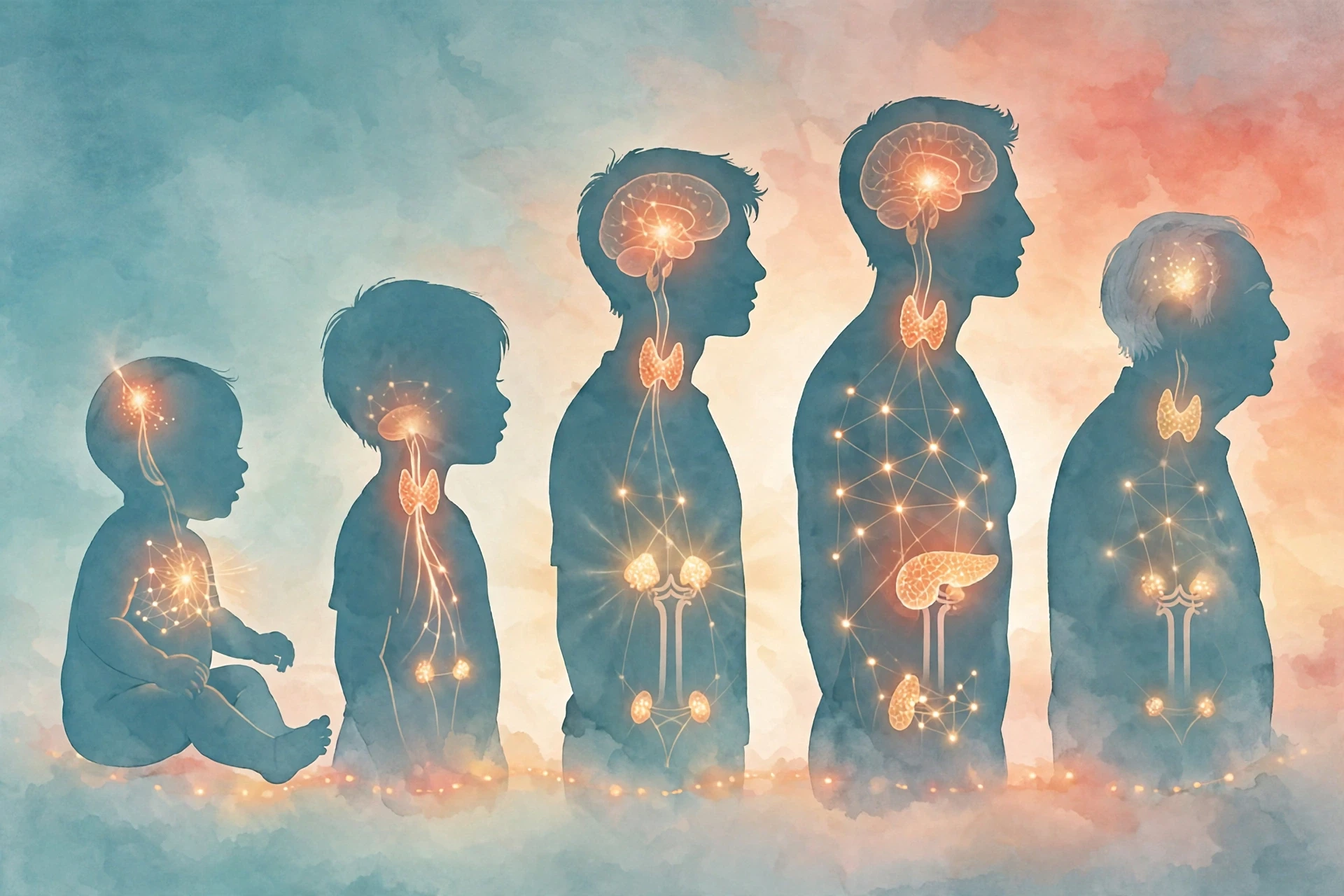
Puberty is the second great hormone event of a life, after birth. The hypothalamus begins releasing gonadotropin-releasing hormone (GnRH) in pulses, the pituitary answers with LH and FSH, and the gonads answer with oestrogen, progesterone, and testosterone. The changes that follow — growth spurts, voice changes, breast development, sperm and egg production — unfold over years, not weeks, and the timing varies widely between healthy children. Variation is normal; what matters is the pattern over time.
8.3 Adulthood, pregnancy, and menopause
In adult life, sex hormones keep doing quiet work beyond reproduction: maintaining bone density, muscle, mood, and heart health. Pregnancy is the most dramatic hormone event of all, with the placenta itself becoming a major endocrine organ, making hormones that reshape metabolism, immunity, and blood volume to support the baby.
Menopause, when the ovaries stop releasing eggs and oestrogen falls, brings its own set of changes: hot flushes, night sweats, sleep disruption, and faster bone loss. These are real, physical effects of a real hormone change — not imagination, and not a small matter. Modern care for menopause is far better than the silence that used to surround it, and anyone struggling with symptoms deserves a proper medical conversation, not a shrug.
9. Common Misconceptions — What Most People Get Wrong
9.1 "Hormones are only about mood and periods"
This is the misconception I hear most often, and it is the one I most enjoy correcting. Hormones control metabolism, blood sugar, blood pressure, bone strength, sleep, growth, appetite, body temperature, and the stress response. Mood and the menstrual cycle are part of the story, not the whole book. A man with low testosterone, a child with low growth hormone, and a woman with an overactive thyroid are all living with hormone problems — and none of them is about "mood."
9.2 "Natural means balanced, and synthetic means dangerous"
The body does not check a hormone's origin; it checks its shape. A hormone molecule that is chemically identical to the body's own works the same way whether it was made in a gland or in a laboratory. That does not mean every supplement or "hormone-boosting" product is safe — many are unregulated, poorly tested, or contain doses the body would never produce. It means the natural-versus-synthetic line is the wrong place to draw the safety line. The right questions are: what is the dose, what is the evidence, and who is monitoring it?
9.3 "A hormone test gives a yes-or-no answer"
Hormone levels rise and fall across the day, the month, and the lifespan. They shift with sleep, food, illness, stress, and medicines. A single number is rarely a diagnosis on its own. Good hormone medicine is pattern medicine: repeated measurements, the right test at the right time, and symptoms read alongside the numbers.
9.4 "You can fix hormones with a detox or a single food"
The liver and kidneys already detoxify the body continuously, and no juice, tea, or cleanse changes hormone production in the way its marketing claims. Food matters — iodine for the thyroid, protein for peptide hormones, enough energy to keep the reproductive system running — but it matters as a pattern over months, not as a single superfood. Anyone promising a quick hormone reset in a bottle is selling a story, not a treatment.
10. When Hormones Go Wrong: Common Endocrine Disorders
10.1 Too much, too little, or not listening
Almost every endocrine disorder falls into one of three patterns: a gland makes too much hormone, a gland makes too little, or the target cells stop responding. Diabetes, thyroid disease, and adrenal disorders all fit this simple frame, which is why endocrinologists start with the same question for every patient: is the problem at the gland, at the control centre above it, or at the target tissue?
Too much: hyperthyroidism, Cushing's syndrome (too much cortisol), and some pituitary tumours that overproduce growth hormone or prolactin.
Too little: hypothyroidism, Addison's disease (too little cortisol and aldosterone), type 1 diabetes, and growth hormone deficiency.
Not listening: type 2 diabetes and insulin resistance, where the hormone is present but the response is blunted.
10.2 Autoimmune attack: the body against itself
A surprising number of endocrine disorders are autoimmune — the immune system mistakes a gland for a threat and attacks it. Hashimoto's thyroiditis attacks the thyroid. Type 1 diabetes attacks the insulin-making beta cells. Addison's disease often begins the same way in the adrenal cortex. Researchers still disagree on exactly why the immune system turns on these particular tissues, and that uncertainty is honest: autoimmunity is one of the liveliest areas of medical research, and the answers are still being written. The National Institute of Diabetes and Digestive and Kidney Diseases (NIDDK) maintains plain-language pages on endocrine diseases that explain these conditions and their treatments without jargon.
10.3 Tumours, medicines, and other causes
Some hormone problems come from tumours — usually benign — that make extra hormone, or that press on the pituitary and stop it working properly. Others come from medicines: steroids prescribed for asthma or arthritis can suppress the adrenal glands; some drugs shift thyroid or prolactin levels. Surgery, radiation, infection, and severe illness can all disturb hormone balance too. This is why a good hormone history always includes a full medicine list.
At the cellular level, all of this comes back to receptors and signalling — the machinery that lets a cell hear a hormone at all. The basics of that machinery, from the cell membrane to the nucleus, are covered in our guide to cell biology explained: organelles and functions, which makes a useful companion to this article.
11. How Doctors Test Hormones — and What the Numbers Mean
11.1 Blood, saliva, urine — and timing
Most hormone testing starts with a blood test, but the timing is part of the test. Cortisol is measured in the morning, when it peaks. Testosterone is measured in the morning too. Thyroid tests are less time-sensitive, but still need to be read against the right reference range. Some hormones are measured in urine collected over 24 hours, which smooths out the peaks and troughs. Saliva testing is used for some hormones, though its role is narrower than many online sellers claim.
11.2 Stimulation and suppression tests
When a single measurement is not enough, doctors use dynamic tests: they stimulate a gland and watch the response, or suppress it and watch whether it obeys. A short ACTH stimulation test checks whether the adrenal glands can make cortisol on demand. A glucose suppression test checks whether growth hormone falls when it should. These tests are the endocrine equivalent of taking a car for a test drive instead of just looking at the engine.
MedlinePlus, the U.S. National Library of Medicine's patient resource, offers a clear overview of the endocrine system and links to plain-language pages on individual hormone tests, which are worth reading before an appointment.
11.3 Reading results with a clinician
Reference ranges are built from large groups of people, and they are wide by design. A result at the edge of a range is not automatically a disease, and a result inside the range is not automatically fine. Symptoms, age, sex, medicines, and the pattern over time all belong in the reading. If a result worries you, the right next step is a conversation with the clinician who ordered it — not a late-night search through forums.
12. Looking After Your Hormones: What the Evidence Supports
There is no single habit that "balances hormones," but several ordinary habits support the systems that make and respond to them. The Endocrine Society's patient library on hormones and endocrine function is a good place to check any claim you meet online against a trusted source.
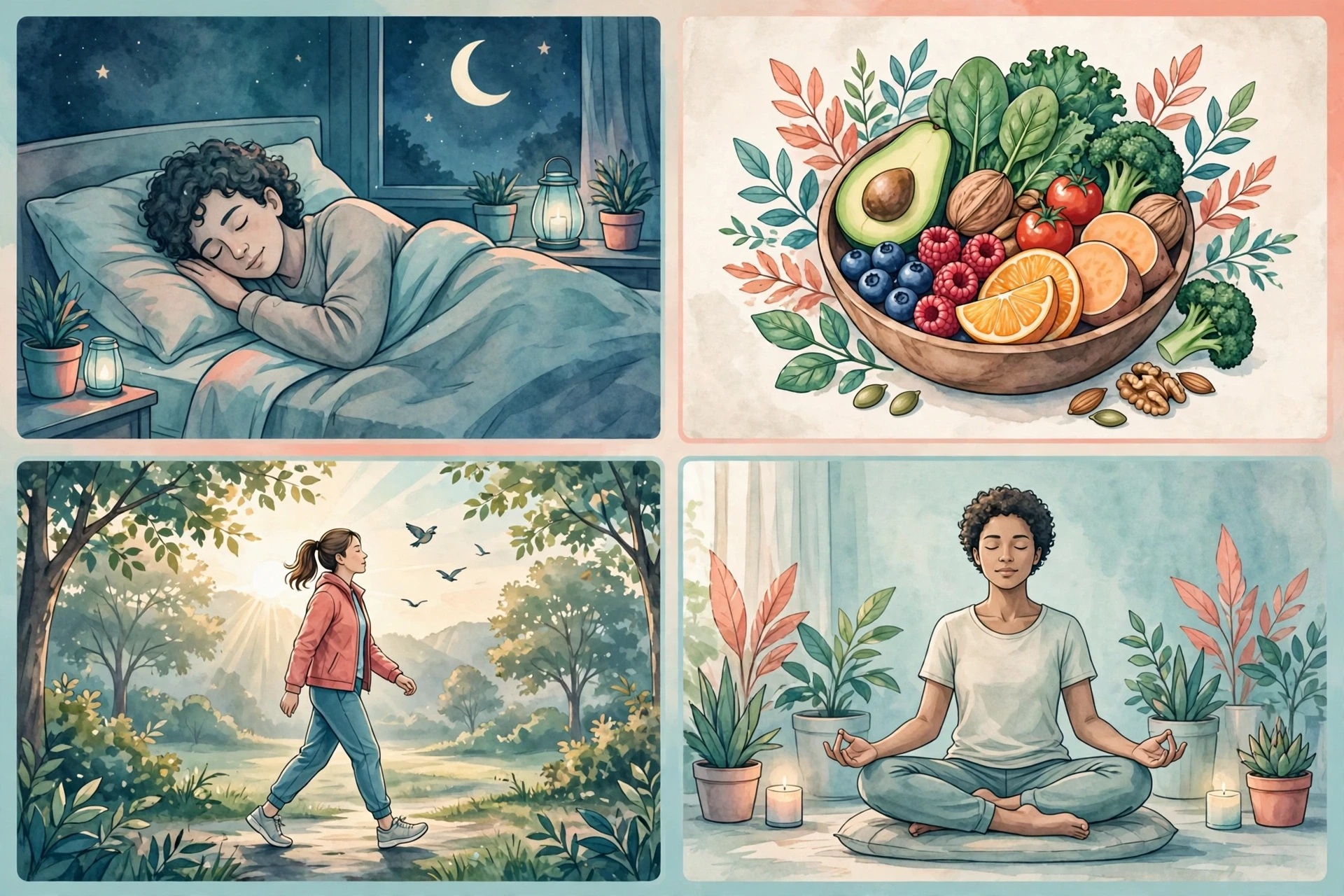
Sleep regularly. Most hormone rhythms are tied to the sleep-wake cycle. A regular bedtime and wake time, a dark bedroom, and less bright light late at night support melatonin, cortisol, and growth hormone rhythms.
Move every day. Muscle contraction improves insulin sensitivity directly, even without weight loss. Walking after meals is one of the simplest, best-supported habits for blood sugar.
Eat a varied, adequate diet. The glands need iodine, protein, healthy fats, and enough total energy. Very low-calorie diets can suppress reproductive hormones and thyroid function, especially in women.
Protect sleep from stress where you can. Chronic stress keeps cortisol high; regular wind-down time, social contact, and time outdoors are the low-cost tools with the best evidence.
Be cautious with endocrine disruptors. Some chemicals in plastics, pesticides, and personal-care products can interfere with hormone signalling. The evidence in humans is still developing, and the practical advice is simple rather than fearful: ventilate, wash fruit and vegetables, and avoid heating food in old plastic containers. The Cleveland Clinic's guide to the endocrine system explains what is known and what is still uncertain.
Do not take hormone supplements without medical advice. Over-the-counter "hormone boosters" are largely unregulated, and taking a hormone the body does not need can suppress the gland that makes it naturally.
13. The Latest Research: What Scientists Are Learning Now
Endocrinology is moving quickly, and several lines of research are worth watching. First, the gut microbiome — the trillions of microbes in the intestine — is increasingly linked to hormone signalling, including how the body handles oestrogen and how appetite hormones are regulated. The details are still emerging, and no probiotic can yet claim to fix a hormone problem, but the gut-hormone connection is now a serious field, not a fringe idea.
Second, researchers are mapping hormone rhythms in finer detail than ever before, using wearable sensors and frequent sampling to show how cortisol, melatonin, and blood sugar move across the day in real life rather than in a clinic. That work is already changing how doctors think about timing — when to give a medicine, when to test, and when to eat.
Third, the long-term effects of endocrine-disrupting chemicals are being studied in large population studies, and regulators are slowly catching up. The science here is genuinely contested: doses in animal studies are often far higher than human exposure, and human studies are hard to run cleanly. Honest reporting means saying so, rather than picking the scariest headline.
For readers who want the underlying anatomy in textbook depth, the OpenStax textbook chapter introducing the endocrine system is free, peer-reviewed, and a solid next step after this article.
14. Conclusion
The endocrine system is the body's quiet government. It has no single headquarters, no loud announcements, and no instant results — only a network of small glands sending chemical letters through the blood, each one read only by the cells built to receive it. Through feedback loops it corrects itself, through rhythms it keeps time, and through a handful of hormones it shapes growth, metabolism, stress, sleep, and reproduction.
Understanding it changes how you read your own body. Tiredness stops being a vague complaint and becomes a question: is it sleep, thyroid, blood sugar, stress, or something else? A blood test stops being a row of numbers and becomes a snapshot of a moving system, best read with its timing and its pattern in mind. And the habits that support hormone health turn out to be the familiar ones — sleep, movement, food, and rest — not because they are magic, but because the glands that run our lives respond, day after day, to the life we actually live.
If one idea from this article stays with you, let it be this: your hormones are not a mystery to be feared or a problem to be hacked. They are a system to be understood, measured properly when something feels wrong, and looked after with the ordinary care that every long-running system needs.
Frequently Asked Questions
What is the endocrine system in simple terms?
The endocrine system is the body's chemical messaging network. Glands release hormones into the blood, and those hormones travel everywhere, changing the activity of target cells that carry matching receptors. It controls growth, metabolism, blood sugar, stress, sleep, and reproduction.
What is the difference between a hormone and a gland?
A gland is the structure that makes and releases the message; a hormone is the message itself. The thyroid is a gland; thyroxine is the hormone it makes. The pancreas is a gland; insulin is one of the hormones it makes.
Which gland is the most important in the endocrine system?
No single gland runs the show alone. The hypothalamus and pituitary sit at the top of the control chain, directing the thyroid, adrenals, and gonads, but each gland's hormones are essential in their own right. Removing any one of them causes serious problems.
How do hormones know where to go?
They do not. Hormones travel everywhere in the blood, and only cells with the matching receptor respond. The targeting is in the receiver, not the message — like a radio broadcast that only radios tuned to that station can hear.
What causes a hormone imbalance?
The common causes are a gland making too much or too little hormone, an autoimmune attack on a gland, a tumour, certain medicines, severe illness, chronic stress, and major weight change. Many imbalances need medical testing to identify, because the symptoms overlap between different causes.
Can lifestyle changes really affect hormones?
Yes, within limits. Sleep, regular movement, a varied diet, and stress management measurably affect insulin sensitivity, cortisol rhythms, melatonin, and reproductive hormones. They cannot replace medical treatment for a gland that has stopped working, but they are the foundation that treatment builds on.
When should I see a doctor about my hormones?
See a doctor if you notice persistent unexplained tiredness, major weight change without trying, a very fast or slow heartbeat, feeling unusually hot or cold, irregular periods, loss of libido, excessive thirst and urination, or a lump in the neck. A clinician can order the right tests at the right time and read them in context.
Sources
National Institute of Diabetes and Digestive and Kidney Diseases (NIDDK). Endocrine Diseases. https://www.niddk.nih.gov/health-information/endocrine-diseases
MedlinePlus, U.S. National Library of Medicine. Endocrine System. https://medlineplus.gov/endocrinesystem.html
Cleveland Clinic. Endocrine System: What It Is, Function, Organs & Diseases. https://my.clevelandclinic.org/health/body/21201-endocrine-system
OpenStax, Anatomy and Physiology 2e. Chapter 17: The Endocrine System (Introduction). https://openstax.org/books/anatomy-and-physiology-2e/pages/17-introduction
Endocrine Society. Hormones and Endocrine Function. https://www.endocrine.org/patient-engagement/endocrine-library/hormones-and-endocrine-function
Hiller-Sturmhöfel, S. & Bartke, A. "The Endocrine System: An Overview." Alcohol Health & Research World / PMC. https://pmc.ncbi.nlm.nih.gov/articles/PMC6761896/