Visceral Fat vs. Subcutaneous Fat: The Toxic Truth About Your Belly

Sciory Editorial
editorial & research
Evidence-Based Scientific Reference
This publication is prepared for peer-reviewed academic literature review, educational analysis, and scientific discussion. It is not individual clinical advice or prescriptive diagnostic guidance. Always consult licensed healthcare professionals for therapeutic decisions.
💡 Key Takeaways
Active vs. Passive: Subcutaneous fat sits there passively, but visceral fat is biologically active and releases toxic chemicals.
The "Hard" Belly: If your stomach protrudes but feels hard to the touch, it is a red flag for dangerous visceral fat.
First On, First Off: The good news? Because visceral fat is so active, it is the first type of fat to burn off when you start a healthy routine.
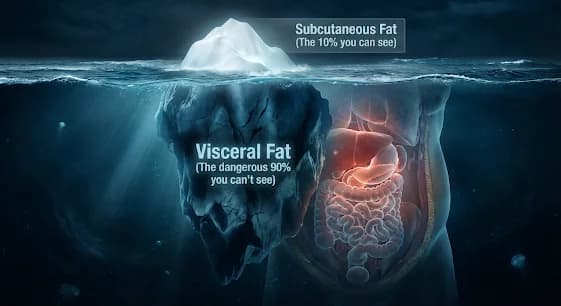
That familiar, frustrating feeling of your favorite jeans fitting a little too snugly around the middle is a near-universal experience [1][2] . For many across the USA, Canada, and Europe, this "muffin top" or "pot belly" is a source of daily annoyance and a blow to self-confidence [1] . But what if that stubborn belly fat was more than just a cosmetic issue? [2] . What if it were a silent, hidden threat to your long-term health, intricately linked to your body's response to stress, sleep, and hormonal changes? [1][2][3][4][5] .
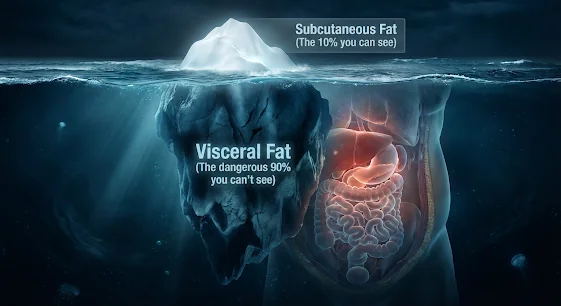
The truth is, not all body fat is created equal [3] . The soft, pinchable fat on the surface is one thing, but lurking deeper within your abdomen is a different, more dangerous type of fat [6][7] . This is the toxic truth about your belly: the fat you can't see is far more harmful than the fat you can [6][7][8] .
This article will pull back the curtain on the two distinct types of belly fat: subcutaneous and visceral [3][9] . You will learn why one is a relatively harmless cosmetic concern while the other is a metabolically active, endocrine organ that can wreak havoc on your body's systems [1][3][9][8] . More importantly, you will be empowered with the knowledge to understand your personal risk and a comprehensive, motivating, science-backed plan to take back control of your health from the inside out.
Demystifying the Fat in Your Middle: Subcutaneous vs. Visceral
To understand the risks, we first need to differentiate between the two main players in the battle of the bulge.
Subcutaneous Fat: The Pinchable Layer
Subcutaneous fat is the layer of fat that sits directly beneath your skin [10][4] . It's the jiggly, soft fat that you can pinch on your belly, arms, thighs, and buttocks [9][10] . For most people, about 90% of their total body fat is subcutaneous [6] . Its primary functions are to:
Store energy: It acts as the body's primary fuel reserve [5] .
Provide insulation: It helps regulate your body temperature, keeping you warm [11] .
Offer cushioning: It protects your muscles and bones from bumps and falls .
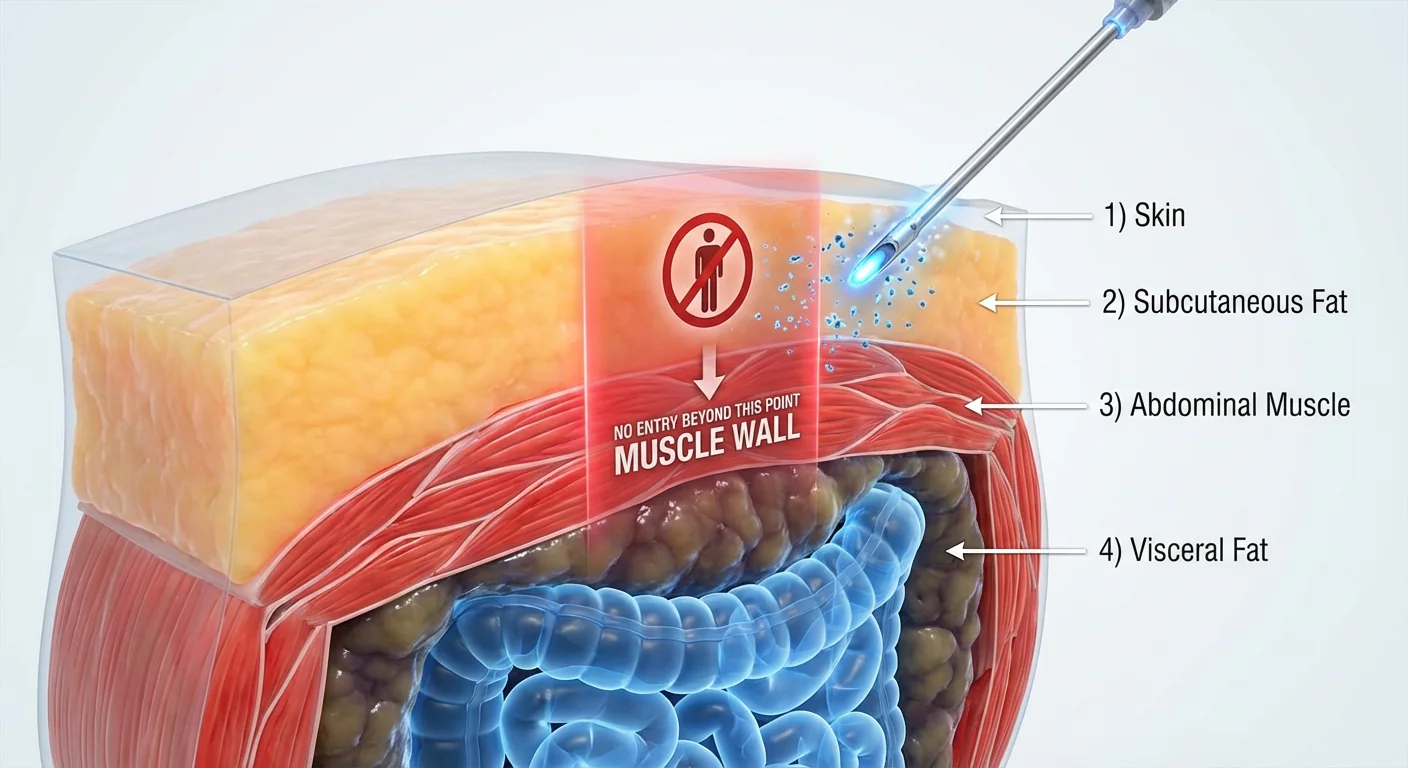
While having an excess of any body fat isn't ideal, subcutaneous fat is considered less of a direct threat to your metabolic health [10] . It is not as metabolically active and, in moderation, is largely a cosmetic concern [3][10][5] . This is the type of fat that body-contouring procedures target [12][13] .
Visceral Fat: The Hidden Danger
Visceral fat, also known as "active fat," is the complete opposite [6] . This fat is stored deep within the abdominal cavity, where you can't see or pinch it [6][10] . It surrounds your vital internal organs, such as the liver, pancreas, and intestines [9][10][11] . Unlike its squishy counterpart, visceral fat can make the abdomen feel firm to the touch when present in large amounts [9] .
While a small amount of visceral fat is necessary to cushion and protect your organs, excessive accumulation is where the "toxic truth" begins [6][14] . This deep-seated fat is a hotbed of metabolic activity, functioning almost like an independent, rogue endocrine organ that can wreak havoc on your body's systems [1][3][15][8] .
The "Toxic Truth": Why Visceral Fat is a Major Health Hazard
The danger of visceral fat lies in its unique ability to produce and release a cocktail of harmful substances directly into your system [7][10] . Unlike subcutaneous fat, it acts as a rogue endocrine organ, secreting a variety of substances that drive disease processes throughout the body [8] .
The 'Portal Vein Theory': A Direct Assault on the Liver
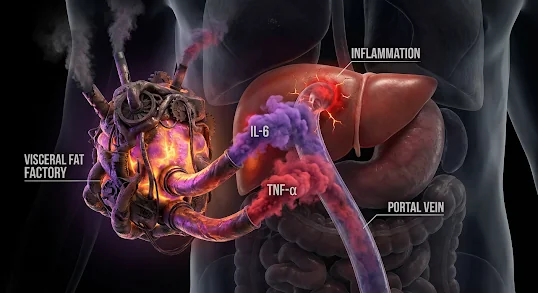
One of the most significant dangers of visceral fat is explained by the "portal vein theory" [16][17][18][19][20] . Visceral fat is drained by the portal vein, which flows directly to the liver [16][18][20][21] . This anatomical arrangement creates a direct conduit for harmful substances to overwhelm the liver before they are diluted in the general circulation [20][21] . These substances include:
Free Fatty Acids (FFAs): Visceral fat has a higher rate of fat breakdown (lipolysis) compared to subcutaneous fat [17][19] . This leads to a constant flood of FFAs into the portal vein [17][22][19][20] . This overwhelms the liver, causing fat to accumulate in liver cells (hepatic steatosis), inducing hepatic insulin resistance, and promoting inflammation [17][23][24][25][19][20] .
Inflammatory Adipokines: Visceral fat is a factory for pro-inflammatory molecules like Interleukin-6 (IL-6) and Tumor Necrosis Factor-alpha (TNF-α) [10][26][27][28][29] . These inflammatory signals travel directly to the liver, contributing to liver inflammation (steatohepatitis) [18][24][30][20][28][31] .
Creating a Pro-Cancer Environment
High levels of visceral fat are strongly associated with an increased risk of several cancers, including colorectal and postmenopausal breast cancer, by creating a microenvironment that is conducive to tumor growth [27][32][12][13][33][34][35][36][37] . The key pathways include:
Chronic Low-Grade Inflammation: The persistent release of pro-inflammatory adipokines like IL-6 and TNF-α creates a state of chronic, low-grade inflammation throughout the body [10][27][32][24][38][28][35][39] . This inflammatory environment can promote tumor initiation, growth, and metastasis [40][36][41] .
Insulin Resistance and Hyperinsulinemia: Visceral fat-induced insulin resistance leads to compensatory high levels of insulin in the blood (hyperinsulinemia) [42][22][32][39] . Insulin and a related hormone, Insulin-like Growth Factor-1 (IGF-1), are potent promoters of cell growth and can fuel tumor development in the breast and colon [32][12][39][43] .
Dysregulation of Adipokines: The balance of key hormones secreted by fat is disrupted [44][45][46][47] .
Leptin: Levels of leptin, which is pro-inflammatory and promotes cell proliferation, are elevated [44][45][48] . Leptin has been shown to stimulate the growth and migration of cancer cells [46][49][41][50][51] .
Adiponectin: Conversely, levels of adiponectin, which has anti-inflammatory and anti-cancer effects, are decreased [44][45][52][47] . Lower adiponectin levels are associated with a higher risk for postmenopausal breast and colorectal cancer [32][34][53][47][51][54] .
A Cascade of Chronic Diseases
This constant release of harmful chemicals directly links high levels of visceral fat to an increased risk of numerous serious health conditions:
Type 2 Diabetes: By promoting insulin resistance, visceral fat is a primary driver of the development of type 2 diabetes [6][11][30] .
Heart Disease: It contributes to high blood pressure, elevated triglycerides, and unfavorable cholesterol changes [6][11][42][30] .
Nonalcoholic Fatty Liver Disease (NAFLD): The direct delivery of FFAs and inflammatory signals to the liver via the portal vein is a primary driver of NAFLD, which can progress to cirrhosis and liver cancer [2][42][46][29][55] .
Certain Cancers: The mechanisms of chronic inflammation, insulin resistance, and adipokine dysregulation link visceral fat to a higher risk of colorectal and postmenopausal breast cancer [1][6][32][12][45][35][37] .
Dementia and Alzheimer's Disease: Research points to a strong link between visceral fat and cognitive decline [7][15] .
Metabolic Syndrome: The accumulation of visceral fat is a cornerstone of metabolic syndrome, a cluster of conditions including high blood pressure, high blood sugar, and abnormal cholesterol levels [34][40] .
Are You at Risk? How to Measure and Assess Your Visceral Fat
One of the biggest mistakes people make is relying solely on the bathroom scale or Body Mass Index (BMI) . You can be "thin on the outside, fat on the inside" (TOFI), meaning you have a normal weight but carry a dangerous amount of hidden visceral fat . Fortunately, you don't need an expensive MRI or CT scan to get a good idea of your risk [6] .
Simple Home Measurement Methods
Waist Circumference: This is the most straightforward and valuable measurement .
Find the top of your hip bone and the bottom of your ribs .
Place a flexible tape measure midway between these points, at the level of your navel .
Breathe out normally and wrap the tape measure around your waist without pulling it tight .
High-Risk Thresholds: For women, a waist circumference of 35 inches (88 cm) or more is a sign of excess visceral fat . For men, the number is 40 inches (102 cm) [8] .
Waist-to-Height Ratio (WHtR): Some experts believe this is an even better predictor of health risks . The goal is simple: your waist circumference should be less than half your height [14] .
The Root Causes: Why Does Visceral Fat Accumulate?
Visceral fat storage is influenced by a combination of diet, lifestyle, and factors beyond our immediate control [42][26][16] .
Dietary Culprits and the Fructose Connection
A major dietary driver of visceral fat is the overconsumption of sugar, particularly fructose from sugary drinks and processed foods [26][45] . Fructose is almost exclusively metabolized by the liver, where it potently drives the creation of new fat (de novo lipogenesis) [2][19][16][17][45][46] . This process raises triglyceride levels and preferentially stores this new fat in the abdominal area as visceral fat [9][24][45] . Excessive alcohol consumption has a similar effect, halting fat burning and promoting visceral fat storage [42][19][46] .
The Physiology of "Stress Belly"
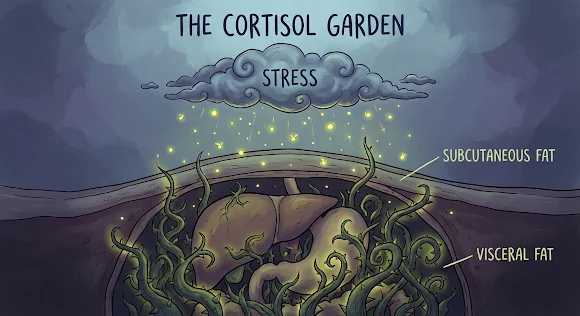
When you're chronically stressed, your body releases the hormone cortisol [3][6][18] . Visceral fat tissue has a high concentration of receptors for cortisol, making it a prime target for its fat-storing messages [2][3][6][9][10][22] . Chronically high cortisol drives insulin resistance and increases appetite for high-calorie foods, creating a vicious cycle of stress and visceral fat accumulation [2][3][7][24][27] .
Unavoidable Factors and Hormonal Shifts
Genetics: Your genes can play a role in where your body tends to store fat [42][16] .
Aging and Hormonal Shifts: As we age, metabolic and hormonal changes make it easier to gain visceral fat [16] .
The Menopausal Shift in Women
For many women, the drop in estrogen during menopause causes a dramatic redistribution of fat from the hips and thighs to the abdomen [1][45][46][49][38][30] . This shift is driven by a new hormonal ratio that favors an "apple-shaped" fat distribution [7][9][10][33] . Furthermore, in postmenopausal women, adipose tissue becomes a primary site of estrogen production via the enzyme aromatase, which can fuel the growth of hormone-receptor-positive breast cancers [13] .
Andropause: The Male Hormonal Shift
As men age, a gradual decline in testosterone (andropause) creates a metabolic environment ripe for visceral fat accumulation [1][2][56][24] . There is a well-established inverse relationship between testosterone levels and visceral fat [1][3][57] . This creates a vicious cycle:
Altered Fat Metabolism: Testosterone helps inhibit fat storage (lipogenesis) and promote muscle mass [2][9][10][30][33] . As levels fall, the body's preference shifts to storing fat, particularly in the visceral area [6][7][52][30][44] .
Reduced Muscle Mass: Lower testosterone contributes to age-related muscle loss (sarcopenia), which slows the resting metabolic rate and makes it easier to accumulate fat [52][58] .
Aromatization: Visceral fat contains the enzyme aromatase, which converts testosterone into estrogen [1][24][33] . More visceral fat means more aromatase activity, which further depletes testosterone and perpetuates the cycle of fat storage [1] .
The Battle Plan: Your Comprehensive Guide to Reducing Toxic Visceral Fat
The good news is that visceral fat is highly responsive to lifestyle changes [7][8][26] . While you can't "spot-reduce" fat, you can implement a systemic approach that will effectively burn this dangerous internal fat [17][40][44] .
Phase 1: Nutritional Overhaul
What you eat is the single most powerful lever you can pull .
Focus on Whole Foods: Build your diet around vegetables, fruits, lean proteins, and healthy fats [8] . Ditch processed foods and sugary drinks [8][26] .
Power Up with Protein: Protein keeps you feeling full, reduces overall calorie intake, and boosts your metabolism [19][17] .
Embrace Healthy Fats: Monounsaturated and polyunsaturated fats (avocados, nuts, olive oil) can improve insulin sensitivity and reduce inflammation .
Hydrate: Water is essential for metabolism and can help you feel full .
Fat-Fighting Foods vs. Fat-Storing Foods
The Power of Soluble Fiber: Your Secret Weapon
Soluble fiber is a superstar for fighting visceral fat [8] . One study found that for every 10-gram increase in daily soluble fiber intake, participants reduced visceral fat by 3.7% over five years [59][8][60][19] . It works by slowing digestion, increasing fullness, and nurturing a healthy gut microbiome that produces beneficial short-chain fatty acids (SCFAs) [42][26][23][24][58][53][31][35][36][37] . These SCFAs can improve insulin sensitivity and increase the rate of fat burning [30][33][55][39] .
Phase 2: Move Your Body with Precision
Exercise is a critical partner to diet in combating visceral fat [12][57] .
High-Intensity Interval Training (HIIT)
HIIT involves short bursts of intense effort alternated with recovery periods [1][4][30] . This triggers a significant release of catecholamine hormones (adrenaline) [5][11][13] . Visceral fat is uniquely sensitive to these hormones, which bind to its cells and activate lipolysis—the breakdown of stored fat to be used as fuel [11][14][33] .
Strength Training
Strength training builds metabolically active muscle, which acts as a "glucose sink" [8][49] . More muscle improves your whole-body insulin sensitivity, meaning your body needs less insulin to clear sugar from your blood [49][53] . This reduces the hormonal signal to store excess glucose as visceral fat [22][23][56] . It also boosts your resting metabolism, helping you burn more calories 24/7 [26][40][45][46] .
Phase 3: Lifestyle and Mindset Reset
Your daily habits and mental state play a huge role in your hormonal balance .
Master Your Stress: Find healthy ways to manage stress to lower cortisol levels, such as mindfulness, meditation, or spending time in nature [8] .
Prioritize Sleep: Rebalancing Your Fat-Regulating Hormones: Consistently sleeping fewer than seven hours a night is a physiological stressor that directly promotes visceral fat accumulation [4][5][11][60][34] . Even in young, healthy individuals, inadequate sleep can cause a significant increase in visceral fat that may not be reversed by "catch-up" sleep [4][14][15] . The mechanisms include:
Disruption of Appetite Hormones: Sleep deprivation increases ghrelin (the "hunger hormone") and decreases leptin (the "satiety hormone") [5][11][42][58][40][45] . This leads to increased hunger and cravings for high-calorie foods [4][42][58][60][46] .
Elevated Cortisol: Lack of sleep increases the stress hormone cortisol, which is known to promote fat deposition in the visceral area [5][11][59][58][45] .
Impaired Insulin Sensitivity: Sleep deprivation reduces the body's sensitivity to insulin, leading to higher blood sugar and increased fat storage [5][42][59][19] .
Direct Redirection of Fat: Research suggests inadequate sleep may directly influence where the body stores fat, preferentially shifting it to the more dangerous visceral compartment [4][15][53][49] .
Rethink Your Drink: Significantly reduce or eliminate alcohol and sugary beverages [2][26] .
What Doesn't Work: The Myth of Surgical Solutions
It's crucial to understand that cosmetic procedures like liposuction are a superficial solution to a much deeper problem [33] . Liposuction is designed to remove subcutaneous fat and is entirely ineffective and unsafe for removing visceral fat [5][14][25][27][12][33] . Attempting to reach the deep-seated fat around your vital organs with a liposuction cannula would be incredibly dangerous [42][33] . Therefore, liposuction does absolutely nothing to reduce the real health threats posed by visceral fat [59][33][34] .
Your Journey to a Healthier Core: Motivation and Long-Term Success
Losing stubborn belly fat is a marathon, not a sprint, requiring patience and consistency .
Celebrate Non-Scale Victories: Pay attention to how your clothes fit, your increased energy, and your improved mood . These are the true signs of progress.
Consistency Over Perfection: Build small, sustainable habits . If you have an off day, just get back on track.
Find Your "Why": Connect your goal to a deeper motivation, like having more energy for your family or reducing your risk of disease .
Seek Support: Talk to your doctor, a registered dietitian, or a certified personal trainer to create a plan that's right for you [18] .
Conclusion: Take Back Control from the Inside Out
The fat you can't see is a far greater threat than the fat you can [6][7] . Visceral fat is an active, toxic substance that silently undermines your health, increasing your risk for diabetes, heart disease, cancer, and dementia [2][15][30] .
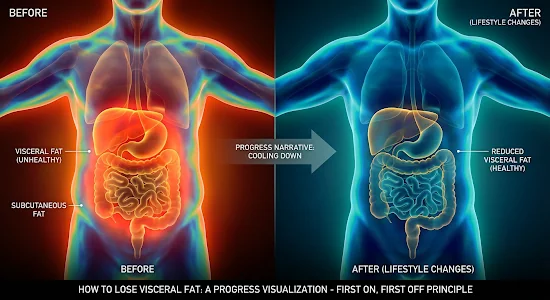
But this is not a message of fear; it is a message of empowerment [7] . You have the knowledge and the tools to fight back [8] . You now understand how diet, stress, poor sleep, and hormonal shifts like menopause and andropause directly fuel the growth of this dangerous fat [24][45][56][38][60] . You also know that specific strategies like increasing soluble fiber and engaging in HIIT and strength training are powerful weapons that target the very pathways that build visceral fat [59][57][19] . Surgical shortcuts are a myth for solving this internal problem [33][34] .
Each small, positive choice is an investment in a longer, healthier, and more vibrant life. This journey is an act of profound self-care that allows you to reclaim your health from the inside out.
Frequently Asked Questions (FAQ)
Q: Can stress really give me a belly?
A: Yes. "Cortisol belly" is real. When you are stressed, high cortisol levels specifically target the visceral area to store fat for quick energy. Managing stress is just as important as diet.
Q: Is liposuction a solution for visceral fat?
A: No. Liposuction occurs under the skin (subcutaneous). It cannot safely reach the visceral fat deep around your organs. Surgery improves appearance but won't fix the metabolic risk.
Q: How long does it take to see results?
A: Because visceral fat is so metabolically active, it is the first to go. You may lose inches off your waist and feel your pants loosen before the scale drops significantly.
Further Reading & Resources
From Our Blog:
[Health] Reversing Pre-Diabetes Naturally – Visceral fat causes insulin resistance; learn how to reverse it.
[Health] The Science of Autophagy: How Intermittent Fasting Heals Your Body – Fasting is one of the most effective ways to target visceral fat.
Trusted External Resources:
Disclaimer
Disclaimer: This article is for informational purposes only and does not constitute medical advice. Please consult with a qualified healthcare professional or a registered dietitian before making drastic changes to your diet or exercise routine.
This scientific analysis has been vetted by the Sciory Editorial for methodological rigor, clinical citation validity, and evidentiary precision. Articles are updated periodically as new empirical trial data and clinical findings are published.